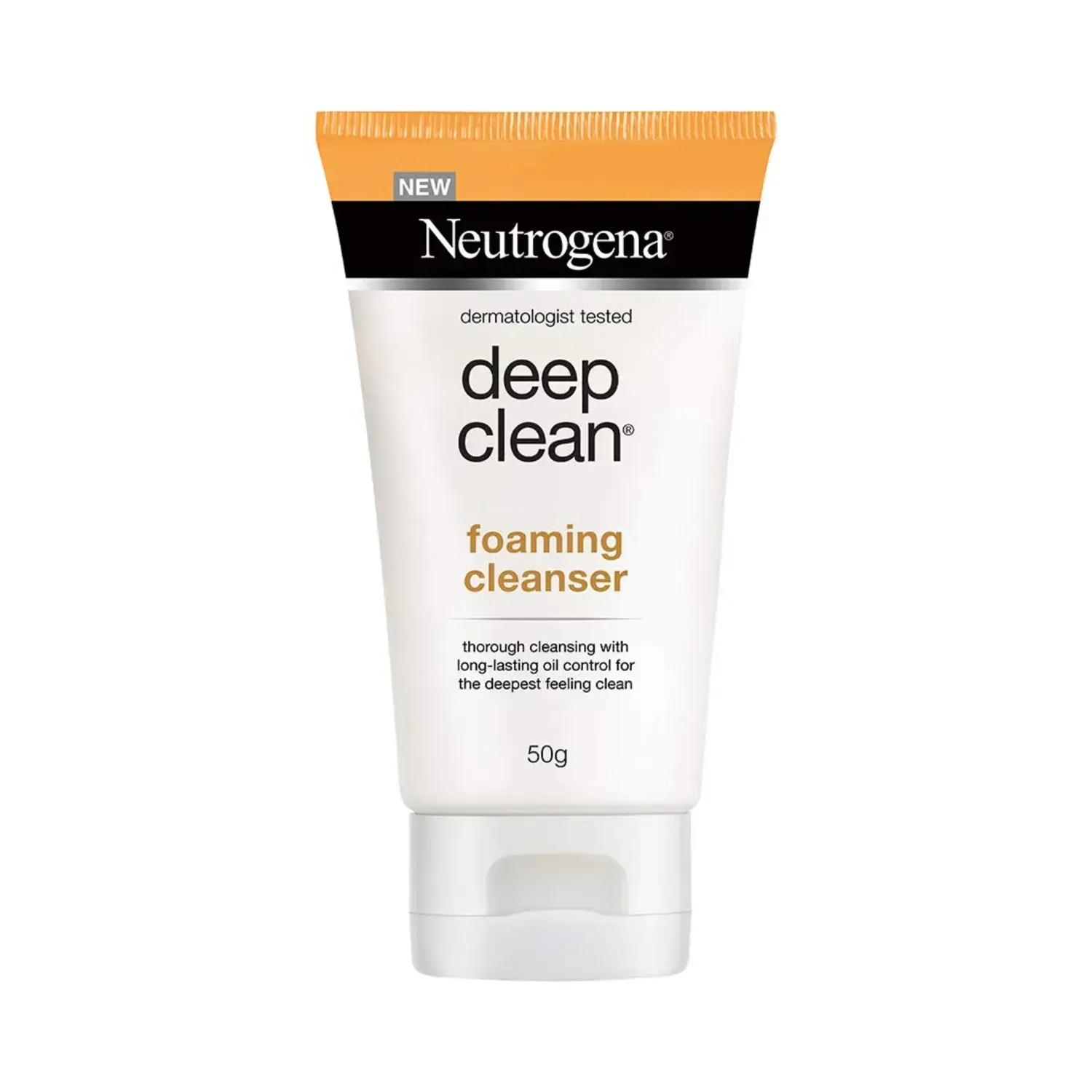
MRP : 185
Glycerin, a natural humectant found in plants, animals, and humans, is a colorless, odorless, and sweet-tasting liquid derived from fats and oils. It attracts and retains moisture from the air, making it an excellent ingredient for hydrating and moisturizing the skin. Glycerin also helps create a barrier on the skin, preventing moisture loss, and reduces the appearance of fine lines and wrinkles. Know All Details...
This article reviews the formulations and the mode of action of hair cosmetics: Shampoos, conditioners, hair straightening products, hair dyes and henna; regarding their prescription and safetiness. Know All Details...
Myristic acid, also known as Tetradecanonic acid, is a naturally occurring long-chain saturated fatty acid. It is commonly used in skincare products as an emulsifier, surfactant, and cleansing agent. It can also thicken emulsions, increasing their viscosity. Additionally, it can be used as an opacifying agent to produce uniform texture and color in formulations. Myristic acid is obtained from palm kernel oil, nutmeg butter, coconut oil, bovine milk, and breast milk. Know All Details...
Propylene glycol is a synthetic ingredient commonly used in skincare products as a humectant, solvent, emollient, and preservative. It attracts water, boosts other ingredients, lightly moisturizes, addresses visible signs of aging, enhances penetration, prevents water loss, and is safe for acne-prone skin. However, it can cause allergic reactions and irritation in some individuals. It is a penetration-enhancing humectant, which means that it can allow harmful toxins to permeate the skin. Propylene glycol is also used in food, cosmetics, and pharmaceutical products, and as a base for deicing solutions. Know All Details...
Potassium Hydroxide, also known as lye, is an organic compound used in small amounts in cosmetics to adjust pH levels. It is also used as a cleansing agent, primarily in pure soaps or soap hybrid products. Potassium Hydroxide helps to control and establish the pH of cosmetic products, maintaining the skin's natural acidic mantle. It is also used in the saponification of oils to create soaps and detergents. Know All Details...
Lauric acid, a fatty acid found in coconut oil, palm oil, and milk, is used in skincare for its antibacterial, anti-inflammatory, and moisturizing properties. It is beneficial for treating skin conditions like psoriasis, acne, and xerosis cutis. It also has anti-aging effects and can help reduce fine lines and wrinkles. Know All Details...
Cocamidopropyl hydroxysultaine is a mild cleansing agent derived from coconut oil. It is commonly used in skincare and hair care products as a foaming agent, thickener, and stabilizer. It is generally considered safe for use, but it may cause eye irritation if it comes into direct contact with eyes. Know All Details...
I am sorry, but the context does not contain any information related to skincare ingredients. Therefore, I am unable to add more details to the given summary. Know All Details...
Palmitic acid is a fatty acid found in palm oil and other plant and vegetable sources. It is used in soaps, detergents, cosmetics, and food products. Palmitic acid is also used as a texturing agent for foods, a waxy cover for fruits and vegetables, and a source of anionic and nonionic surfactants and esters. Palmitic acid has been linked to several health conditions, including brain diseases and cancer. It can also cause digestive issues, primarily in the upper gastrointestinal tract. Palmitic acid has the potential to be drying when used in cleansers, depending on the other ingredients it’s combined with and the cleanser’s pH level. Know All Details...
Stearic acid is a waxy, colorless or white solid with a mild odor. It is derived from both animal and vegetable sources, with palm oil being a common plant-based source. Stearic acid is a long-chain fatty acid with 18 carbon atoms, also known as Octadecanoic Acid. It is commonly used in cosmetics, food, and pharmaceutical industries for its stability, thickening, and emulsifying properties. Know All Details...
Phenoxyethanol is a synthetic preservative used in cosmetic products to prevent bacterial growth. It is also used as a stabilizer in perfumes and soaps. It is found in various cosmetic products like moisturizers, eye shadows, foundations, sunscreens, conditioners, mascaras, eye liners, shampoos, lip glosses, concealers, body washes, hand creams, blushes, hair colors, hair sprays, lip balms, lotions, nail polishes, baby wipes, baby lotions and soaps, soaps, shaving creams, deodorants, toothpastes, fragrances, hair removal waxes, hand sanitizers, ultrasound gels, and vaccines. Phenoxyethanol is an oily, sticky substance with a pleasant odor often compared to roses. It helps to prevent fungi, bacteria, and yeast from growing in your products, giving them a longer shelf life and ensuring safety. Know All Details...
Beeswax, also known as Cera Alba, is a natural wax produced by honey bees. It is commonly used in skincare and haircare products due to its moisturizing, soothing, and protective properties. Beeswax helps retain the skin's natural moisture, protects against environmental stressors, and has antibacterial effects that aid in healing minor skin irritations. It is a versatile substance with a long history of use in various industries, including cosmetics, pharmaceuticals, and food. Know All Details...
Bergamot essential oil is extracted from the fruit of the Bergamot tree, which belongs to the Rutaceae family. It is known for its refreshing and stimulating scent, and it has been used for centuries in aromatherapy and skincare products. Bergamot oil has antibacterial and anti-inflammatory properties, making it beneficial for acne-prone skin. It also helps to reduce excess sebum production and tighten pores. Additionally, bergamot oil is believed to have mood-boosting and stress-relieving effects. Know All Details...
Ethylhexylglycerin is a natural, biodegradable preservative derived from coconut or plant-based sources like soybean or palm. It is used in skincare and cosmetics as a humectant, emollient, surfactant, and preservative. It is considered safe for use on all skin types except those with an identified allergy to it and is often recommended by dermatologists. It helps keep skin moisturized and hydrated, softens and smooths skin, has antimicrobial properties that help prevent the growth of bacteria and germs, and helps prevent products from spoiling. Know All Details...
O-Cymen-5-Ol is an antifungal preservative used in cosmetics and beauty products to prevent harmful bacteria from developing and to prolong the shelf-life of formulas. It is part of the Isopropyl Cresols family and is originally developed synthetically in the form of a crystal. O-Cymen-5-Ol has been found to be neurotoxic in animals, and has led to heavier restrictions on its use in cosmetics in some countries. Know All Details...
Magnesium Aspartate is a mineral supplement used in cosmetic and beauty products to aid in the transportation and delivery of minerals to skin cells. It acts as a skin conditioning agent, binder, and chelating agent. It is also used to prevent and treat low amounts of magnesium in the blood. It is a magnesium salt of amino acid aspartic acid that plays a role in maintaining proteins in skin. In cosmetics, magnesium aspartate acts as a hydrating and softening ingredient. Know All Details...
Zinc gluconate is a zinc salt with antibacterial, sebum-regulating, and wound healing properties. It is effective against inflammatory acne and can be used as a supplement or applied topically to the skin. Zinc gluconate is suitable for acne-prone and healing skin types. It is also used in skin care products due to its skin-conditioning properties. Zinc gluconate is generally recognized as safe (GRAS) by FDA and is available as a trace mineral supplement and over the counter as a lozenge form for a reduced duration of common colds and with decreased symptom severity. Know All Details...
Copper Gluconate is a copper salt of gluconic acid. It promotes cellular regeneration, wound healing, and is involved in several enzyme systems. Copper Gluconate is a cofactor for the antioxidant enzyme, superoxide dismutase, and the melanin stimulating enzyme, tyrosinase. It has some tan activating properties, but it is not recommended to use it for tanning due to the harmful effects of UV rays on the skin. Copper Gluconate also helps in collagen production and has antioxidant and biocide properties. However, there are concerns about the use of copper gluconate for long-term use as it may lead to skin infections. Know All Details...
|
Neutrogena Deep clean gentle foaming cle…
|
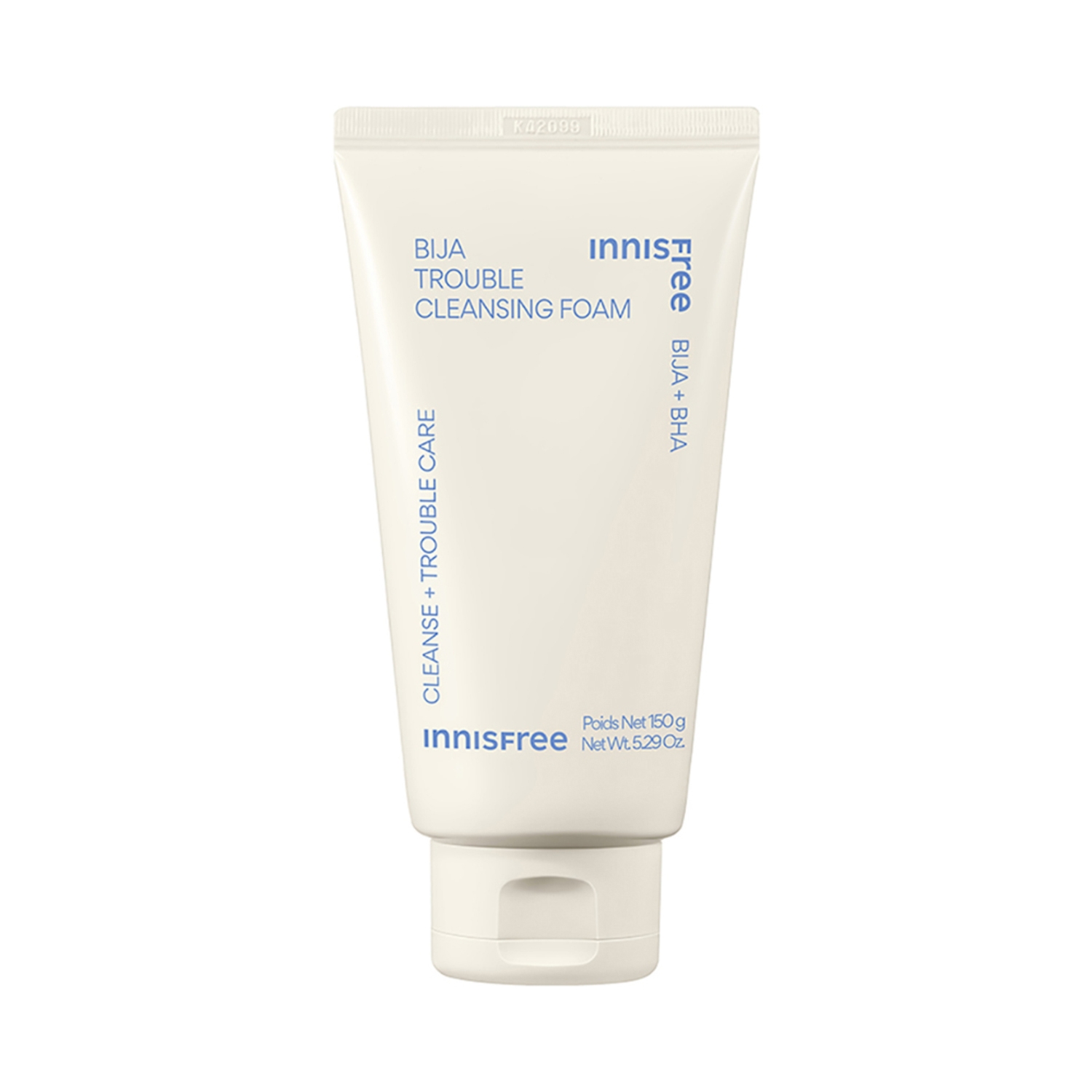
Innisfree Bija trouble cleansing f…
|
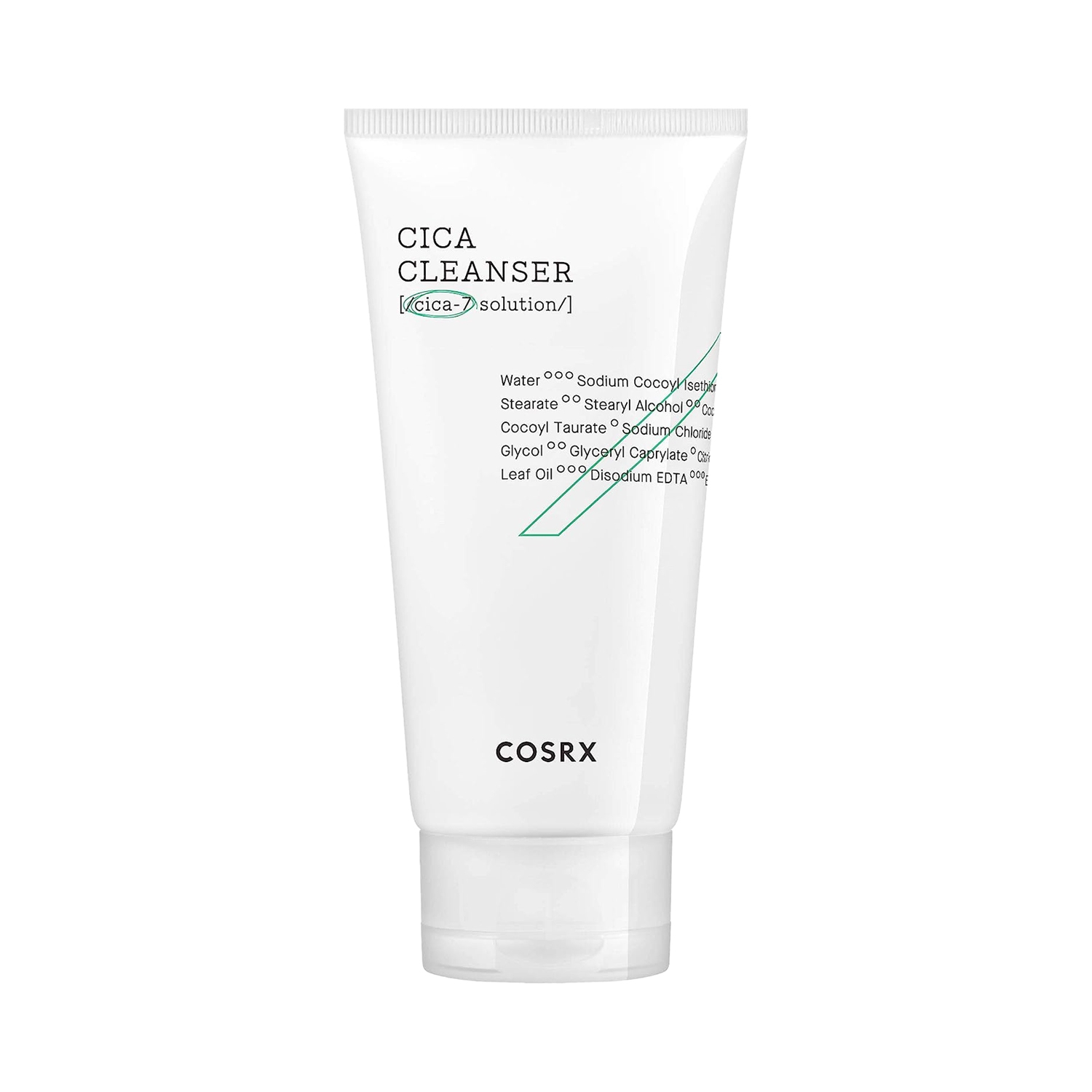
COSRX Pure fit cica cleanser (…
|
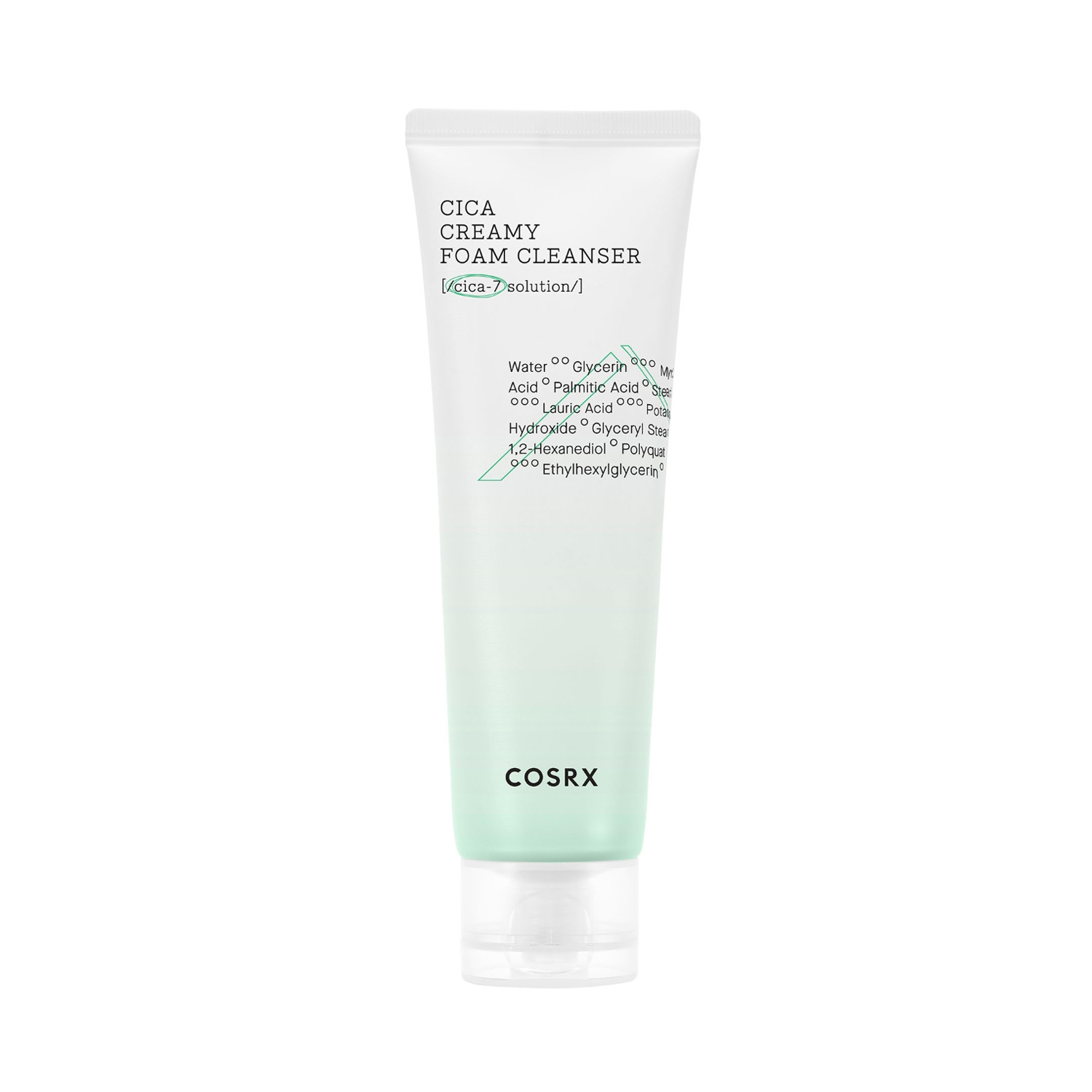
COSRX Pure fit cica creamy foa…
|
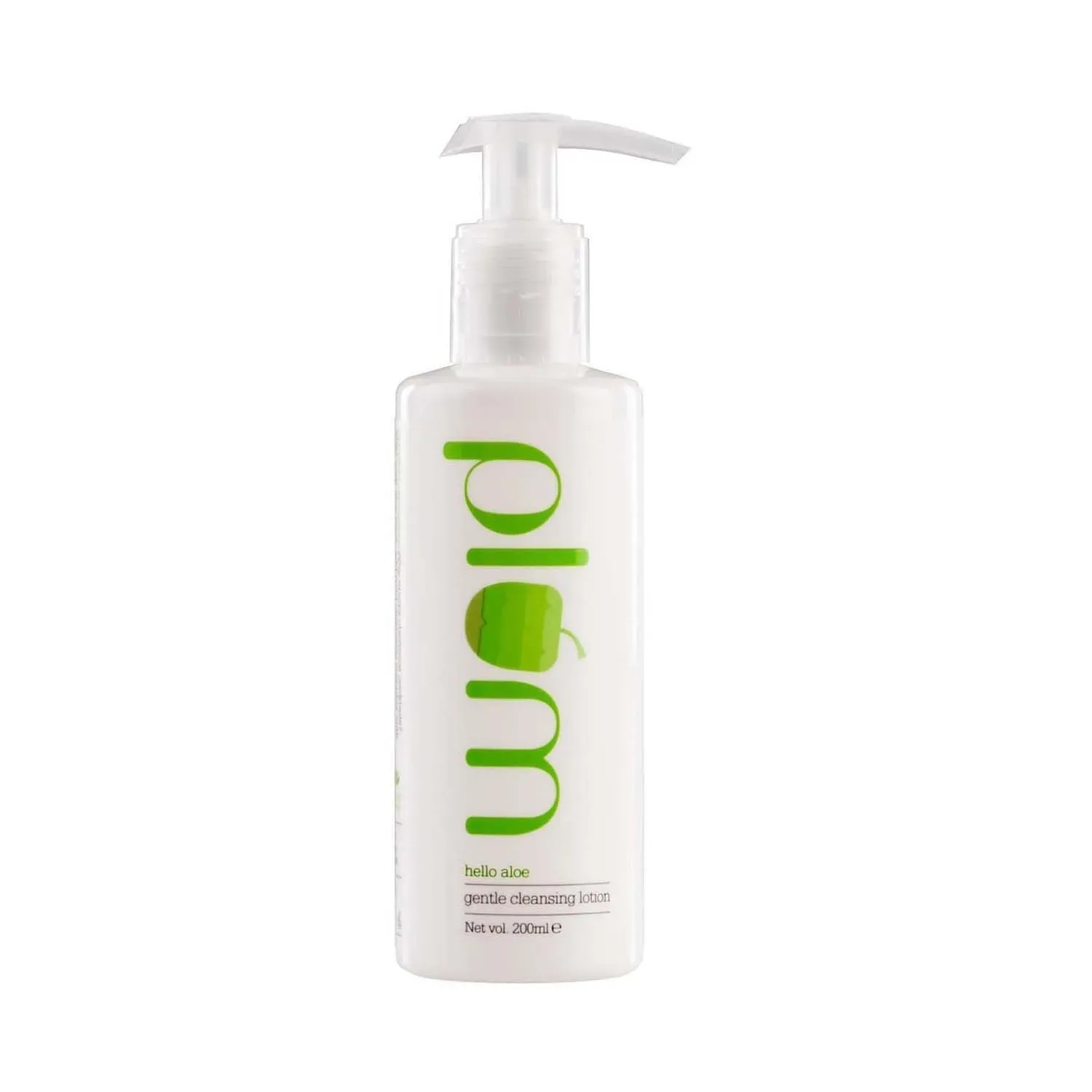
Plum Hello aloe gentle cleans…
|
|
|---|---|---|---|---|---|
| Price | 185 | 750 | 1050 | 1050 | 390 |
| Ingredients Count | 18 | 33 | 39 | 39 | 13 |
| Skintype | All skin types | All skin types | Normal | Oily | Combination |
| Formulation | Foam | Foam | Cleansing Milk | Foam | Lotion |
 skinethix
 skinethix
 skinethix
 skinethix