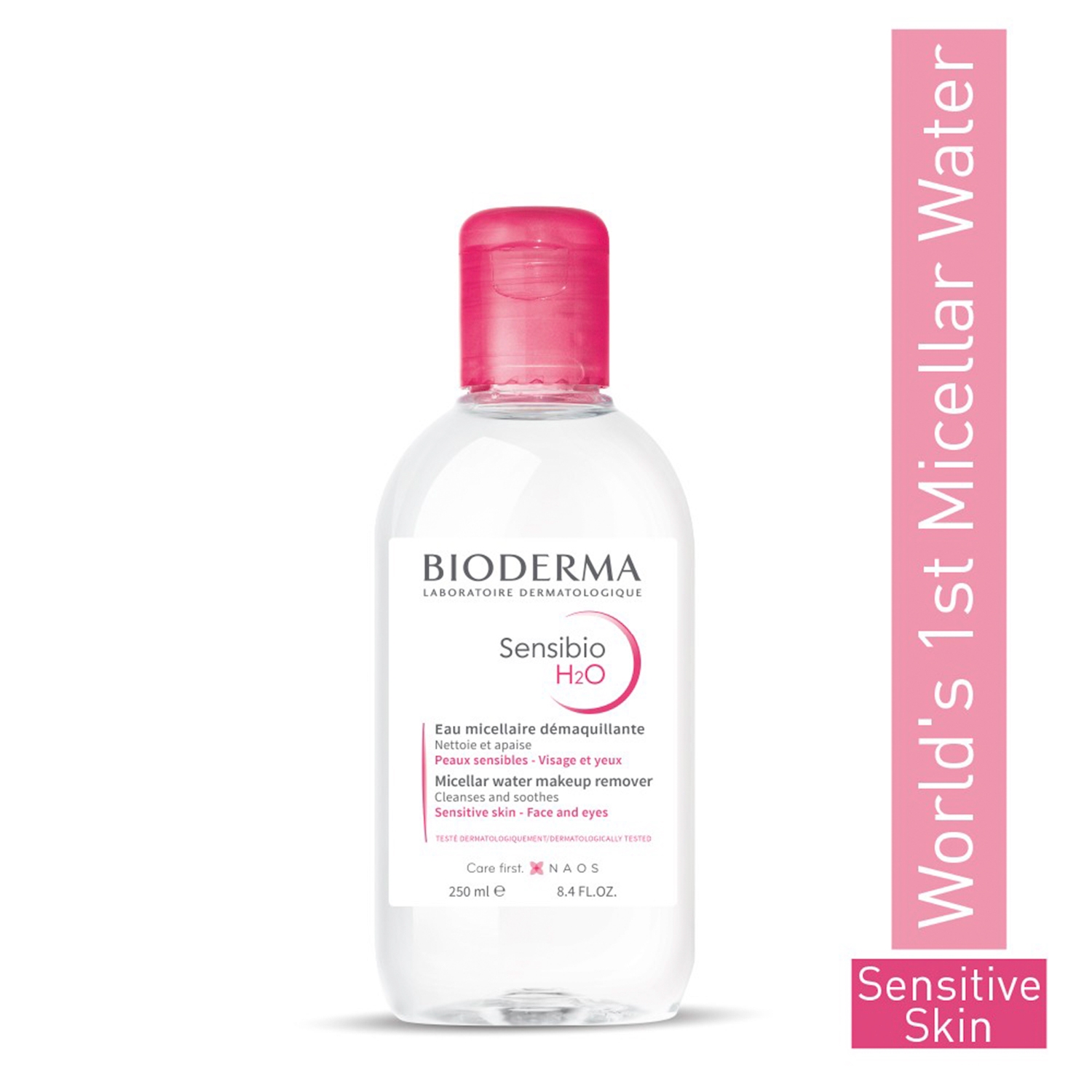
MRP : 599
This article reviews the formulations and the mode of action of hair cosmetics: Shampoos, conditioners, hair straightening products, hair dyes and henna; regarding their prescription and safetiness. Know All Details...
PEG-6 Caprylic/Capric Glycerides is a water-soluble emollient derived from coconut fatty acids. It is used as an emollient and emulsifying agent in micellar waters or very gentle cleansers where it can gently break down and remove sebum. It offers a moisturizing effect due to its refatting properties, along with good foam quality and a silky after-feel. It is also used as a solubilizer, emulsifying agent, skin conditioning agent, and rheological agent. Know All Details...
Fructooligosaccharides (FOS) are a type of oligosaccharides and carbohydrates used in skincare for their moisturizing, prebiotic, and potential antioxidant properties. They are composed of short chains of 3-10 fructose units. FOS helps promote skin's moisture retention, nourishes and supports a healthy skin microbiome, and has potential antioxidant activity. Know All Details...
Mannitol, a sugar alcohol, is commonly used in food, pharmaceutical, and cosmetic applications. In cosmetics, it serves as a humectant and is incorporated into skin hydration formulations and skincare preparations. Know All Details...
Niacinamide is a form of vitamin B3 that is commonly used in skincare products. It is known for its ability to improve skin texture, reduce the appearance of fine lines and wrinkles, and brighten the skin. Niacinamide is also helpful in reducing the appearance of hyperpigmentation and acne. Know All Details...
Rhamnose, a sugar derived from plants like Buckthorn, poison sumac, and birch trees, is used in skincare as an emulsifier, improving the texture and consistency of cosmetic products. Rhamnolipids, formed by combining rhamnose with hydroxyl fatty acids, act as surfactants, reducing surface tension and allowing ingredients with different solubility to blend better. Rhamnose has also been patented for its potential anti-aging and anti-wrinkle properties. Additionally, it exhibits skin-soothing benefits, boosts skin hydration, and inhibits advanced glycation end products (AGEs), which degrade skin's firm look. Teflose®, a polysaccharide obtained by bacterial fermentation, contains 60% rhamnose and has high anti-inflammatory and soothing power. Know All Details...
Cucumis Sativus, also known as cucumber, is a botanical ingredient with anti-inflammatory, antioxidant, and skin-conditioning properties. It is known for its soothing and emollient properties. It contains amino acids, organic acids, and fragrant components that are not sensitizing to the skin. Additionally, it has an enzyme called shikimate dehydrigenase that exhibits anti-inflammatory properties. Cucumber extract is rich in vitamins C, E, and K, antioxidant caffeic acid, fatty acids, amino acids, and polysaccharides. Know All Details...
Propylene glycol is a synthetic ingredient commonly used in skincare products as a humectant, solvent, emollient, and preservative. It attracts water, boosts other ingredients, lightly moisturizes, addresses visible signs of aging, enhances penetration, prevents water loss, and is safe for acne-prone skin. However, it can cause allergic reactions and irritation in some individuals. It is a penetration-enhancing humectant, which means that it can allow harmful toxins to permeate the skin. Propylene glycol is also used in food, cosmetics, and pharmaceutical products, and as a base for deicing solutions. Know All Details...
Cetrimonium Bromide is an organic salt used as a surfactant in cosmetics and personal care products. It helps water mix with oil and dirt so they will more easily rinse from skin. In hair care products, it also works as an antistatic agent. It has various benefits for the skin, including cleansing, conditioning, antistatic, antimicrobial, emulsifying, and preservative properties. However, it also has some potential side effects and concerns, such as skin irritation and allergies. Know All Details...
Disodium EDTA is a chelating agent used in cosmetics to enhance stability and aid preservatives. It is safe for use in cosmetics up to 0.85% concentration in leave-on products. It can also enhance skin absorption of other ingredients. However, it is recommended to avoid products containing Disodium EDTA as it is a 'penetration enhancer', which means it disrupts the surface of skin cells and allows other chemicals to get in more easily. Know All Details...
|
Bioderma Sensibio h2o daily soothing c…
|
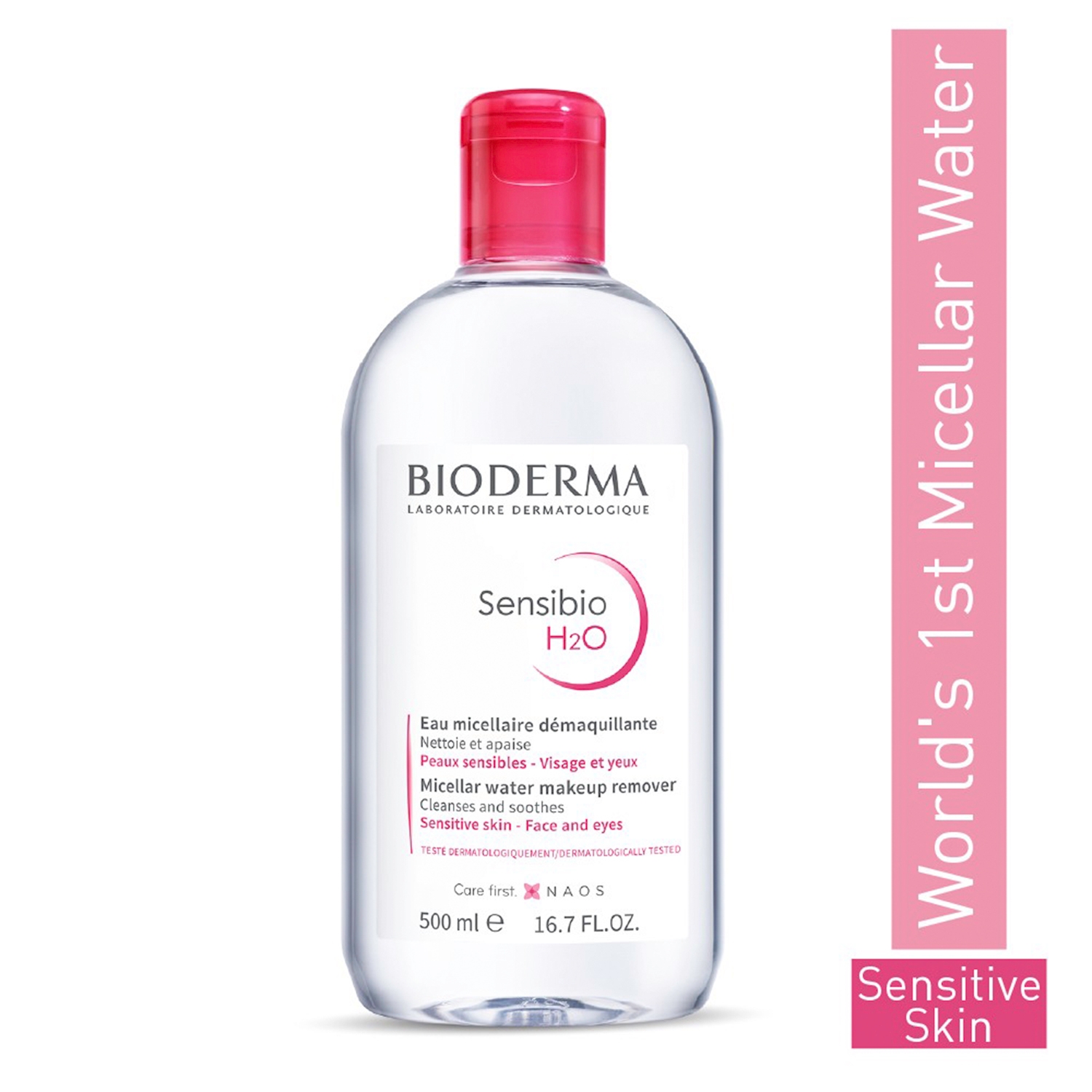
Bioderma Sensibio h2o daily sooth…
|
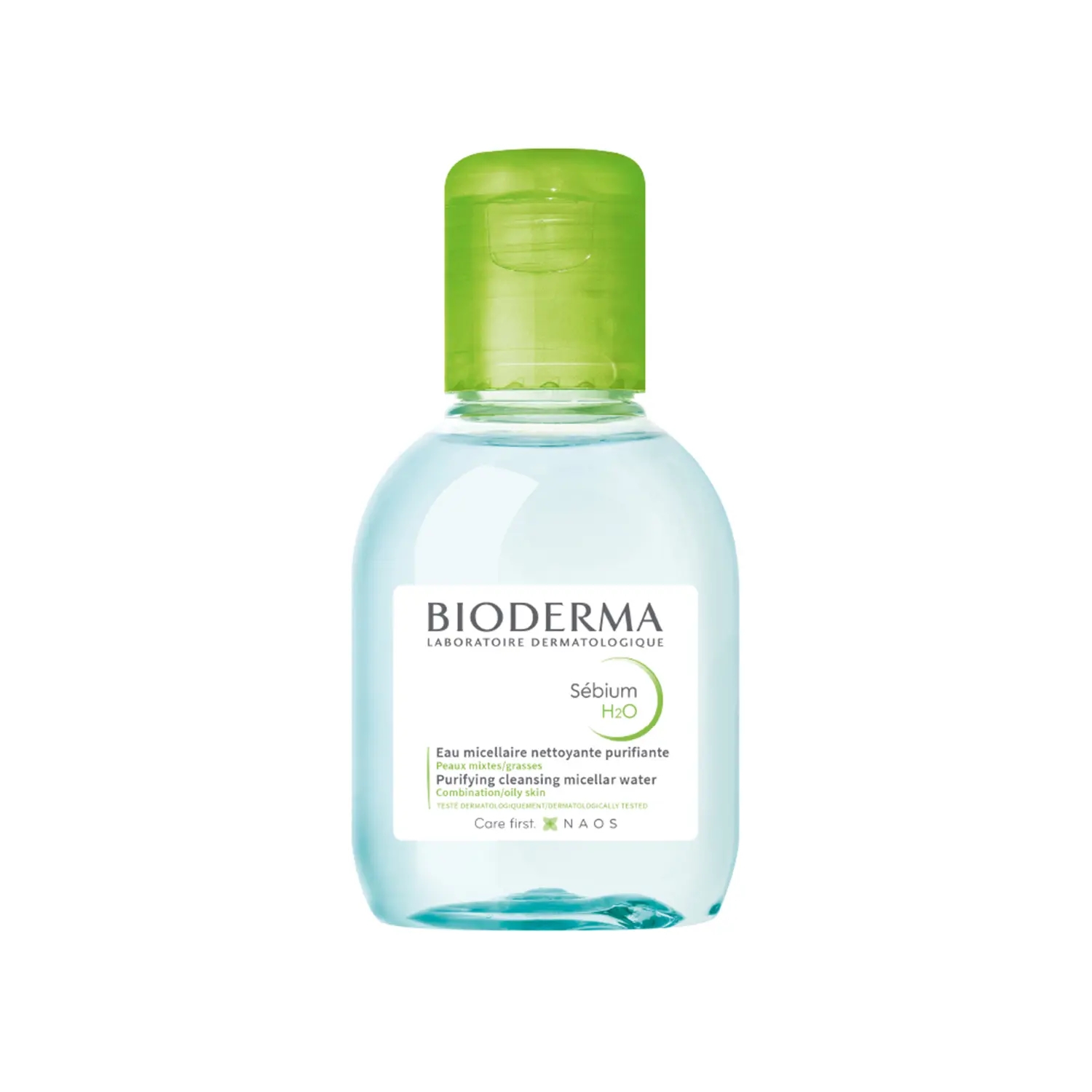
Bioderma Sebium h2o purifying mic…
|
|
|---|---|---|---|
| Price | 599 | 1150 | 499 |
| Ingredients Count | 10 | 10 | 15 |
| Skintype | Sensitive | Sensitive | Oily |
| Formulation | Liquid | Liquid | Liquid |
 skinethix
 skinethix
 skinethix
 skinethix