MRP : 3500
Citral, a natural component found in lemongrass, lemon myrtle, lemon, and orange oils, is commonly used in cosmetics and personal care products for its fragrance and flavoring properties. It functions as a fragrance ingredient and a flavoring agent. While generally considered safe, potential sensitization concerns have led to restrictions on its use in fragrances. Citral possesses antimicrobial, anti-inflammatory, and antioxidant properties, making it beneficial for skincare. Know All Details...
This article reviews the formulations and the mode of action of hair cosmetics: Shampoos, conditioners, hair straightening products, hair dyes and henna; regarding their prescription and safetiness. Know All Details...
Glycerin, a natural humectant found in plants, animals, and humans, is a colorless, odorless, and sweet-tasting liquid derived from fats and oils. It attracts and retains moisture from the air, making it an excellent ingredient for hydrating and moisturizing the skin. Glycerin also helps create a barrier on the skin, preventing moisture loss, and reduces the appearance of fine lines and wrinkles. Know All Details...
Propanediol is a natural and safer alternative to propylene glycol, a multi-tasking cosmetic ingredient that offers a range of skin benefits. It acts as a humectant, solvent, and emollient, providing moisture, softening the skin, and aiding in deep cleansing. Propanediol is suitable for all skin types, especially acne-prone and sensitive skin. It is derived from corn sugar and is generally safe for use in cosmetics. Know All Details...
Octyldodecanol is a low polarity liquid fatty alcohol that is an emollient, moisturizer, and solvent. It is very versatile and can be used like liquid carrier oils in many applications. Octyldodecanol is popular in color cosmetics as it improves pigment dispersion. It is non-volatile and very different from alcohols like isopropyl (rubbing) alcohol and ethanol. It is more like carrier oils than ethanol. Know All Details...
Information Unavailable at the moment Know All Details...
Helianthus Annuus Seed Oil, also known as sunflower seed oil, is a non-volatile, non-fragrant plant oil extracted from sunflower seeds. It is commonly used as an emollient in cosmetics due to its ability to replenish, strengthen, and soothe the skin. It is rich in linoleic acid, an essential fatty acid that cannot be produced by the body and must be obtained from external sources. Sunflower seed oil is also known for its calming and soothing properties, making it suitable for sensitive and compromised skin. It is non-comedogenic, meaning it does not clog pores, making it suitable for acne-prone skin. Know All Details...
Sodium hyaluronate, a derivative of hyaluronic acid, is a humectant that offers intense hydration, anti-aging, and anti-inflammatory benefits to the skin. It is suitable for all skin types and can be found in various skincare products like serums, eye creams, and facial cleansers. Sodium hyaluronate has a smaller molecular structure compared to hyaluronic acid, allowing it to penetrate deeper into the skin for intense hydration. Know All Details...
Information Unavailable at the moment Know All Details...
Sodium Polyacrylate Starch is a mixture of natural starch and synthetic acrylate polymer. It is used in skincare products as a texture enhancer, thickening agent, stabilizer, and absorbent. It is considered safe for use in cosmetics and personal care products. It is derived from natural starch and synthetic acrylate polymer. Know All Details...
Xylitylglucoside, a component of AQUAXYL, is a highly effective and hydrating skin ingredient derived from two water-binding plant sugars, xylitol and glucose. It optimizes water reserves by increasing natural moisturizing factors (NMF) and limits water loss by improving the skin's protective barrier. It is suitable for all skin types, especially those with dehydrated and dry skin. Xylitylglucoside is also known to enhance the production of hyaluronic acid in the skin's uppermost layer, the stratum corneum, which helps to plump up the skin and reduce the appearance of fine lines and wrinkles. It also helps to soothe irritated skin and enhance the absorption of active ingredients in skincare products. Know All Details...
Anhydroxylitol, also known as Aquaxyl, is a sugar-derived moisturizer that helps to keep the skin hydrated and prevent dehydration. It is part of a trio of tack-free sugar-based hydrators, along with xylitylglucoside and xylitol, which work together to optimize the skin's water reserves and provide instant plumping. Anhydroxylitol is a dehydrated derivative of xylitol, a sugar found on cellulose of wood, sugar cane, corn cobs and certain hulls of seed. It is also known to reduce water loss (TEWL) and provide dry skin relief. Aquaxyl acts as a moisturizing and restructuring agent. It reduces the trans-epidermal moisture loss and strengthens the barrier function. Increases the water reserves, including hyaluronic acid synthesis. It restores hair moisture at the heart of the cuticle. AQUAXYL™ optimizes the sensory profile of foaming formulas and improves their tolerance. Is preservative-free and used in skincare, rinse and non-rinse hair products. It is ECOCERT and Natrue compliant. Know All Details...
Caprylyl glycol is a humectant derived from caprylic acid, found in coconut, palm oil, and cow's milk. It attracts and retains water in the skin, acting as a natural moisturizer and preservative. It also has antimicrobial properties and can help reduce signs of aging by keeping the skin hydrated. Know All Details...
Ethylhexylglycerin is a natural, biodegradable preservative derived from coconut or plant-based sources like soybean or palm. It is used in skincare and cosmetics as a humectant, emollient, surfactant, and preservative. It is considered safe for use on all skin types except those with an identified allergy to it and is often recommended by dermatologists. It helps keep skin moisturized and hydrated, softens and smooths skin, has antimicrobial properties that help prevent the growth of bacteria and germs, and helps prevent products from spoiling. Know All Details...
Niacinamide is a form of vitamin B3 that is commonly used in skincare products. It is known for its ability to improve skin texture, reduce the appearance of fine lines and wrinkles, and brighten the skin. Niacinamide is also helpful in reducing the appearance of hyperpigmentation and acne. Know All Details...
Xanthan gum is a natural polysaccharide derived from the fermentation of glucose by the bacterium Xanthomonas campestris. It is commonly used as a thickener and stabilizer in skincare products. It is known for its ability to improve skin texture, reduce wrinkles, provide hydration and moisturize skin. It is also one of the only naturally-derived thickeners commonly used in skincare, making it a popular choice for those looking for natural skincare products. Xanthan gum can also help to stabilize emulsions, preventing the oil and water phases from separating. Know All Details...
Biosaccharide Gum-1 is a polysaccharide obtained from brown algae via fermentation. It is known for its film-forming, texture-enhancing, soothing, humectant, and anti-aging properties. It is considered safe for use in cosmetics and has a wide range of applications. Know All Details...
The World Health Organization (WHO) has released a new guideline on non-sugar sweeteners (NSS), which recommends against the use of NSS to control body weight or reduce the risk of noncommunicable diseases (NCDs). Results of the review also suggest that there may be potential undesirable effects from long-term use of NSS, such as an increased risk of type 2 diabetes, cardiovascular diseases, and mortality in adults. Know All Details...
Sodium benzoate is a preservative used in cosmetics, personal care products, and food to prevent the growth of microorganisms. It is effective against fungi and bacteria, but it is not a broad-spectrum preservative and should be combined with other preservatives. Sodium benzoate is generally safe for use in cosmetics, but it can cause allergic contact dermatitis in some people, especially those with sensitive skin or a history of skin allergies. It can also interact with vitamin C to produce benzene, a known carcinogen. Know All Details...
Glyceryl caprylate is a plant-based ingredient used in cosmetics for its antimicrobial, anti-acne, skin conditioning, refatting, and hydrating properties. It is palm-free and can be used in various cosmetic products like skin creams, anti-acne wipes, body lotions, body washes, deodorants, hair gels, and shampoos. It is made from portions of glycerin and coconut-derived caprylic acid. It is also used as a co-emulsifier to stabilize oil-in-water emulsions and restores the oils of the skin, regulates skin moisture, and acts as a humidifier. Know All Details...
Citric Acid is a weak acid found naturally in citrus fruits like lemons and limes. It is also used as an additive in processed foods, medicines, personal care products, and cleaning products. Citric Acid has protective antioxidant, and corrective antiaging effects helping to reverse visible signs of photodamage. It exfoliates the upper layer of dead skin cells to help clean pores, even skin tone and soften and smooth the skin. It also helps maintain the skin's pH levels. Know All Details...
Vitamin E is a fat-soluble antioxidant that protects the skin from various deleterious effects due to solar radiation by acting as a free-radical scavenger. It is found in our sebum (skin oil), which creates a natural barrier to keep moisture in your skin. It is also depleted by ultraviolet light (UV) sources like sunlight, tanning beds, and some fluorescent, halogen, and incandescent light bulbs. Vitamin E acetate is strongly linked to the EVALI outbreak. Vitamin E acetate has been found in product samples tested by FDA and state laboratories and in patient lung fluid samples tested by CDC from geographically diverse states. Know All Details...
Bergamot essential oil is extracted from the fruit of the Bergamot tree, which belongs to the Rutaceae family. It is known for its refreshing and stimulating scent, and it has been used for centuries in aromatherapy and skincare products. Bergamot oil has antibacterial and anti-inflammatory properties, making it beneficial for acne-prone skin. It also helps to reduce excess sebum production and tighten pores. Additionally, bergamot oil is believed to have mood-boosting and stress-relieving effects. Know All Details...
Information Unavailable at the moment Know All Details...
Hexyl cinnamal is a naturally occurring and synthetic fragrance ingredient used in perfumes and fragranced skincare products. It imparts a jasmine-like scent. It is associated with allergic reactions and is considered a skin sensitizer. It is derived from chamomile oil and is used as a masking ingredient in many foundations and skin creams. It is also found in cinnamon and cinnamon-related fragrances. Know All Details...
Information Unavailable at the moment Know All Details...
Geraniol, a monoterpenoid alcohol, is found in various essential oils like citronella, evening primrose, and lemon peel oil. It has a sweet rose-like scent and is used in cosmetics as a fragrance, masking, and tonic ingredient. It is also known for its antioxidant properties and ability to soothe irritated skin. Geraniol is generally recognized as safe (GRAS) by the U.S. Food and Drug Administration (FDA) and the Flavor and Extract Manufacturers Association Expert Panel. Know All Details...
Information Unavailable at the moment Know All Details...
|
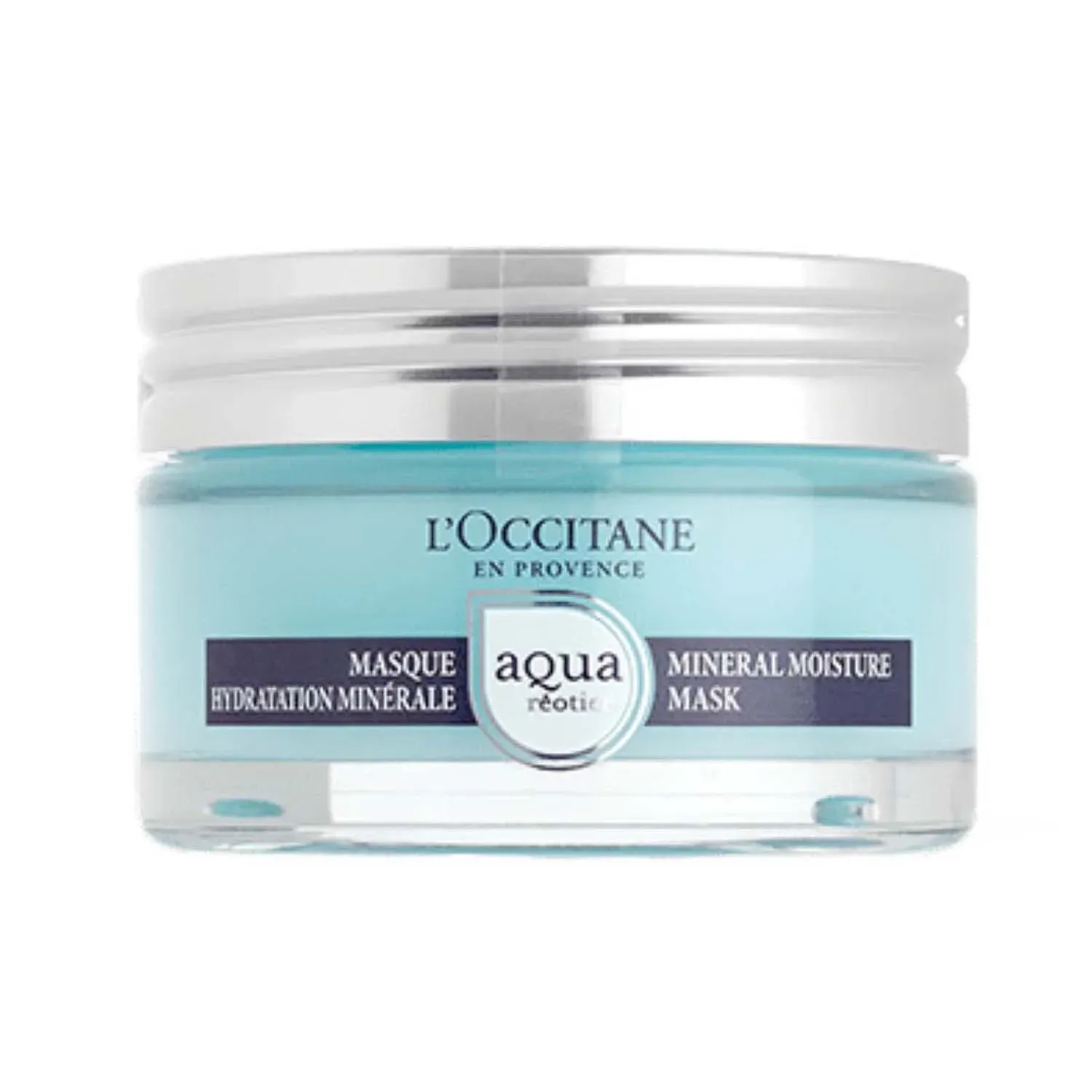
L'occitane Aqua mineral moisture masque …
|
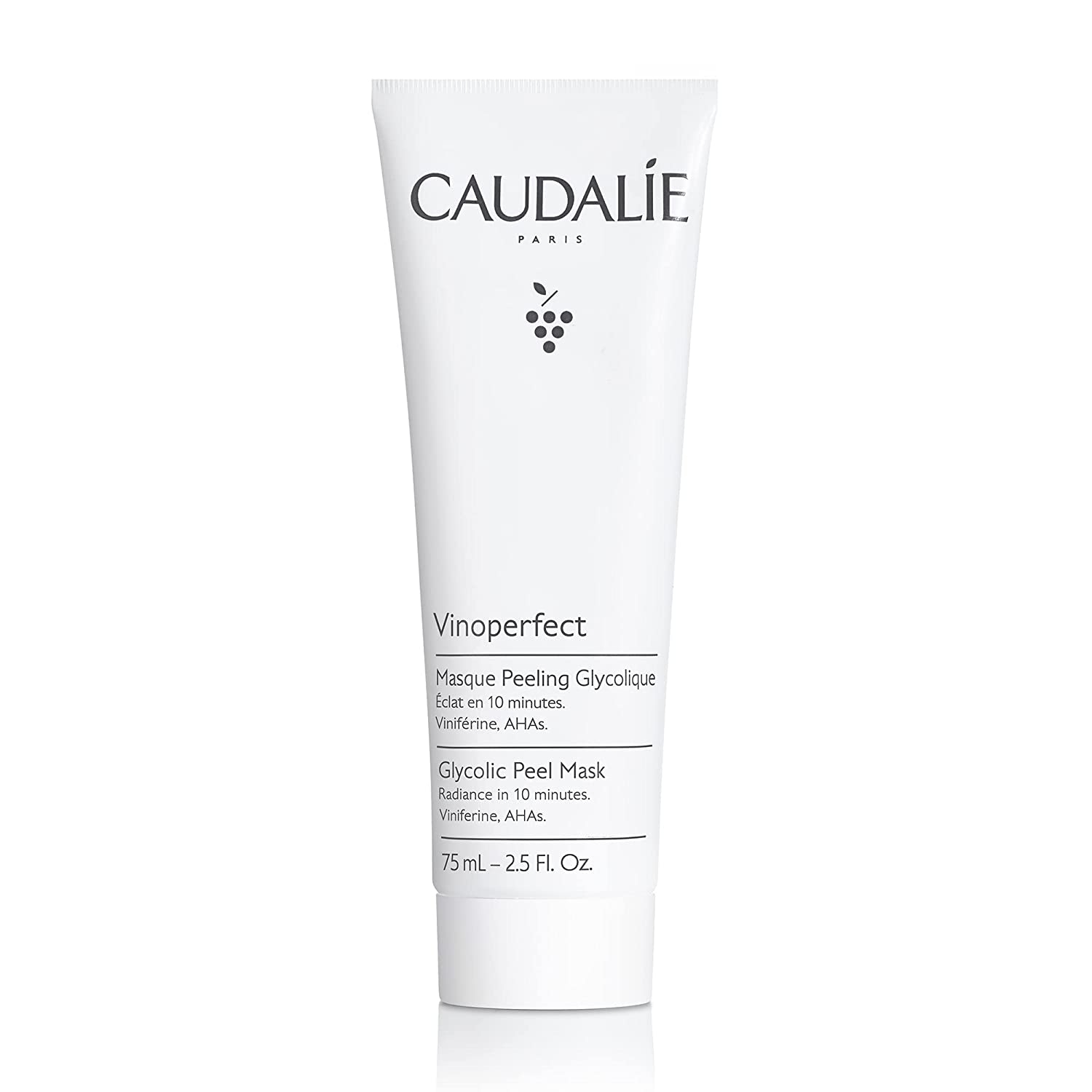
Caudalie Vinoperfect glycolic pee…
|
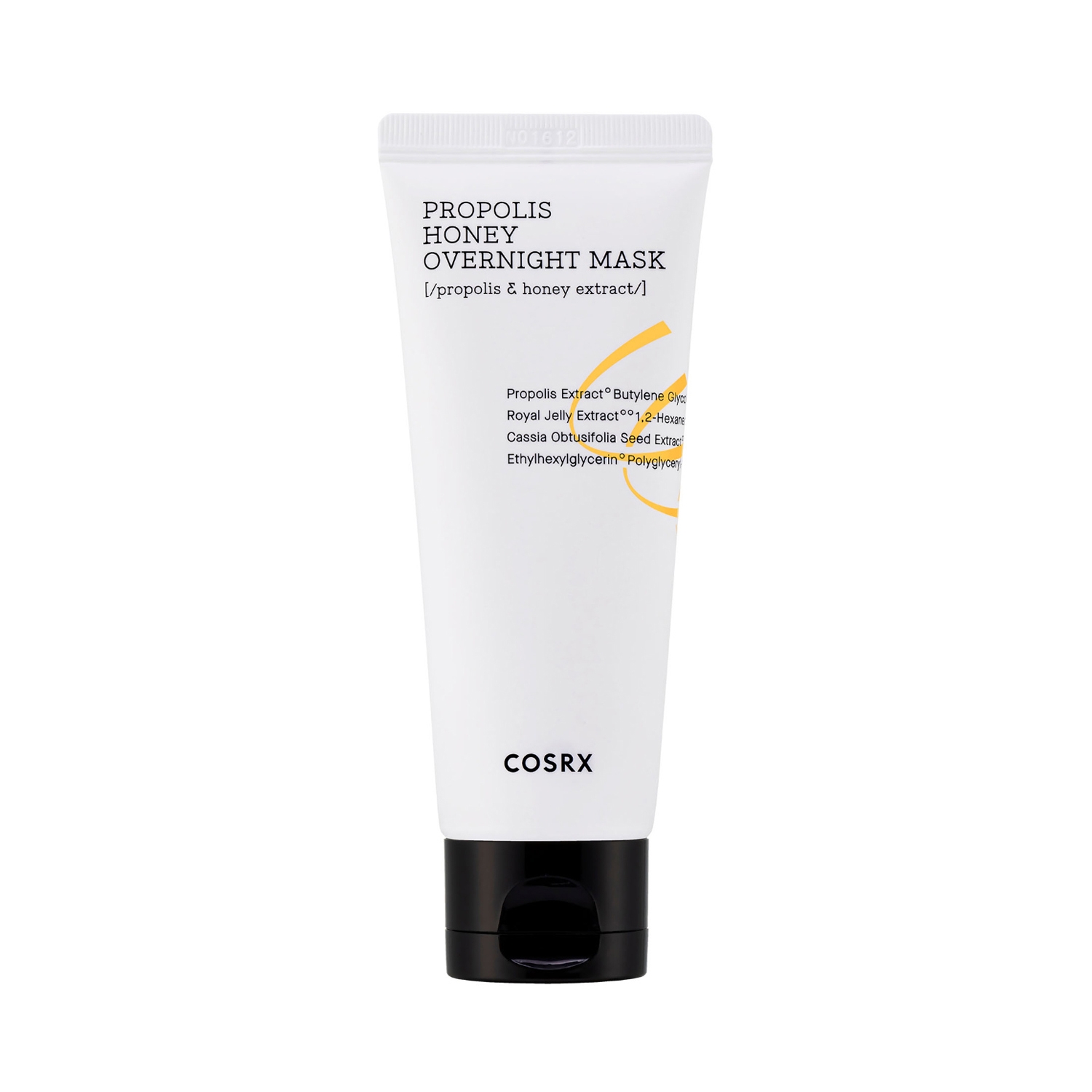
COSRX Full fit propolis honey …
|
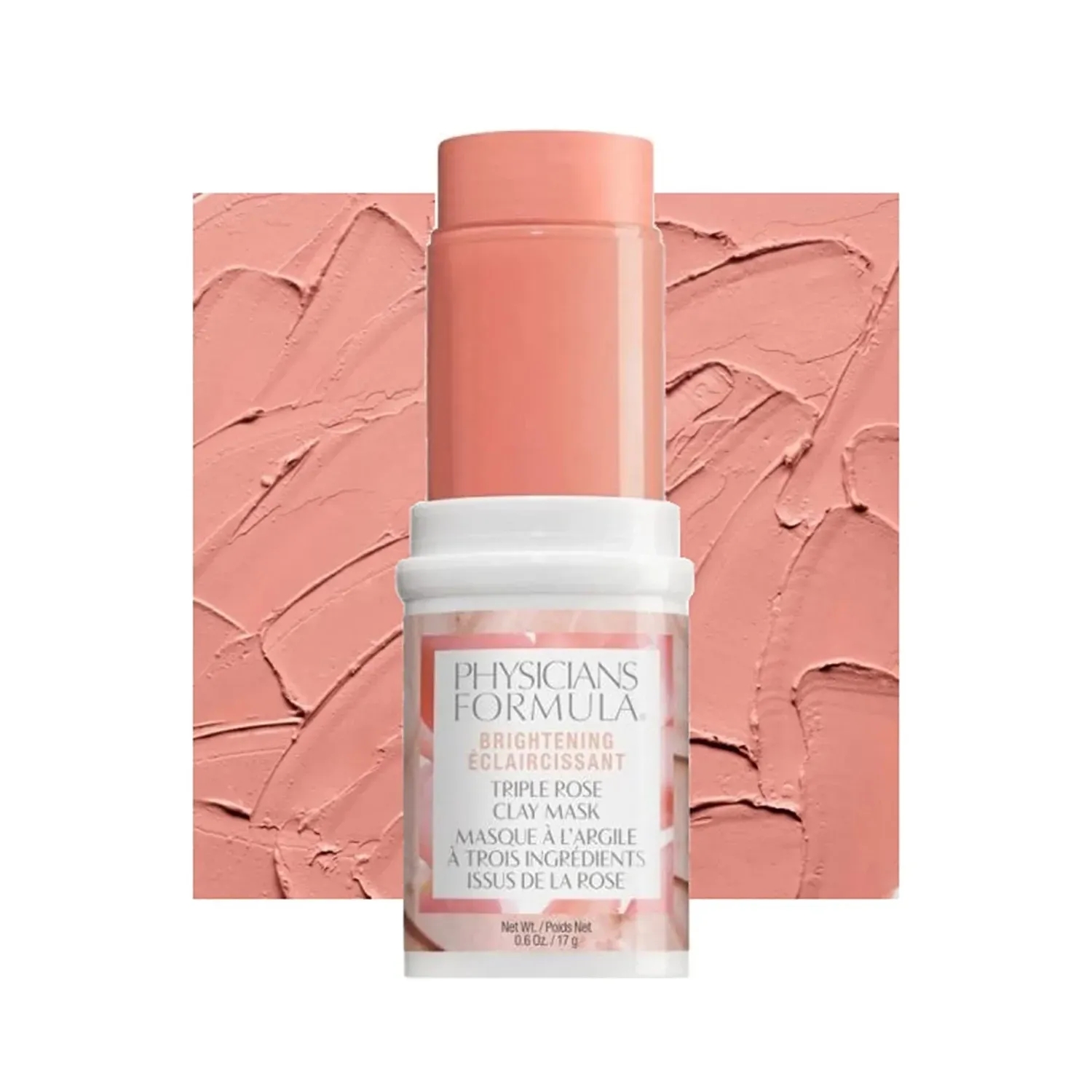
Physicians Formula Brightening triple rose …
|
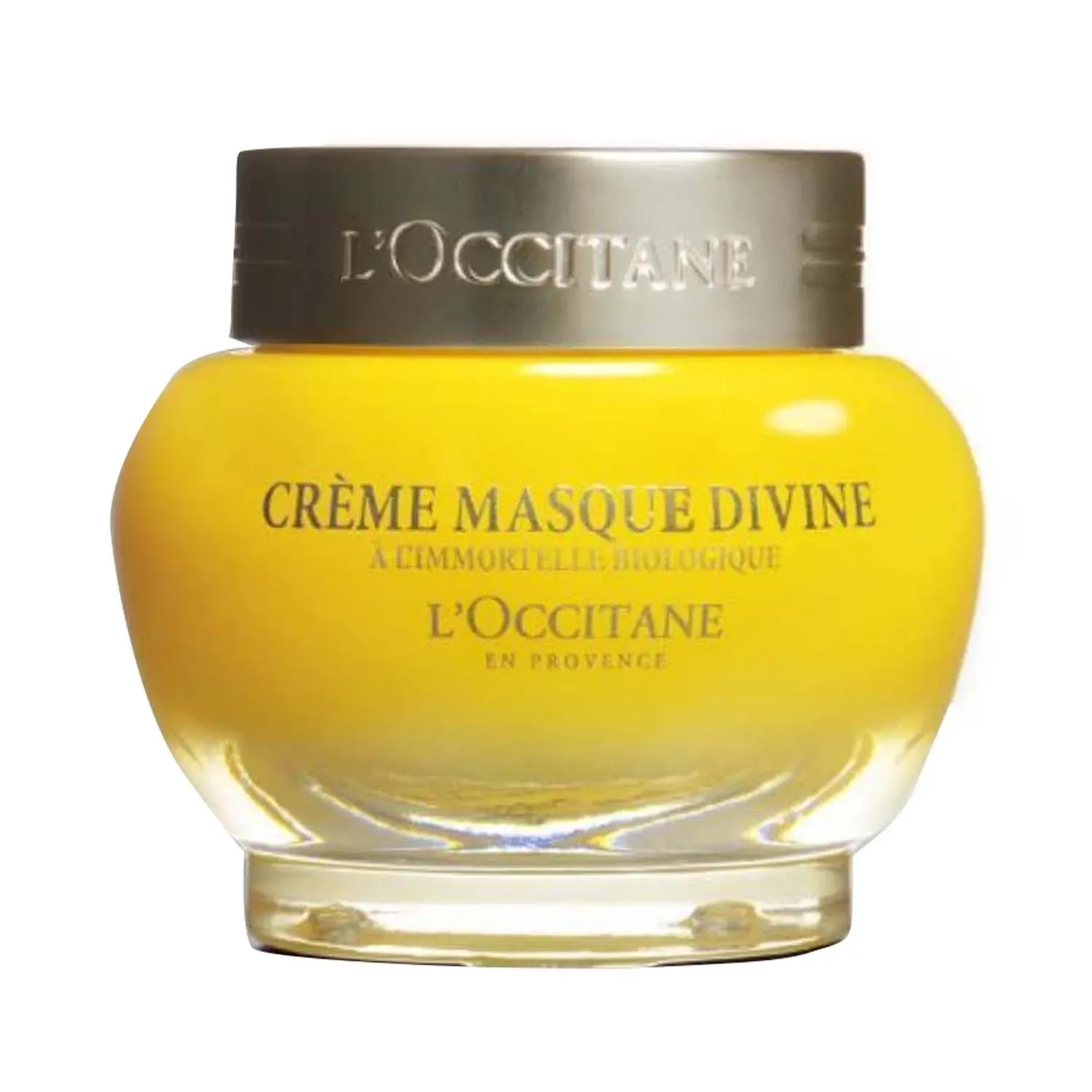
L'occitane Divine cream mask - (65m…
|
|
|---|---|---|---|---|---|
| Price | 3500 | 2600 | 1590 | 799 | 11000 |
| Ingredients Count | 28 | 41 | 22 | 29 | 49 |
| Skintype | All skin types | All skin types | All skin types | All skin types | All skin types |
| Formulation | Mask | Mask | Mask | Mask | Mask |
 skinethix
 skinethix
 skinethix
 skinethix