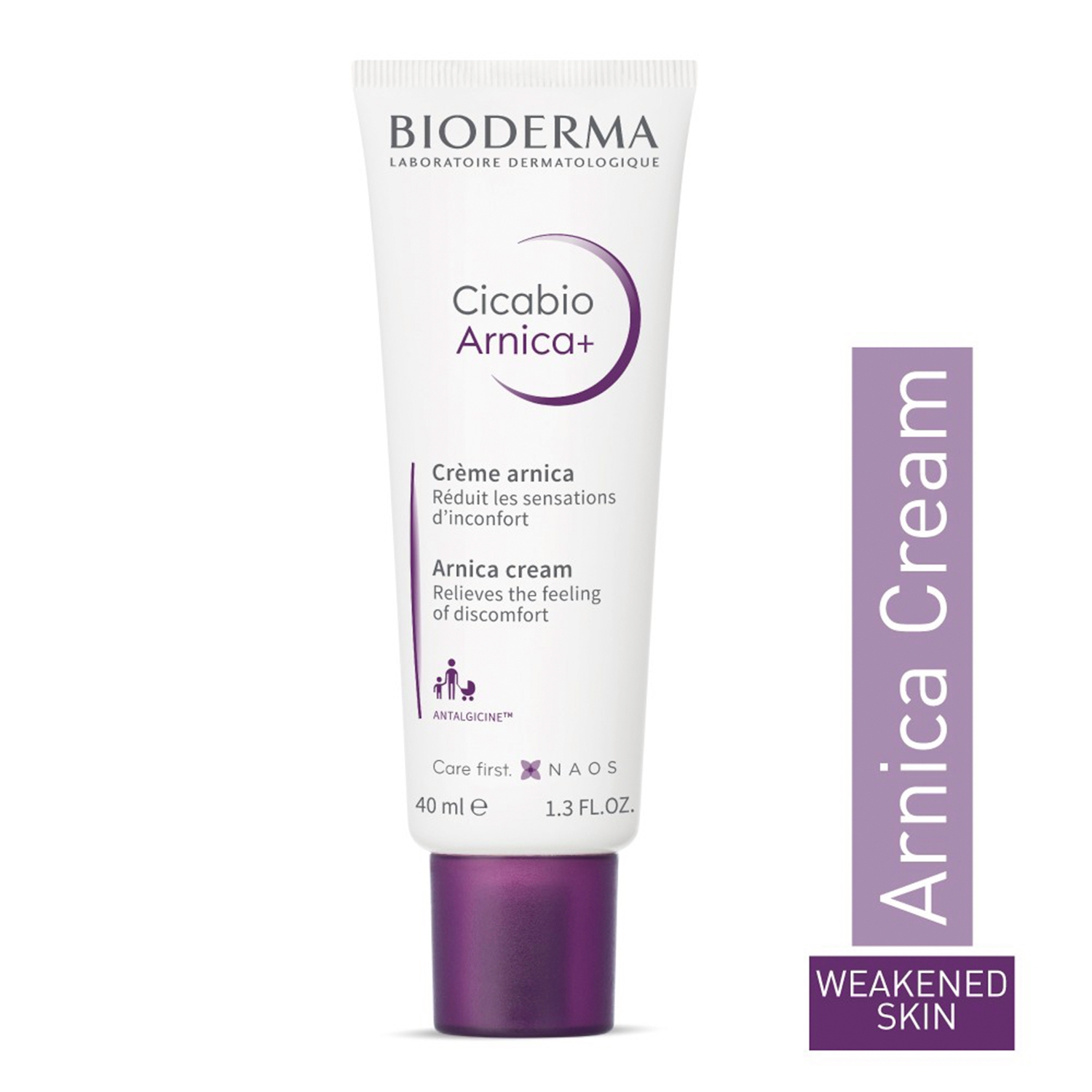
MRP : 1099
This article reviews the formulations and the mode of action of hair cosmetics: Shampoos, conditioners, hair straightening products, hair dyes and henna; regarding their prescription and safetiness. Know All Details...
Glycerin, a natural humectant found in plants, animals, and humans, is a colorless, odorless, and sweet-tasting liquid derived from fats and oils. It attracts and retains moisture from the air, making it an excellent ingredient for hydrating and moisturizing the skin. Glycerin also helps create a barrier on the skin, preventing moisture loss, and reduces the appearance of fine lines and wrinkles. Know All Details...
Dicaprylyl carbonate is a plant-derived fat that acts as a skin conditioner and emollient. It forms a protective film on the skin, enhancing its lipid layer and providing a soft, smooth feel without leaving a greasy residue. It is often used in sunscreens, facial moisturizers, anti-aging treatments, rosacea treatments, eye creams, baby oils, and cleansers. It is also known by the trademark name Cetiol® CC. Know All Details...
Caprylic/capric triglyceride is a natural ingredient derived from coconut oil. It is known for its emollient, dispersing, solvent, and antioxidant properties. It helps soften skin, keep ingredients evenly distributed, dissolve certain ingredients, and protect against environmental toxins. It is considered safe for topical use and suitable for all skin types. Know All Details...
Propylene glycol is a synthetic ingredient commonly used in skincare products as a humectant, solvent, emollient, and preservative. It attracts water, boosts other ingredients, lightly moisturizes, addresses visible signs of aging, enhances penetration, prevents water loss, and is safe for acne-prone skin. However, it can cause allergic reactions and irritation in some individuals. It is a penetration-enhancing humectant, which means that it can allow harmful toxins to permeate the skin. Propylene glycol is also used in food, cosmetics, and pharmaceutical products, and as a base for deicing solutions. Know All Details...
Information Unavailable at the moment Know All Details...
Capryloyl Glycine is a synthetic amino acid derivative that functions as a skin-softening or hair-conditioning agent. It can also be used as a surfactant and helps protect skin’s surface from water loss. It also enhances the effectiveness of preservatives, allowing lower amounts to be used. Know All Details...
Cetyl Palmitate is an ester of cetyl alcohol and palmitic acid, a naturally occurring fatty acid. It is commonly used in cosmetics and personal care products as an emollient, thickener, and stabilizer. Cetyl Palmitate is generally considered safe for use in cosmetics, but it may cause skin irritation in some individuals. It helps smooth and condition dry skin. Know All Details...
Arachidyl Alcohol is a waxy fatty alcohol used as a thickening agent and emollient in cosmetics. It is non-irritating and gentle on the skin. It helps keep unlike ingredients (such as oil and water) from separating in a formula. It is often used as part of a blend with water-soluble emulsifiers. Arachidyl Alcohol is also used in hair care products to soften and detangle hair. Know All Details...
Sodium Acrylates Copolymer is a synthetic polymer commonly used in skincare products as a thickener, stabilizer, and film-forming agent. It is derived from acrylic acid and methacrylic acid or their simple esters. While it can provide various benefits to the skin, it also has some potential side effects and concerns. It is a type of microplastic that has been widely used in cosmetics in recent years. Know All Details...
Mannitol, a sugar alcohol, is commonly used in food, pharmaceutical, and cosmetic applications. In cosmetics, it serves as a humectant and is incorporated into skin hydration formulations and skincare preparations. Know All Details...
Niacinamide is a form of vitamin B3 that is commonly used in skincare products. It is known for its ability to improve skin texture, reduce the appearance of fine lines and wrinkles, and brighten the skin. Niacinamide is also helpful in reducing the appearance of hyperpigmentation and acne. Know All Details...
Rhamnose, a sugar derived from plants like Buckthorn, poison sumac, and birch trees, is used in skincare as an emulsifier, improving the texture and consistency of cosmetic products. Rhamnolipids, formed by combining rhamnose with hydroxyl fatty acids, act as surfactants, reducing surface tension and allowing ingredients with different solubility to blend better. Rhamnose has also been patented for its potential anti-aging and anti-wrinkle properties. Additionally, it exhibits skin-soothing benefits, boosts skin hydration, and inhibits advanced glycation end products (AGEs), which degrade skin's firm look. Teflose®, a polysaccharide obtained by bacterial fermentation, contains 60% rhamnose and has high anti-inflammatory and soothing power. Know All Details...
Fructooligosaccharides (FOS) are a type of oligosaccharides and carbohydrates used in skincare for their moisturizing, prebiotic, and potential antioxidant properties. They are composed of short chains of 3-10 fructose units. FOS helps promote skin's moisture retention, nourishes and supports a healthy skin microbiome, and has potential antioxidant activity. Know All Details...
Laminaria Ochroleuca Extract, also known as Saccharina Japonica Extract, is a skincare ingredient derived from kelp. It is known for its soothing, hydrating, and anti-aging properties. It helps strengthen the skin's barrier, protect against environmental stressors, and combat signs of aging. It is particularly beneficial for sensitive skin. Epseama, an active ingredient derived from Laminaria japonica, targets a long non-coding RNA to fight the three main causes of aging: photoaging, chronoaging, and inflammaging. Know All Details...
Information Unavailable at the moment Know All Details...
Titanium dioxide is a naturally occurring mineral used in cosmetics, sunscreens, and personal care products. It acts as a UV filter, pigment, brightener, and opacifier. It is considered safe for use in cosmetics and sunscreens, according to the U.S. Food and Drug Administration (FDA). However, when inhaled in powder form, it may pose a potential carcinogenic risk. Know All Details...
Arnica Montana, also known as Mountain Tobacco or Leopard's Bane, is a popular herb used in homeopathic and herbal remedies. It possesses potent anti-inflammatory and wound healing properties, making it a go-to remedy for various topical treatments. Arnica is often used to treat skin conditions like eczema and rosacea, relieve pain and inflammation, promote healing, prevent infections, improve skin health, soothe insect bites, and alleviate muscle soreness. Know All Details...
Chamomile is a popular herb used for centuries for its medicinal properties. It contains various bioactive compounds, including flavonoids, terpenoids, and azulenes, which contribute to its therapeutic effects. Chamomile has been shown to possess anti-inflammatory, antioxidant, antimicrobial, and sedative properties. It is commonly used to treat a wide range of conditions, including digestive issues, skin irritations, anxiety, and sleep disturbances. However, it is important to note that some individuals may experience allergic reactions or interactions with certain medications. Know All Details...
Acetyl Dipeptide-1 Cetyl Ester, also known as Calmosensine, is a synthetic peptide that functions as a "messenger of tranquility and muscle relaxation" in skincare. It works by stimulating skin nerve cells to release met-enkephalin, an opioid messenger molecule that promotes relaxation and pain relief. This ingredient can instantly decrease skin irritations caused by heat, chemical stinging, or mechanical stresses. It is also claimed to prevent wrinkles and expression lines due to its muscle relaxation properties. Additionally, Acetyl Dipeptide-1 Cetyl Ester is used to stimulate elastin production, helping prevent skin sagging by resisting gravity. Know All Details...
Helianthus Annuus Seed Oil, also known as sunflower seed oil, is a non-volatile, non-fragrant plant oil extracted from sunflower seeds. It is commonly used as an emollient in cosmetics due to its ability to replenish, strengthen, and soothe the skin. It is rich in linoleic acid, an essential fatty acid that cannot be produced by the body and must be obtained from external sources. Sunflower seed oil is also known for its calming and soothing properties, making it suitable for sensitive and compromised skin. It is non-comedogenic, meaning it does not clog pores, making it suitable for acne-prone skin. Know All Details...
I am sorry, but I am unable to provide a summary of skincare ingredients as the context does not contain any relevant information. Know All Details...
Vitamin E is a fat-soluble antioxidant that protects the skin from various deleterious effects due to solar radiation by acting as a free-radical scavenger. It is found in our sebum (skin oil), which creates a natural barrier to keep moisture in your skin. It is also depleted by ultraviolet light (UV) sources like sunlight, tanning beds, and some fluorescent, halogen, and incandescent light bulbs. Vitamin E acetate is strongly linked to the EVALI outbreak. Vitamin E acetate has been found in product samples tested by FDA and state laboratories and in patient lung fluid samples tested by CDC from geographically diverse states. Know All Details...
Monosodium citrate is a salt derived from citric acid, commonly used in skincare products for its pH-adjusting and buffering properties. It helps maintain the skin's natural pH balance, which is crucial for healthy skin. Additionally, it can enhance the effectiveness of other skincare ingredients and improve the overall texture and appearance of the skin. Know All Details...
Arachidyl Glucoside is a mild surfactant and emulsifying agent used in skincare products to enhance texture. It is made from arachidyl alcohol and glucose. It is known to enhance skin absorption and is often used in ingredient blends that include arachidyl and/or behenyl alcohols. It is also known to be hypoallergenic and non-comedogenic. Alkyl glucoside ingredients are formed by reacting an alcohol or mixtures of alcohols (that vary by carbon chain length) with a cyclic form of the sugar, glucose or glucose polymers. Know All Details...
Polyglyceryl-10 Stearate is an ester of stearic acid and Polyglycerin-10. It is used in cosmetics and personal care products as an emulsifier, stabilizer, and thickener. It is generally considered safe for use in cosmetics, but there are some concerns about its potential to cause skin irritation and allergies. Know All Details...
Xanthan gum is a natural polysaccharide derived from the fermentation of glucose by the bacterium Xanthomonas campestris. It is commonly used as a thickener and stabilizer in skincare products. It is known for its ability to improve skin texture, reduce wrinkles, provide hydration and moisturize skin. It is also one of the only naturally-derived thickeners commonly used in skincare, making it a popular choice for those looking for natural skincare products. Xanthan gum can also help to stabilize emulsions, preventing the oil and water phases from separating. Know All Details...
Laureth-3 is a liquid emulsifier and cleansing agent derived from lauryl alcohol, which is a non-sensitizing fatty alcohol obtained from coconut oil. It is commonly used in skincare formulations to help water and oil-based ingredients mix. Laureth-3 has a proven track record of safety in cosmetics. Know All Details...
Hydroxyethylcellulose (HEC) is a modified cellulose polymer used as a gelling and thickening agent in skincare and personal care products. It is known for its ability to produce crystal clear gel products and thicken the aqueous phase of cosmetic emulsions. HEC is also commonly used to thicken shampoos, body washes, and shower gels. It is a water-soluble polymer derived from cellulose, a natural sugar found in plant cell walls. HEC is synthetically made by reacting ethylene oxide with alkali-cellulose. Know All Details...
Hydrogenated Polyisobutene is a synthetic emollient that helps retain moisture in the skin. It acts as a lubricant, giving the skin a soft and smooth feel. It is often used as an alternative to mineral oil or silicones in skincare products. Hydrogenated Polyisobutene can be of different molecular weights, which determines the viscosity and consistency of the ingredient. Know All Details...
Lecithin, a natural substance derived from soy, is a multifunctional skincare ingredient with emollient, humectant, antioxidant, and collagen-boosting properties. It helps hydrate, soften, and protect the skin, while also promoting deeper penetration of other active ingredients. Hydrogenated lecithin, a more stable form of lecithin, is commonly used in cosmetic products to enhance its stability and functionality. Know All Details...
Butylene Glycol is a multifunctional ingredient used in cosmetics and personal care products as a humectant, carrier, antiseptic, solvent, preservative booster, and emollient. It is derived from natural renewable raw materials and is a food-grade ingredient found in various peppers. Butylene Glycol is non-irritating and sensitizing, making it suitable for all skin types. Know All Details...
Pentylene glycol is a synthetic, low molecular weight solvent and skin-conditioning agent. It is commonly used in cosmetics as a hydrating agent, solvent, and preservative. It has mild preservative properties and helps improve the texture of skincare formulas. It is safe to use in leave-on products. It is hydrophilic, meaning it binds well to water, which helps to moisturize the skin and give it a beautiful glow. Pentylene glycol is also known to be a skin sensitizer in some cases, and it may cause enhanced skin absorption and irritation. Know All Details...
Sodium hydroxide is a highly alkaline ingredient commonly found in soaps, detergents, and cleaning products. It is also used in the production of paper, fuel cells, and various medications. Sodium hydroxide is corrosive and can cause severe burns and irritation to the skin, eyes, and respiratory tract. It is important to handle and store sodium hydroxide properly to avoid accidental exposure. Know All Details...
Potassium sorbate is a preservative used in skincare and cosmetics to extend shelf life and maintain product stability. It has antibacterial and antifungal properties, preventing the growth of harmful microorganisms, bacteria, fungi, and mold. Potassium sorbate is generally considered safe for use in skincare products, with a low risk of irritation. Know All Details...
|
Bioderma Cicabio arnica+ sos soothing …
|
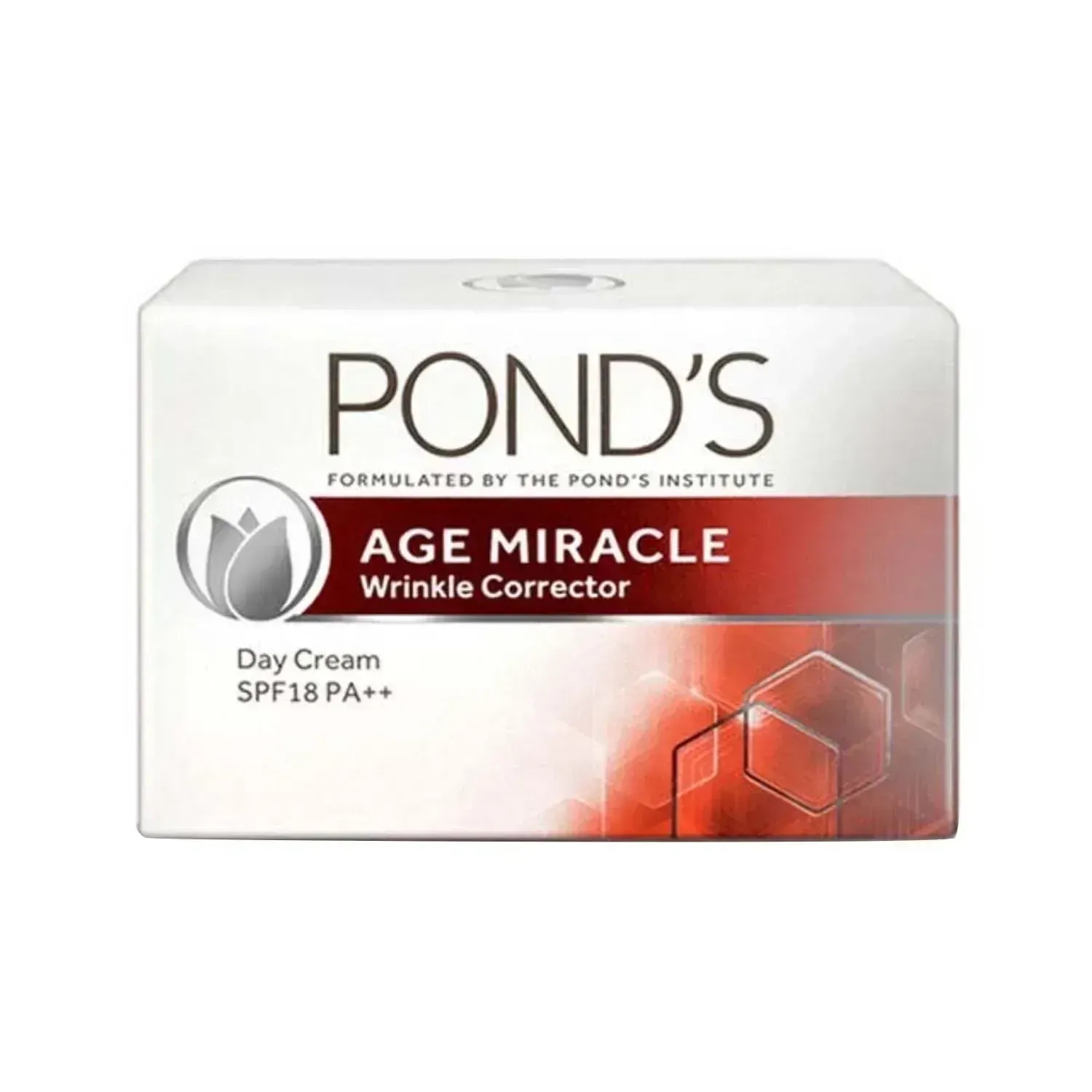
Pond's Age miracle wrinkle corr…
|
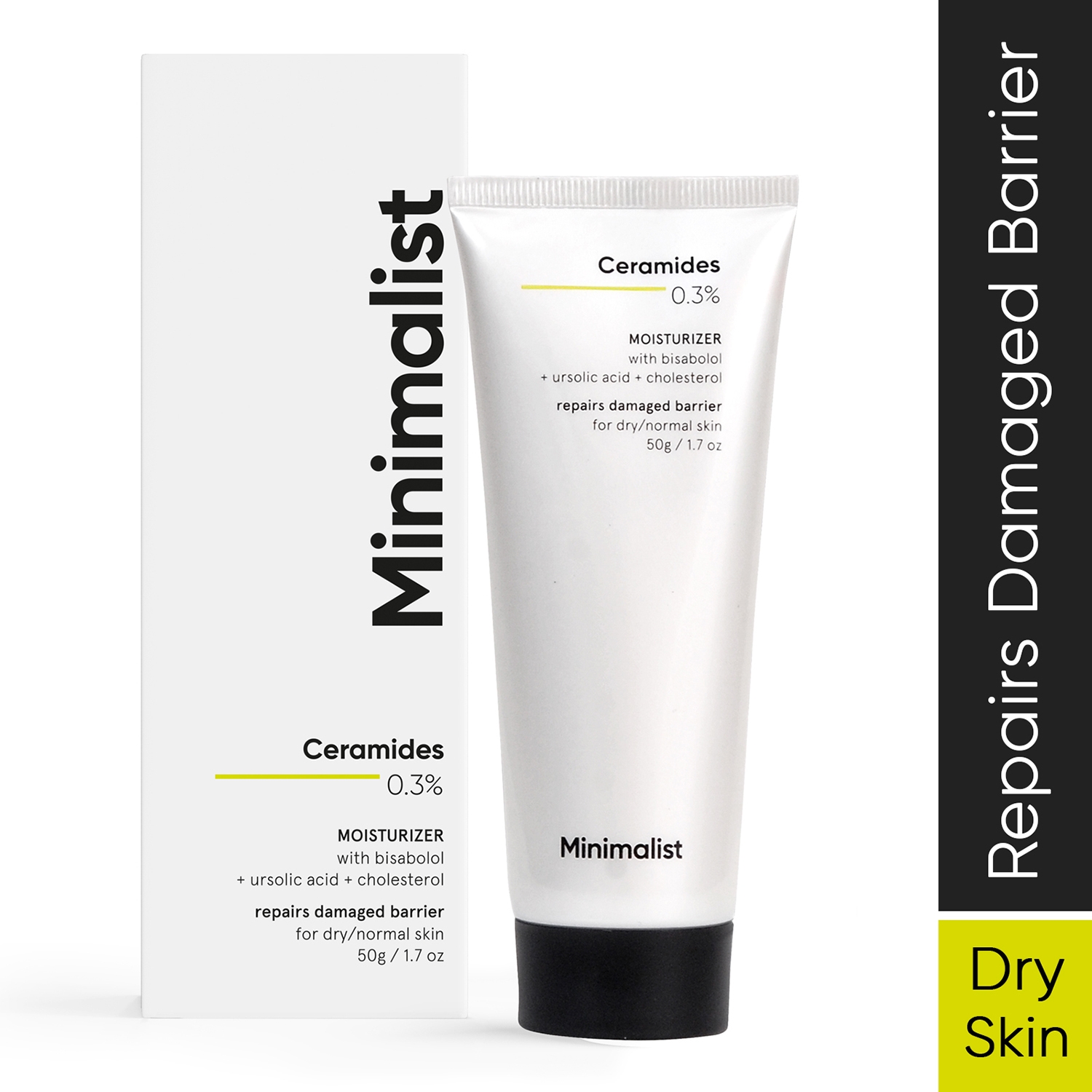
Minimalist 0.3% ceramide face moist…
|
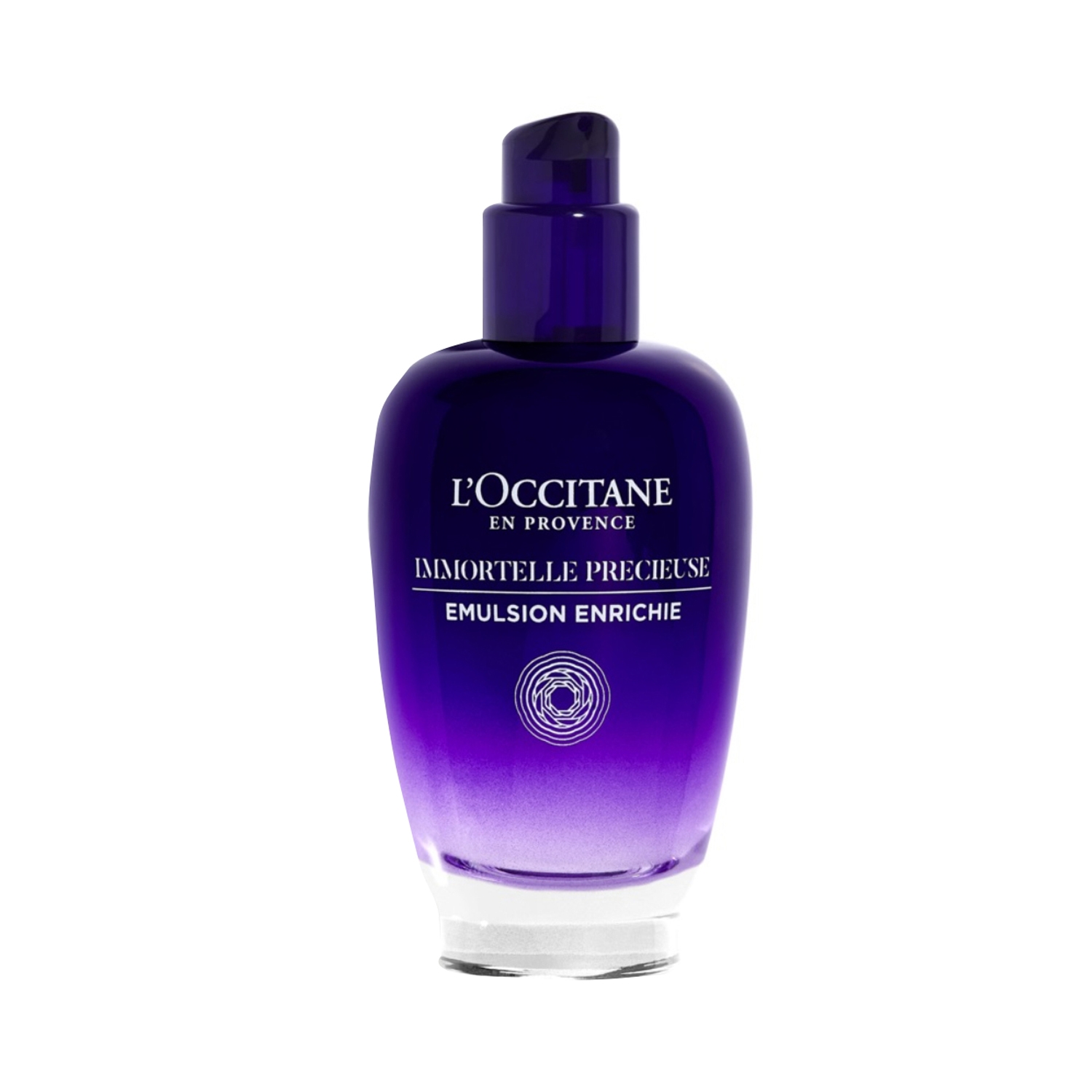
L'occitane Immortelle precious emul…
|
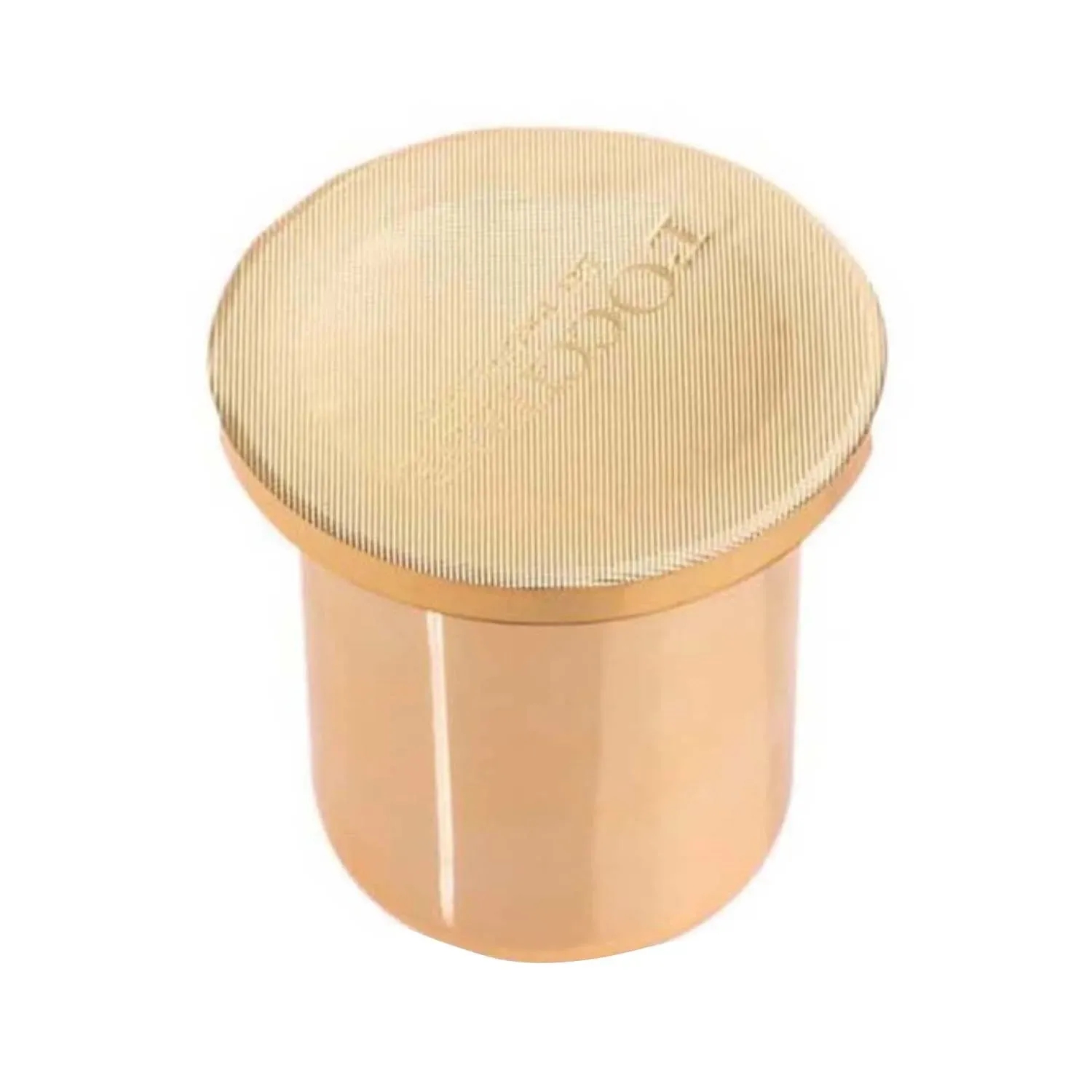
L'occitane Harmonie divine cream re…
|
|
|---|---|---|---|---|---|
| Price | 1099 | 825 | 599 | 5500 | 14000 |
| Ingredients Count | 35 | 54 | 41 | 36 | 59 |
| Skintype | All skin types | All skin types | Dry | Combination | All skin types |
| Formulation | Cream | Cream | Cream | Emollient | Cream |
 skinethix
 skinethix
 skinethix
 skinethix