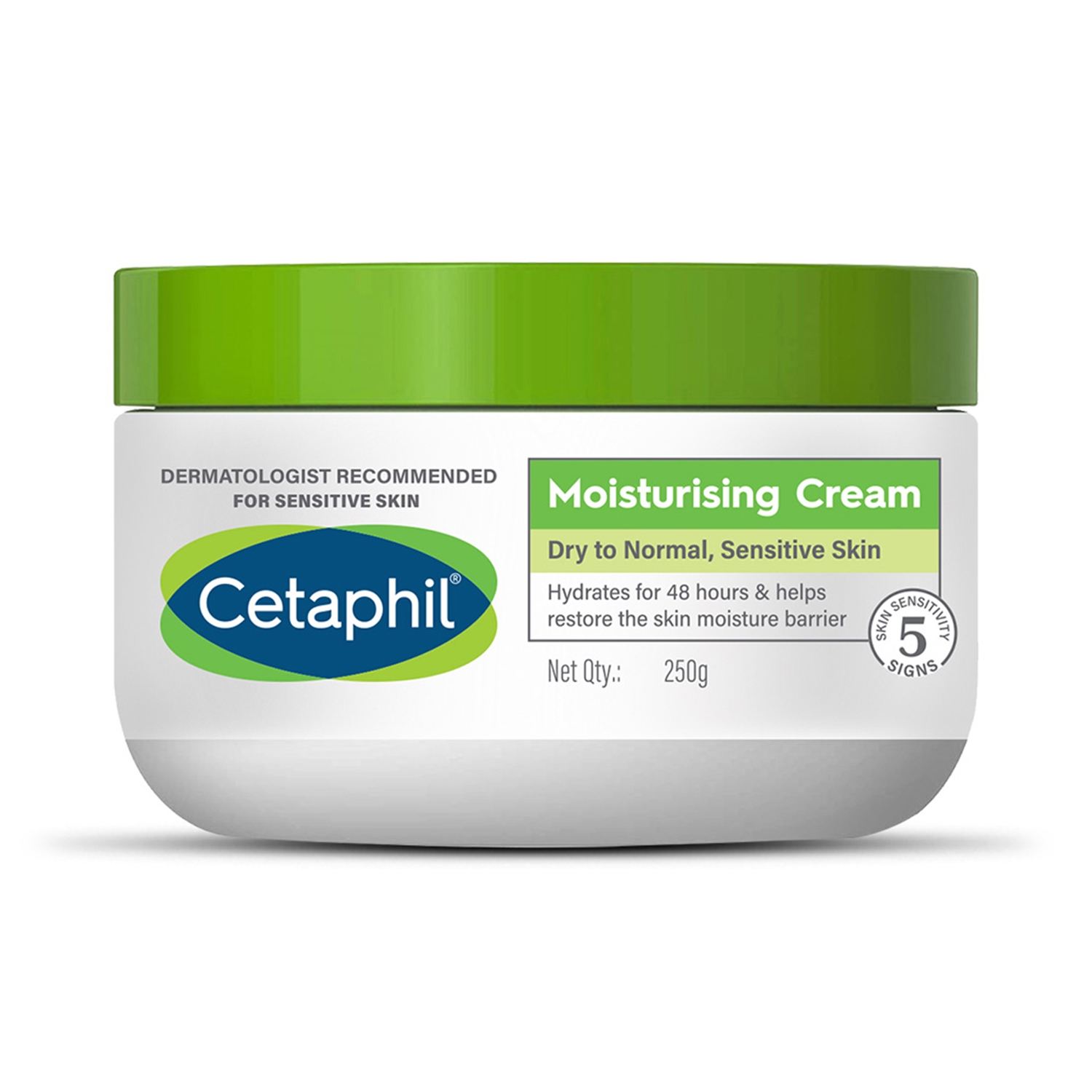
MRP : 1299
This article reviews the formulations and the mode of action of hair cosmetics: Shampoos, conditioners, hair straightening products, hair dyes and henna; regarding their prescription and safetiness. Know All Details...
Glycerin, a natural humectant found in plants, animals, and humans, is a colorless, odorless, and sweet-tasting liquid derived from fats and oils. It attracts and retains moisture from the air, making it an excellent ingredient for hydrating and moisturizing the skin. Glycerin also helps create a barrier on the skin, preventing moisture loss, and reduces the appearance of fine lines and wrinkles. Know All Details...
Petrolatum, a petroleum product, is used in cosmetics as a skin protectant and moisturizer. It creates a physical barrier on the skin's surface that helps trap moisture and prevent water loss. Petrolatum is suitable for dry, flaky, or irritated skin and is commonly used in healing ointments, diaper rash creams, and lotions. It is also used as an ingredient in emollients, which are substances that soften and moisturize the skin and decrease itching and flaking. Know All Details...
Dicaprylyl Ether is an emollient derived from caprylic acid, a fatty acid found in coconut and palm kernel oils. It is used as a skin conditioner, emollient, and solvent to create a smooth and soft appearance for the skin. Unlike most emollients, it provides a dry and non-greasy feel, making it suitable for powder formulations like deodorant. Know All Details...
Dimethicone, a synthetic silicone-based polymer, is a common skin protectant in skincare products. It moisturizes the skin, improves its softness and flexibility, and forms a barrier to minimize water loss. Suitable for all skin types, it is especially beneficial for dry, itchy, and rough skin. It is also used as an emollient in various skincare products to treat or prevent dry, rough, scaly, itchy skin and minor skin irritations. Know All Details...
Glyceryl monostearate (GMS) is a versatile emulsifier and thickening agent used in skincare, cosmetic, food, pharmaceutical, and plastic industries. It is derived from glycerin and stearic acid, and it helps to stabilize and enhance the texture of various formulations. GMS is known for its ability to create stable emulsions, improve product consistency, and provide moisturizing benefits to the skin. Know All Details...
Cetyl alcohol is a skin-friendly, multi-purpose cosmetic ingredient derived from vegetable oils like coconut or palm oil. It functions as an emulsifier, thickener, opacifier, and carrier for other ingredients in cosmetic formulations. Cetyl alcohol helps stabilize and bind ingredients together, extend shelf life, prevent water loss, and enhance the texture and spreadability of products. Know All Details...
Helianthus Annuus Seed Oil, also known as sunflower seed oil, is a non-volatile, non-fragrant plant oil extracted from sunflower seeds. It is commonly used as an emollient in cosmetics due to its ability to replenish, strengthen, and soothe the skin. It is rich in linoleic acid, an essential fatty acid that cannot be produced by the body and must be obtained from external sources. Sunflower seed oil is also known for its calming and soothing properties, making it suitable for sensitive and compromised skin. It is non-comedogenic, meaning it does not clog pores, making it suitable for acne-prone skin. Know All Details...
PEG-30 Dipolyhydroxystearate is a synthetic ingredient derived from petroleum. It is a non-ionic surfactant used in cosmetics and personal care products as an emulsifier, stabilizer, and thickener. It is generally considered safe for use in cosmetics, but there are some concerns about its potential to cause skin irritation and other health effects. Know All Details...
Dexpanthenol, a derivative of vitamin B5, is a versatile skincare ingredient known for its moisturizing, soothing, and wound-healing properties. It helps maintain skin hydration by acting as both an emollient and humectant, replenishing the skin's moisture and attracting water to it. Dexpanthenol also possesses anti-inflammatory and regenerative abilities, aiding in wound healing, soothing irritated skin, and promoting blemish healing. It is also known to improve hair health by preventing hair loss and protecting hair against environmental and styling damage. Know All Details...
Niacinamide, also known as nicotinamide, is a form of vitamin B3. It is found in many foods including meat, fish, milk, eggs, green vegetables, and cereals. Niacinamide is required for the function of fats and sugars in the body and to maintain healthy cells. It is a multipurpose skin care ingredient that helps build keratin, a protein that maintains skin health. It also helps to calm redness, reduce the appearance of pores, protect against skin cancer, treat dark spots, and reduce wrinkles and fine lines. Niacinamide can be used as part of a daily skincare routine to promote hydrated, smooth, and even-toned skin. Know All Details...
Information Unavailable at the moment Know All Details...
Tocopheryl acetate (ATA), a synthetic form of vitamin E, is commonly found in skincare products and dietary supplements. It's known for its antioxidant properties, helping protect the skin from free radical damage caused by UV exposure and pollution. ATA is more stable than AT, meaning it can better withstand environmental stresses such as heat, air, and light. It also helps keep delicate ingredients in cosmetics stable for longer. Know All Details...
Pantolactone is a synthetic humectant that helps maintain skin's moisture balance. It is often found in blends with other hydrating ingredients like panthenol, glycerin, sodium hyaluronate, and yeast strains. Pantolactone is considered safe for cosmetic use, typically at concentrations of 1% or less. It is used in the production of D-panthenol (dexpanthenol), the alcohol analogue of panthothenic acid (vitamin B5). Pantolactone is also used as an animal feed additive, but also in pharmaceutical, health care and food products, and in cosmetics as a humectant and conditioning agent. Pantolactone can cause allergic contact dermatitis in some individuals. It can disintegrate to pantothenic acid due to ‘lactonization’ in an acid aqueous environment such as the skin. Know All Details...
Dimethiconol, a silicone-based ingredient, is commonly used in skincare and haircare products. It enhances product texture, moisturizes the skin and hair, and protects them from external stressors. It is generally safe for use on most skin and hair types, except sensitive, oily, or acne-prone skin. Dimethiconol is a silicon-based polymer. Know All Details...
Acrylates/C10-30 Alkyl Acrylate Crosspolymer is a polymer molecule that acts as a thickener and emulsion stabilizer in skincare products. It is commonly found in gel-type formulas and cleansers. This ingredient is part water-loving and part oil-loving, making it compatible with both water-based and oil-based ingredients. Know All Details...
Carbomer is a synthetic polymer commonly used in cosmetics and personal care products as a thickening agent, emulsifier, and stabilizer. It is generally considered safe for use on the skin, with a low risk of irritation and sensitization. Carbomer helps improve the texture and consistency of products, making them smooth and creamy. It is also used in various industries, including food, detergent, and paint manufacturing. Know All Details...
Propylene glycol is a synthetic ingredient commonly used in skincare products as a humectant, solvent, emollient, and preservative. It attracts water, boosts other ingredients, lightly moisturizes, addresses visible signs of aging, enhances penetration, prevents water loss, and is safe for acne-prone skin. However, it can cause allergic reactions and irritation in some individuals. It is a penetration-enhancing humectant, which means that it can allow harmful toxins to permeate the skin. Propylene glycol is also used in food, cosmetics, and pharmaceutical products, and as a base for deicing solutions. Know All Details...
Disodium EDTA is a chelating agent used in cosmetics to enhance stability and aid preservatives. It is safe for use in cosmetics up to 0.85% concentration in leave-on products. It can also enhance skin absorption of other ingredients. However, it is recommended to avoid products containing Disodium EDTA as it is a 'penetration enhancer', which means it disrupts the surface of skin cells and allows other chemicals to get in more easily. Know All Details...
Benzyl alcohol is a naturally occurring and synthetic ingredient used as a solvent and preservative in skincare and cosmetic products. It has antibacterial and anti-fungal properties, making it effective in preserving products and preventing spoilage. It can also help stabilize formulas, dissolve ingredients, decrease viscosity, provide antioxidant properties, and impart a sweet floral scent. Benzyl alcohol is generally considered safe for use in concentrations up to 5%, but it can cause skin irritation and allergic reactions in some individuals. Know All Details...
Phenoxyethanol is a synthetic preservative used in cosmetic products to prevent bacterial growth. It is also used as a stabilizer in perfumes and soaps. It is found in various cosmetic products like moisturizers, eye shadows, foundations, sunscreens, conditioners, mascaras, eye liners, shampoos, lip glosses, concealers, body washes, hand creams, blushes, hair colors, hair sprays, lip balms, lotions, nail polishes, baby wipes, baby lotions and soaps, soaps, shaving creams, deodorants, toothpastes, fragrances, hair removal waxes, hand sanitizers, ultrasound gels, and vaccines. Phenoxyethanol is an oily, sticky substance with a pleasant odor often compared to roses. It helps to prevent fungi, bacteria, and yeast from growing in your products, giving them a longer shelf life and ensuring safety. Know All Details...
Sodium hydroxide is a highly alkaline ingredient commonly found in soaps, detergents, and cleaning products. It is also used in the production of paper, fuel cells, and various medications. Sodium hydroxide is corrosive and can cause severe burns and irritation to the skin, eyes, and respiratory tract. It is important to handle and store sodium hydroxide properly to avoid accidental exposure. Know All Details...
Citric Acid is a weak acid found naturally in citrus fruits like lemons and limes. It is also used as an additive in processed foods, medicines, personal care products, and cleaning products. Citric Acid has protective antioxidant, and corrective antiaging effects helping to reverse visible signs of photodamage. It exfoliates the upper layer of dead skin cells to help clean pores, even skin tone and soften and smooth the skin. It also helps maintain the skin's pH levels. Know All Details...
|
Cetaphil Moisturising cream (250g)
|
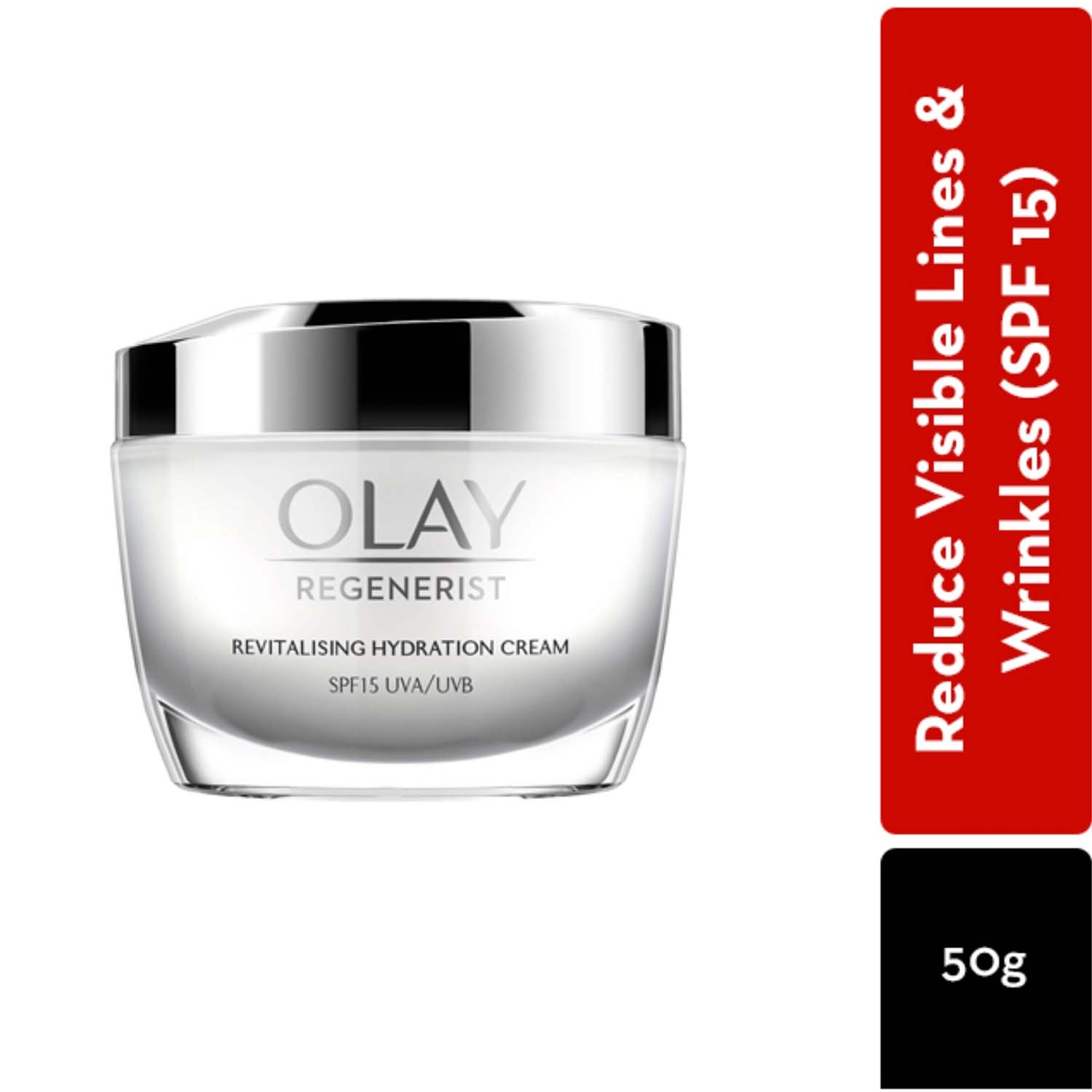
Olay Regenerist revitalising …
|
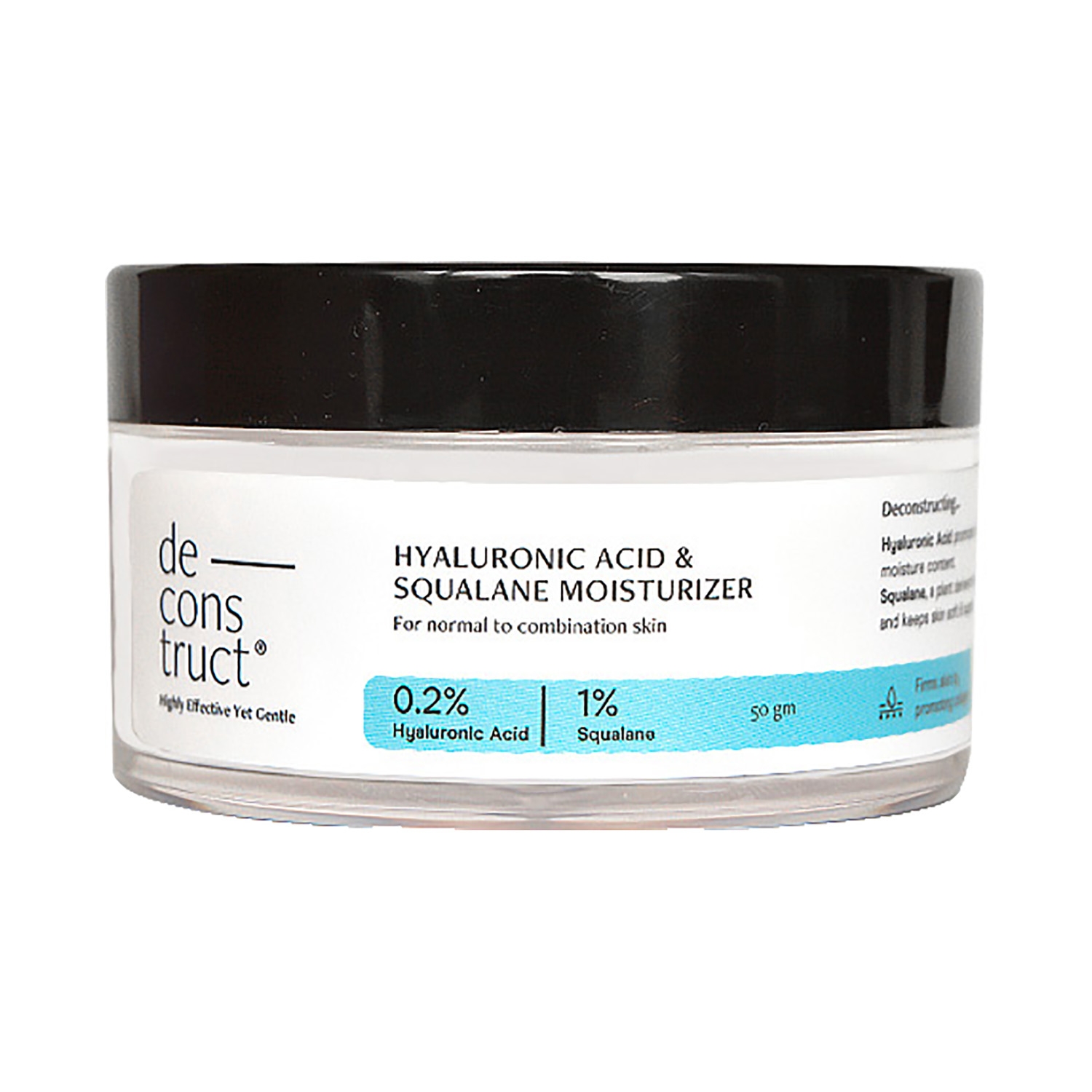
Deconstruct Hyaluronic acid & squala…
|
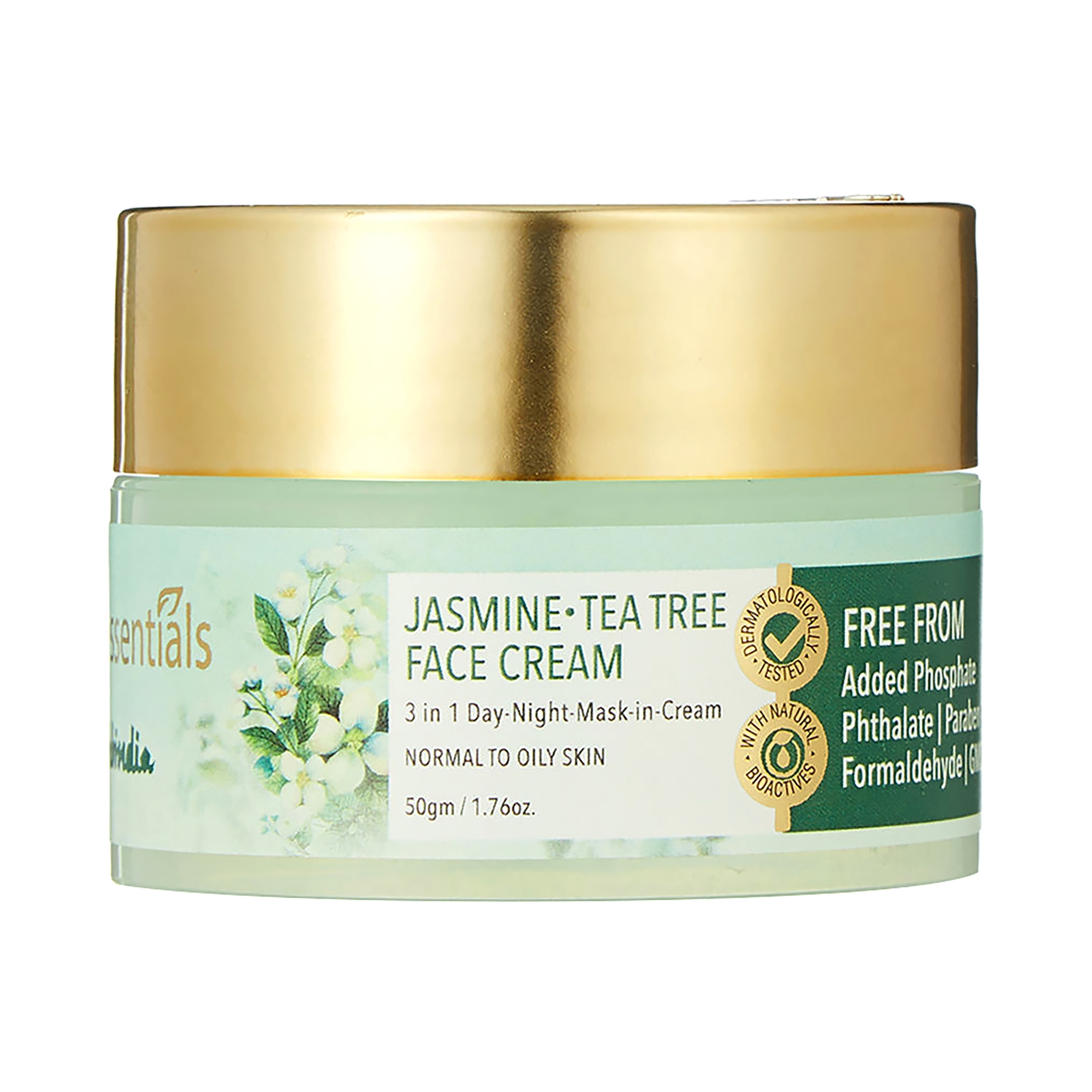
Fabessentials by Fabindia Fabessentials jasmine an…
|
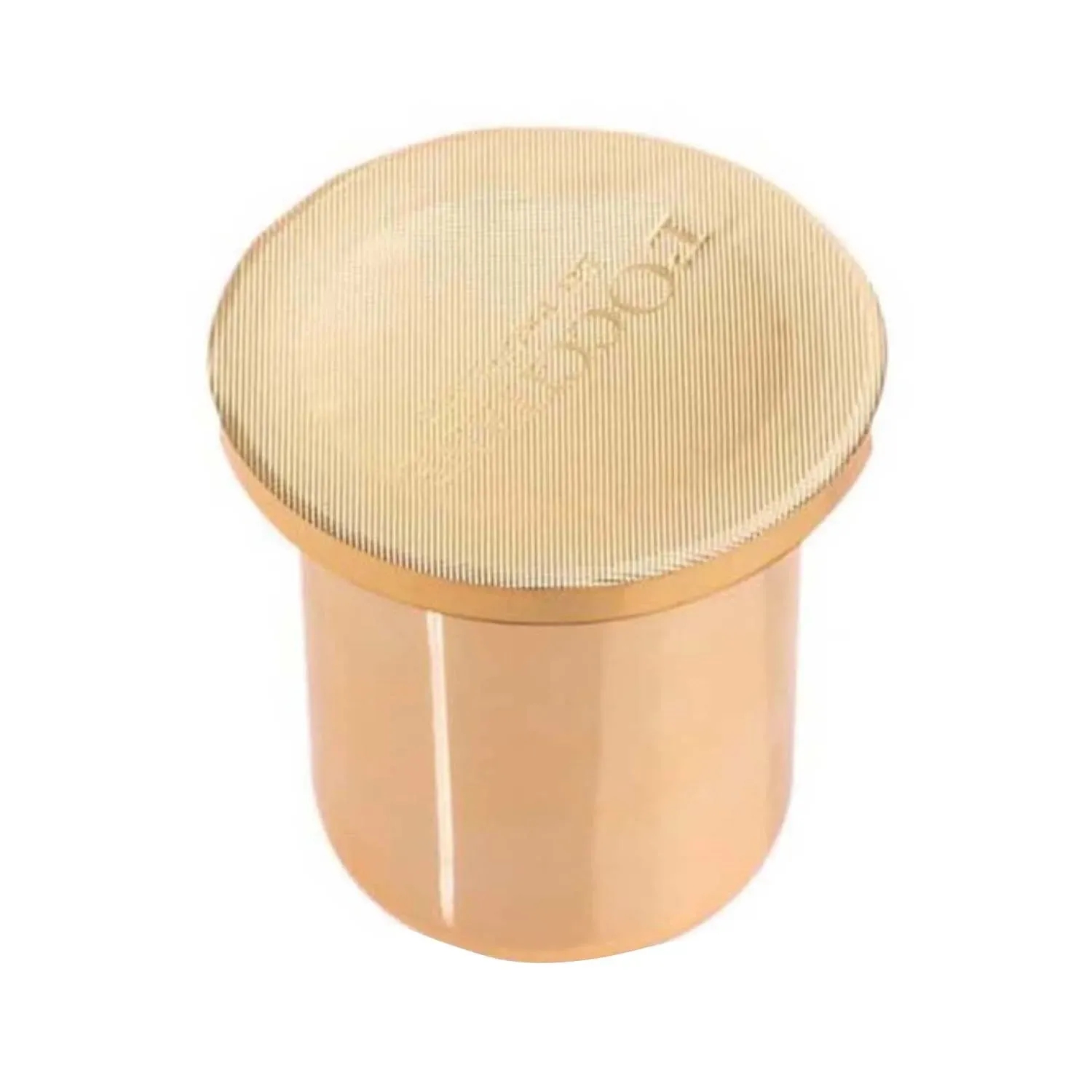
L'occitane Harmonie divine cream re…
|
|
|---|---|---|---|---|---|
| Price | 1299 | 1499 | 389 | 345 | 14000 |
| Ingredients Count | 23 | 27 | 41 | 27 | 59 |
| Skintype | Sensitive | All skin types | All skin types | Oily | All skin types |
| Formulation | Cream | Cream | Cream | Cream | Cream |
 skinethix
 skinethix
 skinethix
 skinethix