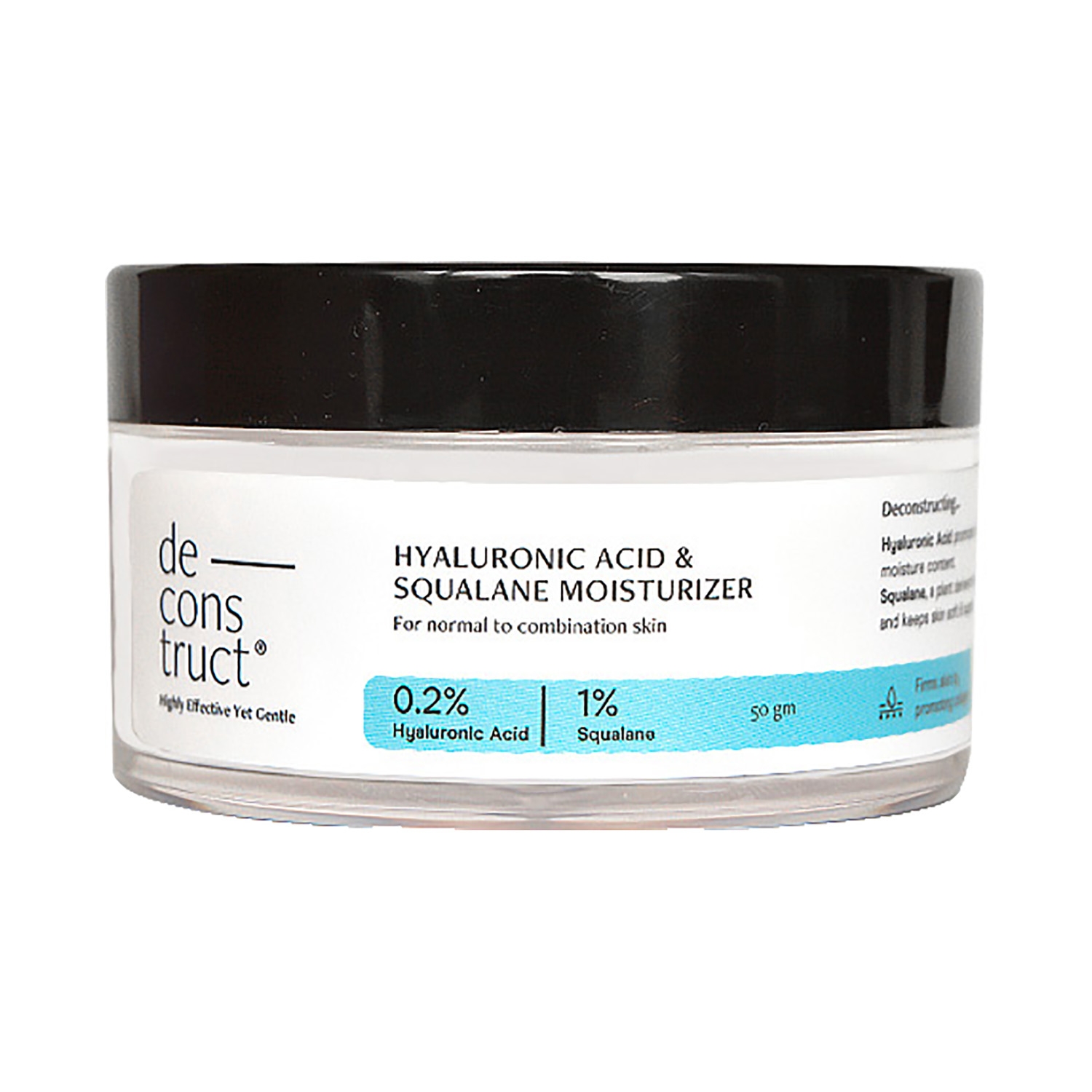
MRP : 389
This article reviews the formulations and the mode of action of hair cosmetics: Shampoos, conditioners, hair straightening products, hair dyes and henna; regarding their prescription and safetiness. Know All Details...
Glycerin, a natural humectant found in plants, animals, and humans, is a colorless, odorless, and sweet-tasting liquid derived from fats and oils. It attracts and retains moisture from the air, making it an excellent ingredient for hydrating and moisturizing the skin. Glycerin also helps create a barrier on the skin, preventing moisture loss, and reduces the appearance of fine lines and wrinkles. Know All Details...
Propanediol is a natural and safer alternative to propylene glycol, a multi-tasking cosmetic ingredient that offers a range of skin benefits. It acts as a humectant, solvent, and emollient, providing moisture, softening the skin, and aiding in deep cleansing. Propanediol is suitable for all skin types, especially acne-prone and sensitive skin. It is derived from corn sugar and is generally safe for use in cosmetics. Know All Details...
Cetearyl Olivate is an ester derived from Cetearyl alcohol and fatty acids of olive oil. It is commonly used in skincare products as an emulsifier, helping to blend oil and water. Additionally, it forms liquid crystal structures similar to the skin's lipid structure, providing moisturizing, barrier-repairing, and soothing properties. It is often combined with Sorbitan Olivate to form the natural emulsifier known as Olivem 1000. Know All Details...
Sorbitan olivate is a plant-derived surfactant made from olive oil and sorbitol. It is commonly used in skincare products as an emulsifier, helping to blend oil and water-based ingredients. It is considered safe for use on the skin and has moisturizing, emollient, and mild cleansing properties. Know All Details...
Dicaprylyl carbonate is a plant-derived fat that acts as a skin conditioner and emollient. It forms a protective film on the skin, enhancing its lipid layer and providing a soft, smooth feel without leaving a greasy residue. It is often used in sunscreens, facial moisturizers, anti-aging treatments, rosacea treatments, eye creams, baby oils, and cleansers. It is also known by the trademark name Cetiol® CC. Know All Details...
Propylheptyl caprylate is a synthetic emollient used in skincare and makeup products. It is a clear oily liquid that delivers a soft, moisturizing feel to the skin. It acts as a solvent, dispersing agent, and emulsion stabilizer. It is known for its excellent solubilizing properties for mineral sunscreen ingredients. It is fast-spreading and leaves a luxurious, silky-soft after-feel. It is also ideal for sunscreen products as it can enhance the solubility of crystalline UV filters. Propylheptyl caprylate is a good solvent for UV filters and pigments, making it a popular ingredient in sunscreens and color cosmetics. It is also used in hair care products to provide shine and condition. Know All Details...
Cetyl alcohol is a skin-friendly, multi-purpose cosmetic ingredient derived from vegetable oils like coconut or palm oil. It functions as an emulsifier, thickener, opacifier, and carrier for other ingredients in cosmetic formulations. Cetyl alcohol helps stabilize and bind ingredients together, extend shelf life, prevent water loss, and enhance the texture and spreadability of products. Know All Details...
Cetearyl alcohol is a fatty alcohol derived from plants like coconut and palm oil or synthesized in labs. It's used in skincare products as an emulsifier, stabilizer, and thickener. It prevents separation, encourages even application, and softens the skin. It is also used as an emollient to treat or prevent dry, rough, scaly, itchy skin and minor skin irritations. It can help ingredients penetrate the skin, preserve the product, and make it feel lightweight when applied. Know All Details...
Squalane is a natural moisturizer derived from squalene, a compound found in human skin, plants, and animals. It is a saturated oil that is easily absorbed by the skin and does not leave a heavy residue. Squalane is beneficial for both skin and hair, providing hydration, reducing signs of aging, and adding shine and preventing dryness. It is suitable for all skin types, including oily and acne-prone skin. Squalane can also help regulate oil production and calm inflammation. Know All Details...
Niacinamide, also known as nicotinamide, is a form of vitamin B3. It is found in many foods including meat, fish, milk, eggs, green vegetables, and cereals. Niacinamide is required for the function of fats and sugars in the body and to maintain healthy cells. It is a multipurpose skin care ingredient that helps build keratin, a protein that maintains skin health. It also helps to calm redness, reduce the appearance of pores, protect against skin cancer, treat dark spots, and reduce wrinkles and fine lines. Niacinamide can be used as part of a daily skincare routine to promote hydrated, smooth, and even-toned skin. Know All Details...
Phenoxyethanol is a synthetic preservative used in cosmetic products to prevent bacterial growth. It is also used as a stabilizer in perfumes and soaps. It is found in various cosmetic products like moisturizers, eye shadows, foundations, sunscreens, conditioners, mascaras, eye liners, shampoos, lip glosses, concealers, body washes, hand creams, blushes, hair colors, hair sprays, lip balms, lotions, nail polishes, baby wipes, baby lotions and soaps, soaps, shaving creams, deodorants, toothpastes, fragrances, hair removal waxes, hand sanitizers, ultrasound gels, and vaccines. Phenoxyethanol is an oily, sticky substance with a pleasant odor often compared to roses. It helps to prevent fungi, bacteria, and yeast from growing in your products, giving them a longer shelf life and ensuring safety. Know All Details...
Ethylhexylglycerin is a natural, biodegradable preservative derived from coconut or plant-based sources like soybean or palm. It is used in skincare and cosmetics as a humectant, emollient, surfactant, and preservative. It is considered safe for use on all skin types except those with an identified allergy to it and is often recommended by dermatologists. It helps keep skin moisturized and hydrated, softens and smooths skin, has antimicrobial properties that help prevent the growth of bacteria and germs, and helps prevent products from spoiling. Know All Details...
Aristoflex® AVC and Ammonium Acryloyldimethyltaurate/Vp Copolymer are skincare ingredients with different properties and applications. Aristoflex® AVC is derived from vegetable oils and is known for its ability to improve skin elasticity, reduce wrinkles, and provide deep hydration. On the other hand, Ammonium Acryloyldimethyltaurate/Vp Copolymer is a synthetic polymer used in cosmetics and skincare products to improve texture, emulsify, and stabilize formulations. Linoleic Acid, also known as Vitamin F, is a fatty acid that helps maintain skin hydration and protects the skin barrier. Know All Details...
Ceramides are naturally occurring lipids found in the skin's moisture barrier, making up about 50% of the lipids between skin cells. They play a crucial role in maintaining skin's hydration, preventing dryness, and protecting against external stressors. Ceramides are commonly used in skincare products to improve skin health and address various skin concerns. Know All Details...
Ceramides are lipids naturally found in skin cells, forming a protective layer that limits moisture loss and protects against environmental stressors. They are commonly used in skincare products to improve skin's hydration, barrier strength, and elasticity. Ceramides are also known as skin-identical ingredients, meaning they are naturally found in the skin. Know All Details...
Ceramide EOP, a naturally occurring lipid in the skin, plays a crucial role in maintaining skin barrier health and hydration. It helps prevent water loss and keeps the skin moisturized. Topical application of ceramide EOP can aid in skin barrier repair and improve hydration, especially when combined with other ceramides, cholesterol, and fatty acids. Know All Details...
Information Unavailable at the moment Know All Details...
Cholesterol is a natural emollient found in animal sources like spinal cords of cattle or lanolin from wool coats. It is used in cosmetics to prevent moisture loss and keep skin hydrated. However, due to concerns about animal-derived ingredients and the potential transmission of diseases like mad cow disease, manufacturers are exploring non-animal sources like the Mexican yam to synthesize cholesterol. Know All Details...
Sodium lauroyl lactylate is a naturally-derived ingredient used in skincare products as a surfactant, moisturizer, and emulsifier. It helps improve the functioning of other ingredients, reduces surface tension between liquids, and provides a light foam to products. It also helps remove dirt and oil from the skin, moisturizes, and has antimicrobial properties. Know All Details...
Carbomer is a synthetic polymer commonly used in cosmetics and personal care products as a thickening agent, emulsifier, and stabilizer. It is generally considered safe for use on the skin, with a low risk of irritation and sensitization. Carbomer helps improve the texture and consistency of products, making them smooth and creamy. It is also used in various industries, including food, detergent, and paint manufacturing. Know All Details...
Xanthan gum is a natural polysaccharide derived from the fermentation of glucose by the bacterium Xanthomonas campestris. It is commonly used as a thickener and stabilizer in skincare products. It is known for its ability to improve skin texture, reduce wrinkles, provide hydration and moisturize skin. It is also one of the only naturally-derived thickeners commonly used in skincare, making it a popular choice for those looking for natural skincare products. Xanthan gum can also help to stabilize emulsions, preventing the oil and water phases from separating. Know All Details...
Baobab extract, derived from the Adansonia digitata L. tree, is rich in bioactive compounds with potential benefits for skin health. It contains antioxidants, anti-inflammatory agents, and moisturizing properties that may help improve skin texture, reduce signs of aging, and protect against environmental stressors. It is suitable for all skin types, including sensitive skin. Know All Details...
Pentylene glycol is a synthetic, low molecular weight solvent and skin-conditioning agent. It is commonly used in cosmetics as a hydrating agent, solvent, and preservative. It has mild preservative properties and helps improve the texture of skincare formulas. It is safe to use in leave-on products. It is hydrophilic, meaning it binds well to water, which helps to moisturize the skin and give it a beautiful glow. Pentylene glycol is also known to be a skin sensitizer in some cases, and it may cause enhanced skin absorption and irritation. Know All Details...
Fructose, a simple sugar found in fruits and honey, is used in skincare products as a humectant to retain moisture in the skin. It is also used as a flavoring agent and skin conditioning agent. Fructose is the sweetest of all natural sugars and is produced from corn starch hydrolysate through enzymatic conversion. Fructose is also known to have antioxidant properties, which may help protect the skin from environmental damage. Dextrose, another simple sugar derived from corn, is also used in skincare products for its moisturizing and skin-conditioning properties. Know All Details...
Urea, a natural component of the skin's natural moisturizing factor (NMF), is a popular skincare ingredient known for its moisturizing, exfoliating, and keratolytic properties. It helps improve the appearance of dry, rough, or scaly skin by providing hydration, reducing dead skin cell buildup, and softening the horny substance (keratin) holding the top layer of skin cells together. Urea used in cosmetics is synthetically produced in a laboratory using ammonia and carbon dioxide. Know All Details...
Maltose, a plant-derived sugar, is a humectant and skin conditioning ingredient used in skincare. It helps retain moisture, aiding in skin hydration. Maltose is safe for use in cosmetics in concentrations between .3 and .5%. It is also used in food and health applications. Research has also suggested that hydrolysable sugars, such as maltose, when combined with anti-hyperglycemic agents can help fade hyperpigmentation and improve uneven skin tone when taken orally. Know All Details...
Sodium PCA, a natural humectant found in skin, helps retain moisture, resulting in a supple and youthful appearance. It is commonly used in moisturizers and is considered safe and non-irritating. It can be derived from amino acids, plants, or fruits. Know All Details...
Sodium chloride, commonly known as table salt, is a multifunctional ingredient used in cosmetics and skincare products as a binder, oral care agent, gentle abrasive, thickening agent, and preservative. It is generally considered safe for use in cosmetics and is non-irritating and non-drying. However, it can potentially dehydrate the skin if used in high concentrations. Sodium chloride is also used as an exfoliant in body and face scrubs to remove makeup, excess oil, dirt, and other impurities. Know All Details...
Sodium lactate, a natural salt of lactic acid, is a humectant that helps maintain skin's hydration and elasticity. It supports healthy skin barrier function, activates hydrolytic enzymes for natural dead cell shedding, and boosts the effectiveness of AHAs and vitamin C. Sodium lactate is derived from the fermentation of sugar and is a natural moisturizing factor (NMF) for the skin. Know All Details...
Trehalose, a naturally occurring sugar derived from plants and fungi, is used in skincare for its moisturizing, antioxidant, and anti-inflammatory properties. It helps resurrect plants and insects from extreme dehydration and oxidative stress by forming a gel that prevents cell dehydration and damage. It is also known as ‘Resurrection Sugar’. Know All Details...
Allantoin is a natural compound found in plants and animals, including humans. It is commonly used in skincare products for its moisturizing, soothing, and skin-healing properties. It helps treat dry, rough, and irritated skin, and is often used in products for diaper rash, skin burns, and radiation therapy. Allantoin is also used in hair care products, makeup, and infant products. It is a keratolytic agent, meaning it helps to remove dead skin cells. This can be beneficial for people with acne, as it can help to unclog pores and reduce inflammation. Allantoin can increase the water contents of cells, therefore, fighting against the damage of transepidermal water loss (TEWL) in the dermis, which keeps the skin looking plump and youthful. Allantoin promotes cell proliferation and supports overall "remodeling", helping to improve skin dullness and rejuvenate the cells. Know All Details...
Sodium hyaluronate, a derivative of hyaluronic acid, is a humectant that offers intense hydration, anti-aging, and anti-inflammatory benefits to the skin. It is suitable for all skin types and can be found in various skincare products like serums, eye creams, and facial cleansers. Sodium hyaluronate has a smaller molecular structure compared to hyaluronic acid, allowing it to penetrate deeper into the skin for intense hydration. Know All Details...
The World Health Organization (WHO) has released a new guideline on non-sugar sweeteners (NSS), which recommends against the use of NSS to control body weight or reduce the risk of noncommunicable diseases (NCDs). Results of the review also suggest that there may be potential undesirable effects from long-term use of NSS, such as an increased risk of type 2 diabetes, cardiovascular diseases, and mortality in adults. Know All Details...
Information Unavailable at the moment Know All Details...
Dexpanthenol, a derivative of vitamin B5, is a versatile skincare ingredient known for its moisturizing, soothing, and wound-healing properties. It helps maintain skin hydration by acting as both an emollient and humectant, replenishing the skin's moisture and attracting water to it. Dexpanthenol also possesses anti-inflammatory and regenerative abilities, aiding in wound healing, soothing irritated skin, and promoting blemish healing. It is also known to improve hair health by preventing hair loss and protecting hair against environmental and styling damage. Know All Details...
Phytosteryl/Octyldodecyl lauroyl glutamate (POLG) is a skin-lipid-like material that makes your skin nice and smooth (emollient) and keeps your skin hydrated. It is an amino-acid (glutamic acid) derived molecule that is claimed to form lamellar liquid crystals similar to the ones formed in the skin between skin cells (called lipid bilayer). The lipid bilayer is like the "mortar" between our skin cells ("the bricks") and is super important for a healthy skin barrier and keeping water in the upper layers of the skin. Know All Details...
Disodium EDTA is a chelating agent used in cosmetics to enhance stability and aid preservatives. It is safe for use in cosmetics up to 0.85% concentration in leave-on products. It can also enhance skin absorption of other ingredients. However, it is recommended to avoid products containing Disodium EDTA as it is a 'penetration enhancer', which means it disrupts the surface of skin cells and allows other chemicals to get in more easily. Know All Details...
Zinc Ricinoleate, derived from castor seed oil, is a zinc salt of ricinoleic acid. It is commonly used in deodorants and antiperspirants as an odor absorber. Zinc Ricinoleate is generally considered safe for topical use, but it is essential to conduct a patch test before using it if you have sensitive skin. It is also considered a synthetic or modified component rather than entirely natural. Castor oil and its derivatives have applications in the manufacturing of soaps, pharmaceuticals and perfumes. Know All Details...
Citric Acid is a weak acid found naturally in citrus fruits like lemons and limes. It is also used as an additive in processed foods, medicines, personal care products, and cleaning products. Citric Acid has protective antioxidant, and corrective antiaging effects helping to reverse visible signs of photodamage. It exfoliates the upper layer of dead skin cells to help clean pores, even skin tone and soften and smooth the skin. It also helps maintain the skin's pH levels. Know All Details...
Sodium hydroxide is a highly alkaline ingredient commonly found in soaps, detergents, and cleaning products. It is also used in the production of paper, fuel cells, and various medications. Sodium hydroxide is corrosive and can cause severe burns and irritation to the skin, eyes, and respiratory tract. It is important to handle and store sodium hydroxide properly to avoid accidental exposure. Know All Details...
|
Deconstruct Hyaluronic acid & squalane mo…
|
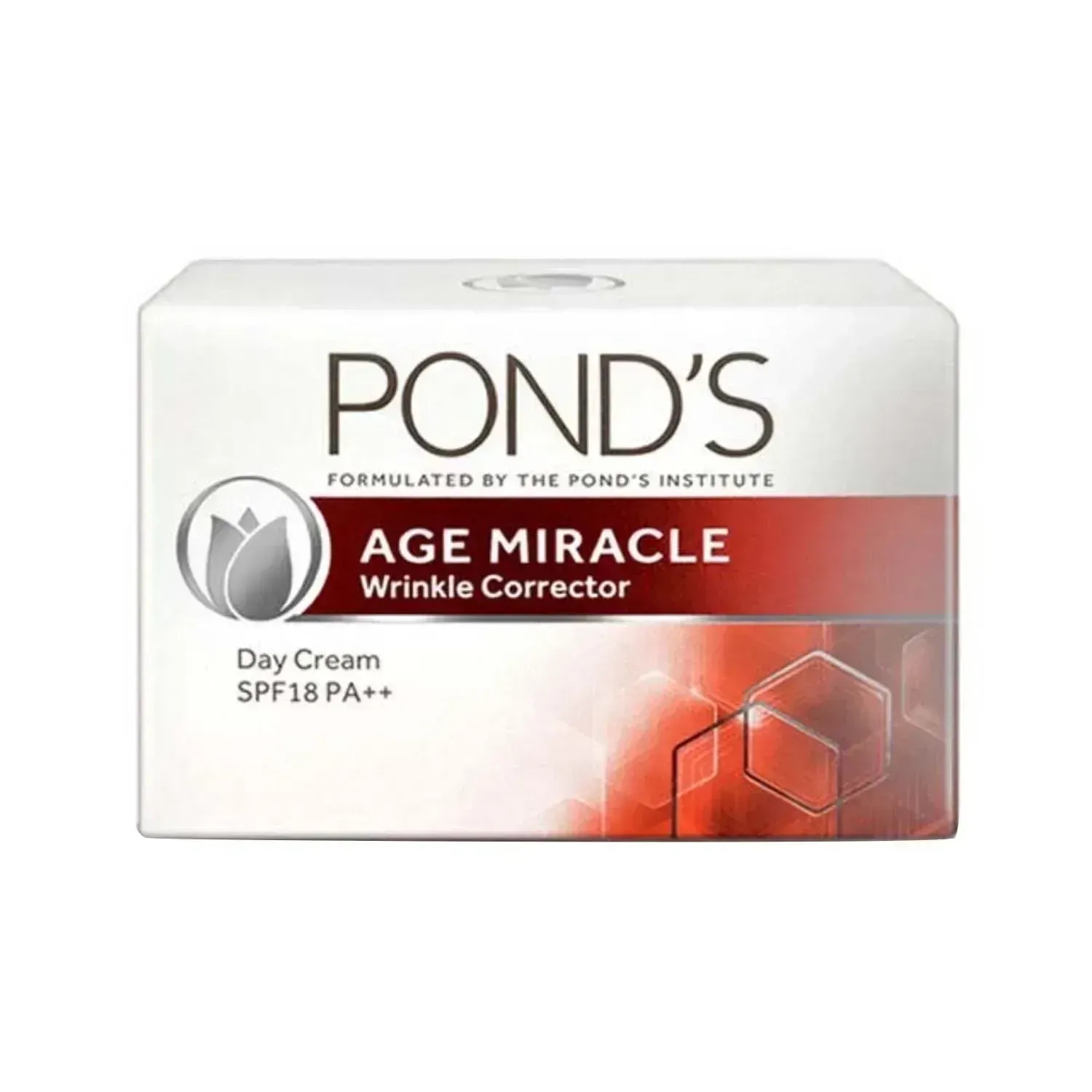
Pond's Age miracle wrinkle corr…
|
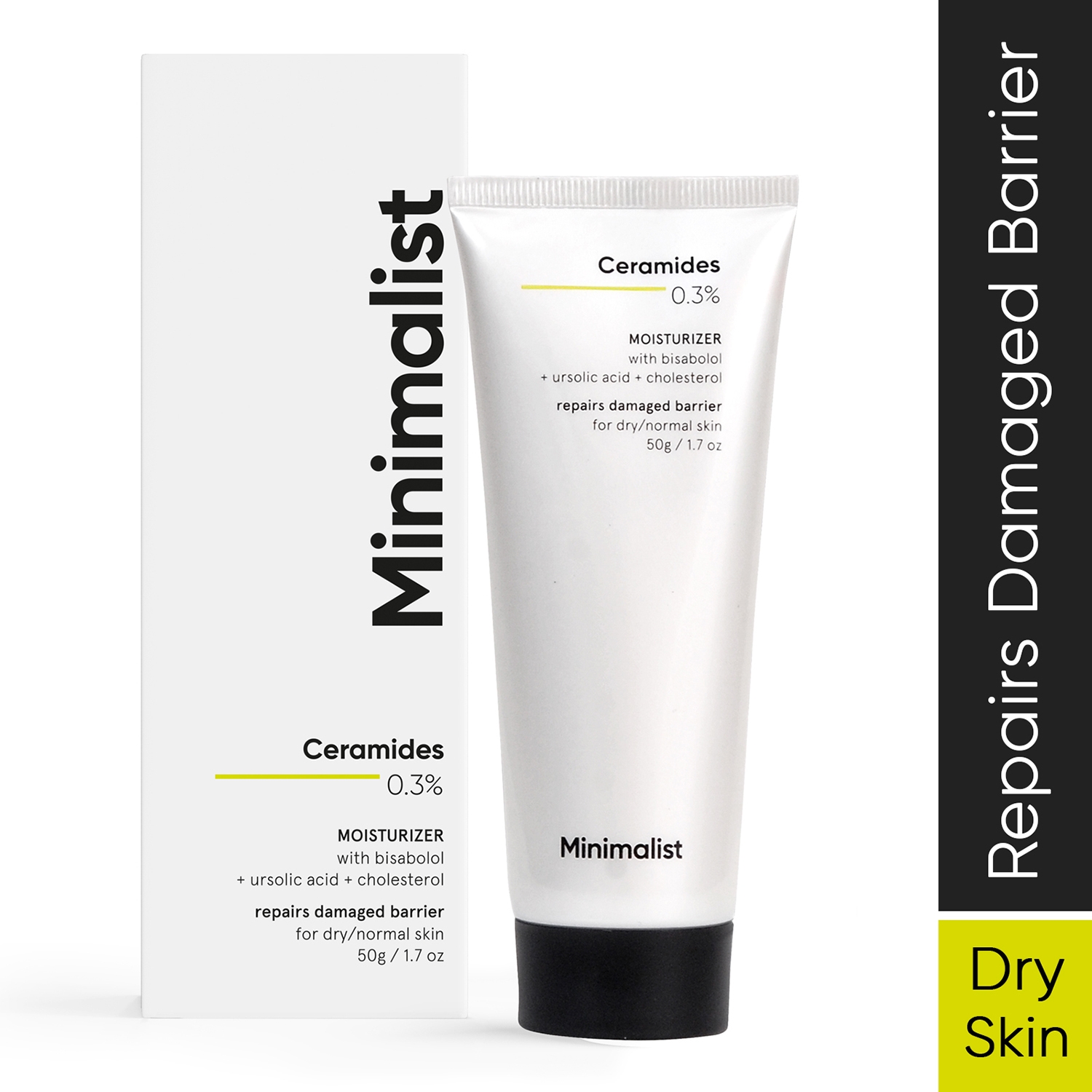
Minimalist 0.3% ceramide face moist…
|
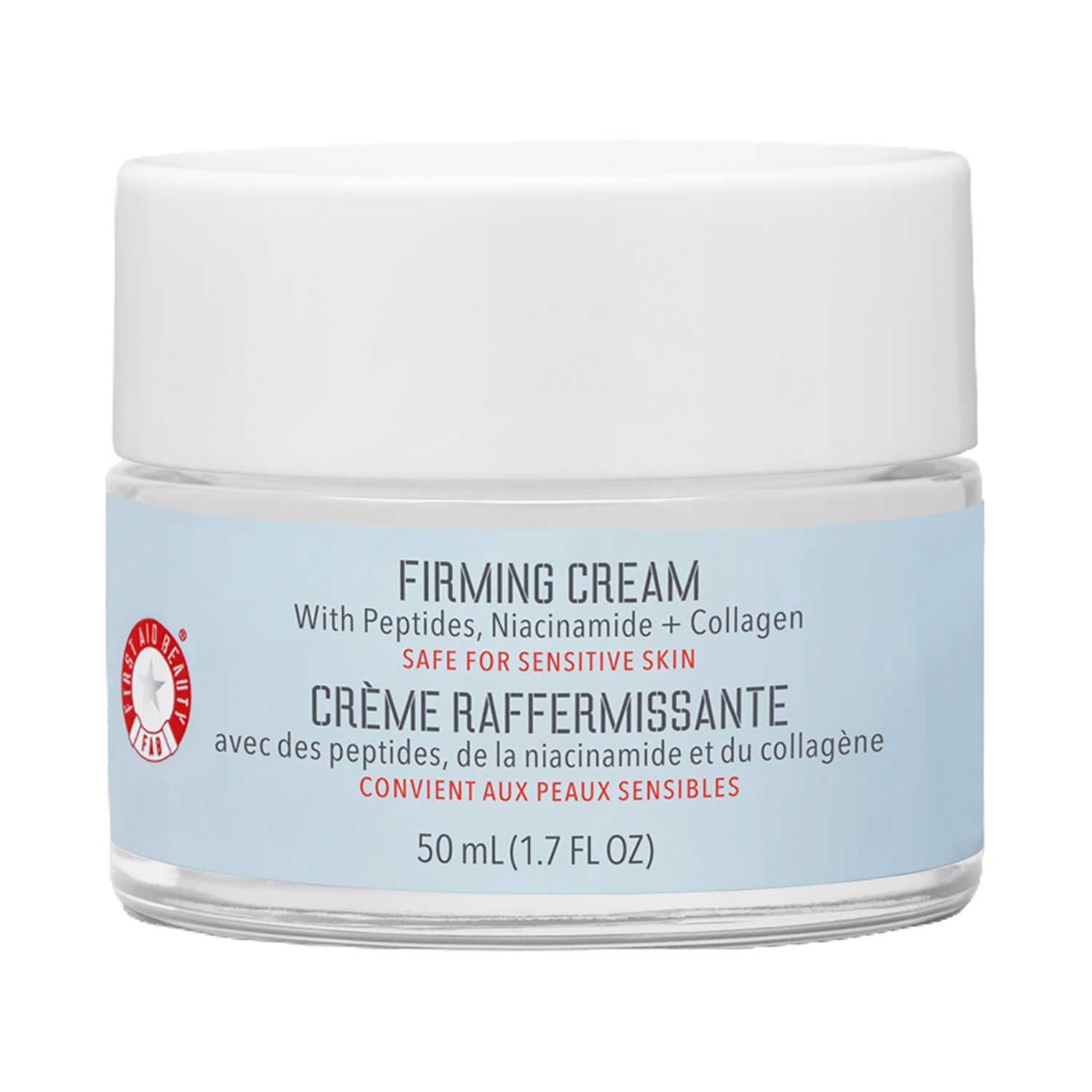
First Aid Beauty Firming collagen cream (…
|
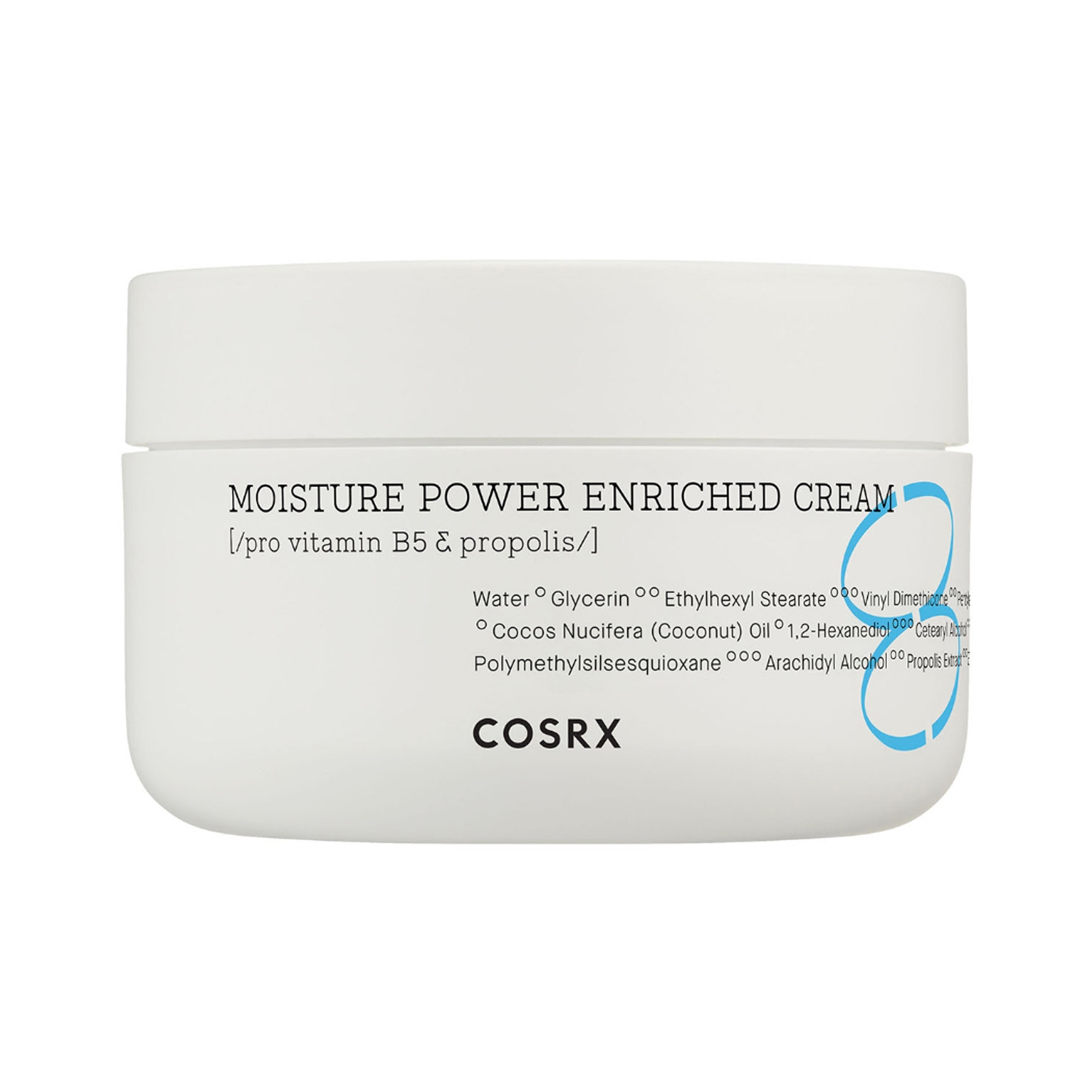
COSRX Hydrium moisture power e…
|
|
|---|---|---|---|---|---|
| Price | 389 | 825 | 599 | 4975 | 1950 |
| Ingredients Count | 41 | 54 | 41 | 31 | 36 |
| Skintype | All skin types | All skin types | Dry | Dry | Dry |
| Formulation | Cream | Cream | Cream | Cream | Cream |
 skinethix
 skinethix
 skinethix
 skinethix