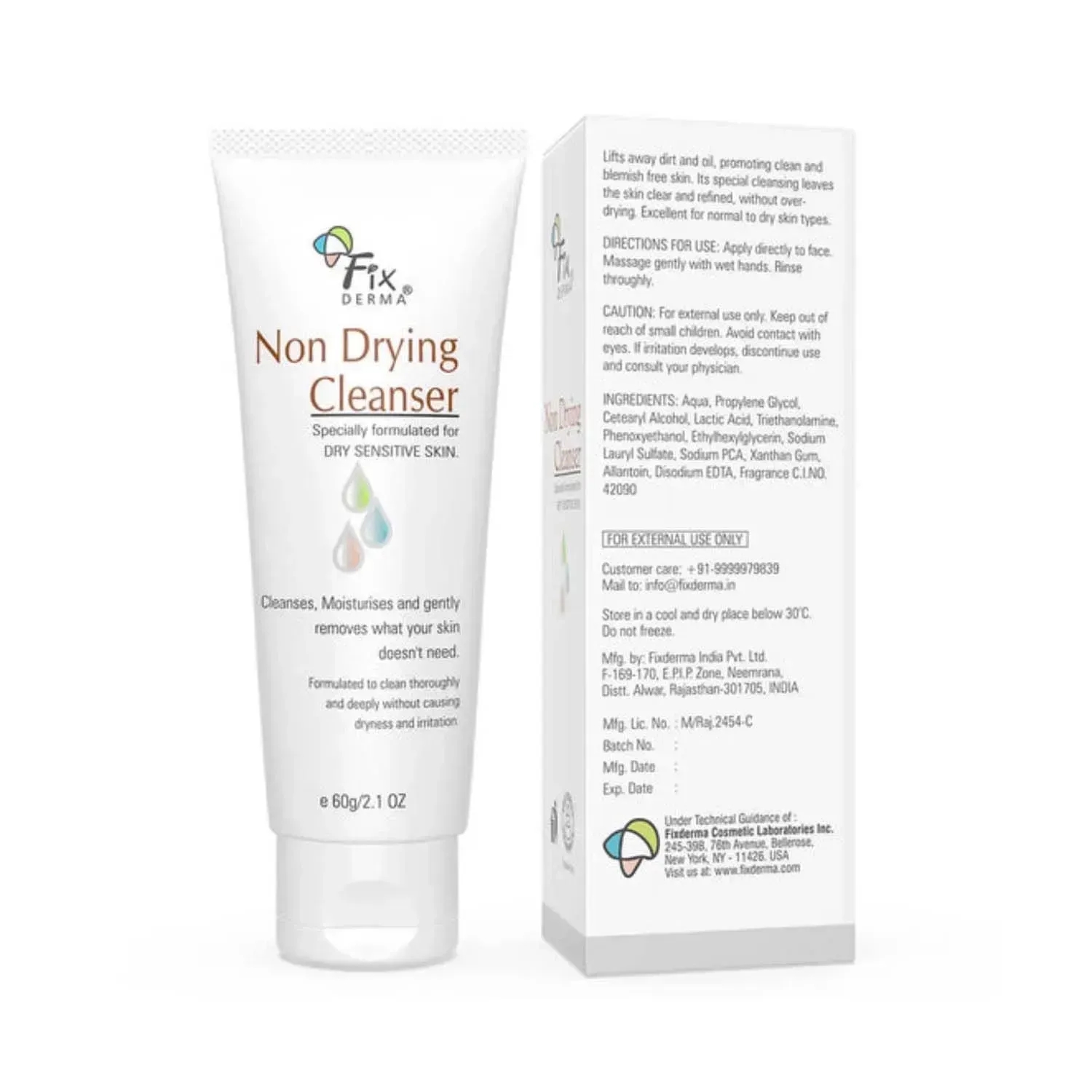
MRP : 195
This article reviews the formulations and the mode of action of hair cosmetics: Shampoos, conditioners, hair straightening products, hair dyes and henna; regarding their prescription and safetiness. Know All Details...
Propylene glycol is a synthetic ingredient commonly used in skincare products as a humectant, solvent, emollient, and preservative. It attracts water, boosts other ingredients, lightly moisturizes, addresses visible signs of aging, enhances penetration, prevents water loss, and is safe for acne-prone skin. However, it can cause allergic reactions and irritation in some individuals. It is a penetration-enhancing humectant, which means that it can allow harmful toxins to permeate the skin. Propylene glycol is also used in food, cosmetics, and pharmaceutical products, and as a base for deicing solutions. Know All Details...
Cetearyl alcohol is a fatty alcohol derived from plants like coconut and palm oil or synthesized in labs. It's used in skincare products as an emulsifier, stabilizer, and thickener. It prevents separation, encourages even application, and softens the skin. It is also used as an emollient to treat or prevent dry, rough, scaly, itchy skin and minor skin irritations. It can help ingredients penetrate the skin, preserve the product, and make it feel lightweight when applied. Know All Details...
Lactic acid is a common ingredient in skincare products. It is an alpha hydroxy acid (AHA) that helps remove dead skin cells, smooth rough areas, and moisturize the skin. Lactic acid is also used in some skincare products to improve skin texture, tone, and appearance, reduce dark spots, smooth fine lines and wrinkles, unblock and cleanse pores, thicken and tighten skin, fade sun spots, and smooth fine lines. Know All Details...
Triethanolamine (TEA) is a common ingredient in skincare products that acts as an emulsifier, pH adjuster, stabilizer, surfactant, and thickener. It helps stabilize and balance the pH of a product, emulsifies immiscible fluids, and thickens the formula. While it offers no direct benefits to the skin, it plays a crucial role in the overall performance and longevity of skincare products. Know All Details...
Phenoxyethanol is a synthetic preservative used in cosmetic products to prevent bacterial growth. It is also used as a stabilizer in perfumes and soaps. It is found in various cosmetic products like moisturizers, eye shadows, foundations, sunscreens, conditioners, mascaras, eye liners, shampoos, lip glosses, concealers, body washes, hand creams, blushes, hair colors, hair sprays, lip balms, lotions, nail polishes, baby wipes, baby lotions and soaps, soaps, shaving creams, deodorants, toothpastes, fragrances, hair removal waxes, hand sanitizers, ultrasound gels, and vaccines. Phenoxyethanol is an oily, sticky substance with a pleasant odor often compared to roses. It helps to prevent fungi, bacteria, and yeast from growing in your products, giving them a longer shelf life and ensuring safety. Know All Details...
Ethylhexylglycerin is a natural, biodegradable preservative derived from coconut or plant-based sources like soybean or palm. It is used in skincare and cosmetics as a humectant, emollient, surfactant, and preservative. It is considered safe for use on all skin types except those with an identified allergy to it and is often recommended by dermatologists. It helps keep skin moisturized and hydrated, softens and smooths skin, has antimicrobial properties that help prevent the growth of bacteria and germs, and helps prevent products from spoiling. Know All Details...
Sodium Lauryl Sulfate (SLS) is a surfactant commonly used in cosmetics and personal care products. It helps stabilize and thicken solutions with ingredients of differing solubility, allowing for easier and smoother application. SLS also possesses the capacity to alter the surface tension of the skin, making it more permeable and allowing for better absorption of skin-enhancing molecules. However, it is important to note that SLS can cause skin discomfort and dryness, especially when used in high concentrations or left on the skin for too long. Therefore, it is recommended to use SLS in conjunction with ceramides, which help replenish and address skin dryness and barrier disruption. Know All Details...
Sodium PCA, a natural humectant found in skin, helps retain moisture, resulting in a supple and youthful appearance. It is commonly used in moisturizers and is considered safe and non-irritating. It can be derived from amino acids, plants, or fruits. Know All Details...
Xanthan gum is a natural polysaccharide derived from the fermentation of glucose by the bacterium Xanthomonas campestris. It is commonly used as a thickener and stabilizer in skincare products. It is known for its ability to improve skin texture, reduce wrinkles, provide hydration and moisturize skin. It is also one of the only naturally-derived thickeners commonly used in skincare, making it a popular choice for those looking for natural skincare products. Xanthan gum can also help to stabilize emulsions, preventing the oil and water phases from separating. Know All Details...
Allantoin is a natural compound found in plants and animals, including humans. It is commonly used in skincare products for its moisturizing, soothing, and skin-healing properties. It helps treat dry, rough, and irritated skin, and is often used in products for diaper rash, skin burns, and radiation therapy. Allantoin is also used in hair care products, makeup, and infant products. It is a keratolytic agent, meaning it helps to remove dead skin cells. This can be beneficial for people with acne, as it can help to unclog pores and reduce inflammation. Allantoin can increase the water contents of cells, therefore, fighting against the damage of transepidermal water loss (TEWL) in the dermis, which keeps the skin looking plump and youthful. Allantoin promotes cell proliferation and supports overall "remodeling", helping to improve skin dullness and rejuvenate the cells. Know All Details...
Disodium EDTA is a chelating agent used in cosmetics to enhance stability and aid preservatives. It is safe for use in cosmetics up to 0.85% concentration in leave-on products. It can also enhance skin absorption of other ingredients. However, it is recommended to avoid products containing Disodium EDTA as it is a 'penetration enhancer', which means it disrupts the surface of skin cells and allows other chemicals to get in more easily. Know All Details...
Bergamot essential oil is extracted from the fruit of the Bergamot tree, which belongs to the Rutaceae family. It is known for its refreshing and stimulating scent, and it has been used for centuries in aromatherapy and skincare products. Bergamot oil has antibacterial and anti-inflammatory properties, making it beneficial for acne-prone skin. It also helps to reduce excess sebum production and tighten pores. Additionally, bergamot oil is believed to have mood-boosting and stress-relieving effects. Know All Details...
|
Fixderma Non drying cleanser (60g)
|
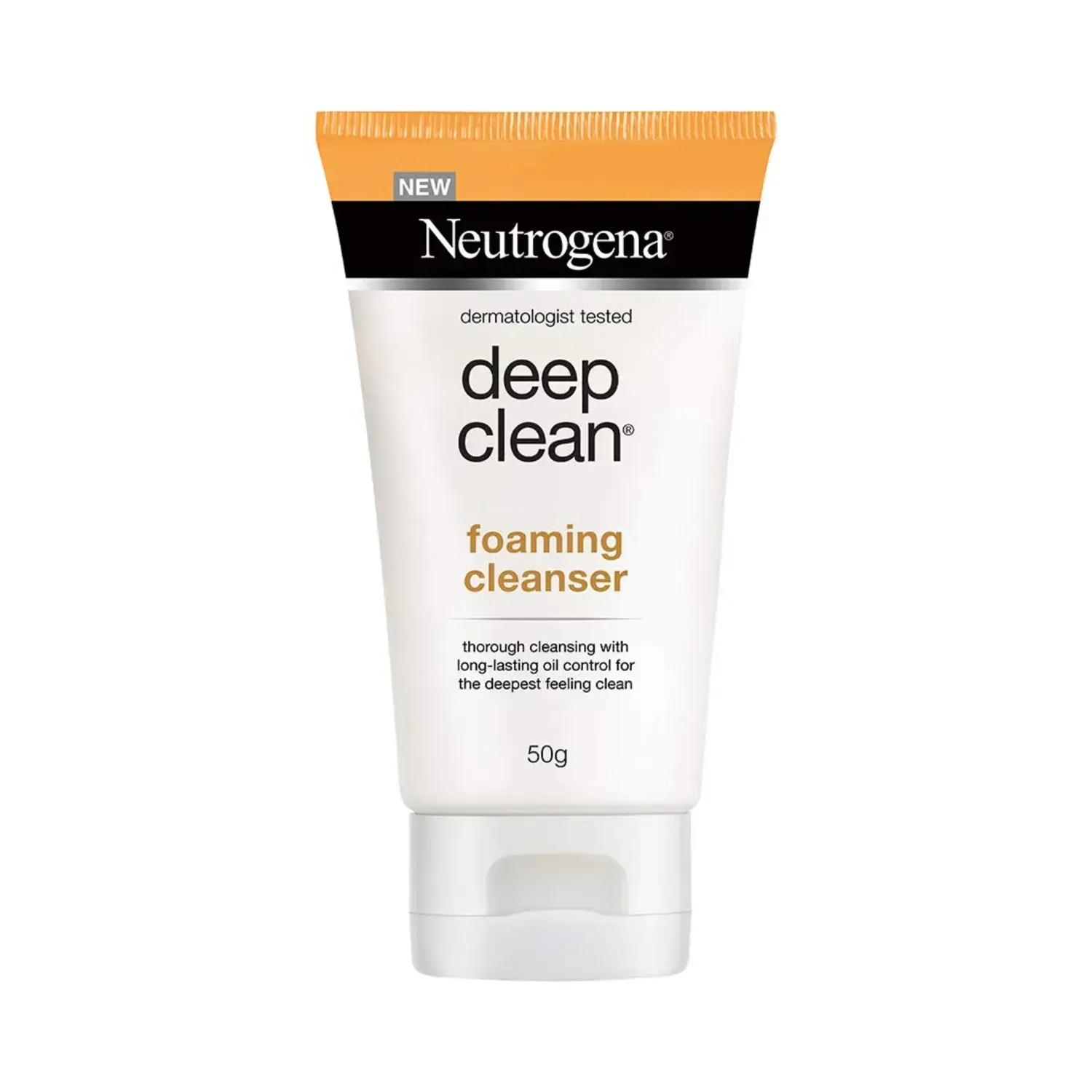
Neutrogena Deep clean gentle foamin…
|
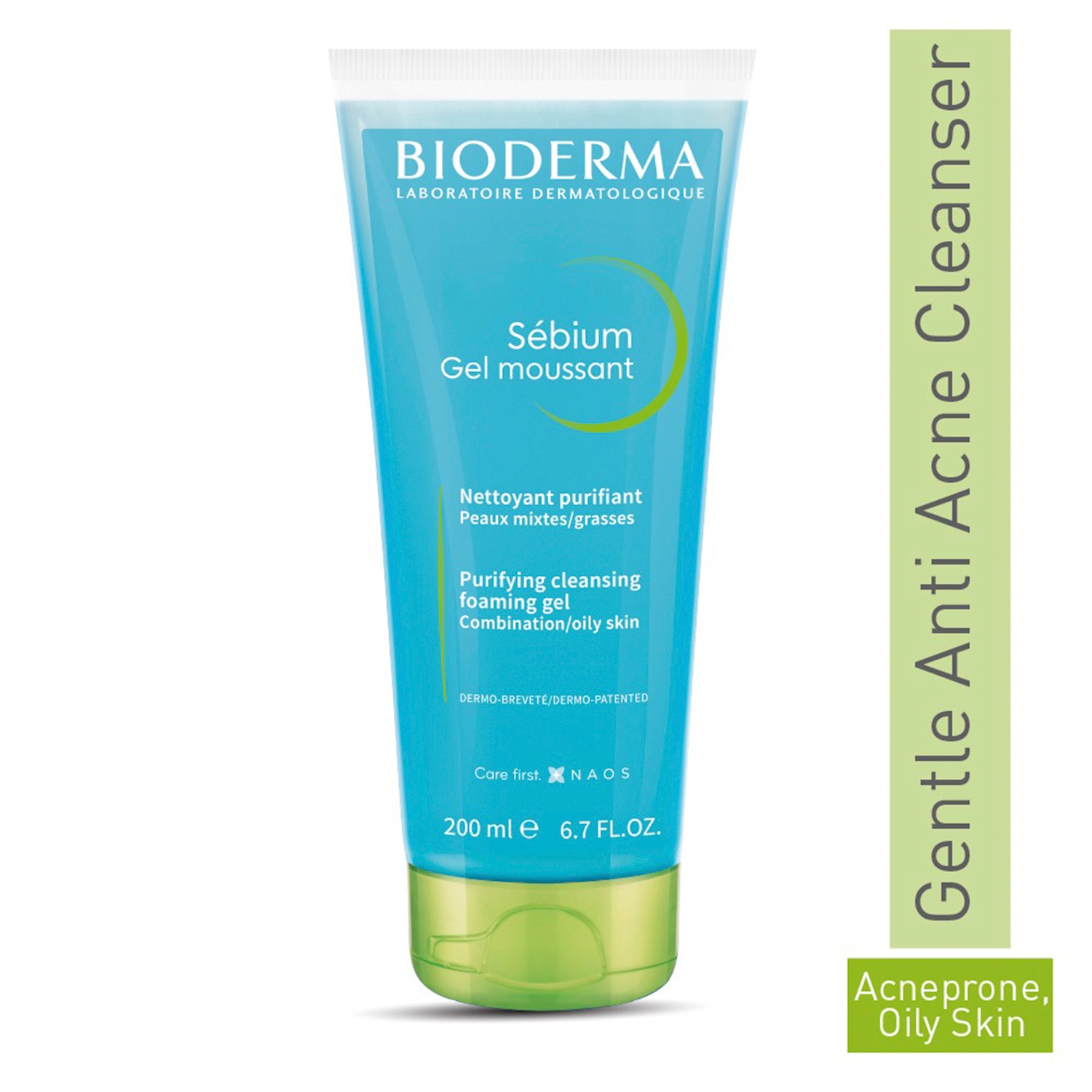
Bioderma Sebium face and body was…
|
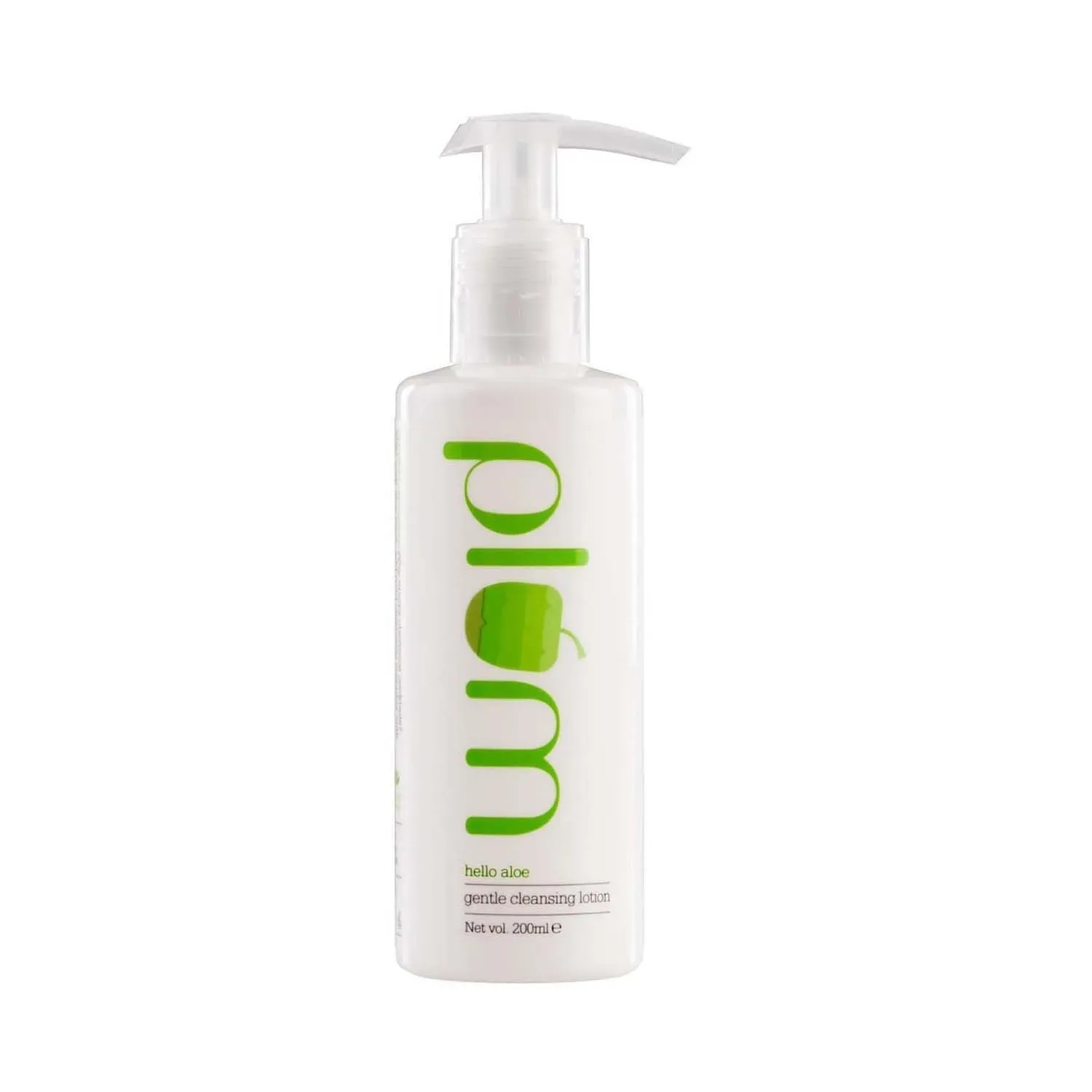
Plum Hello aloe gentle cleans…
|
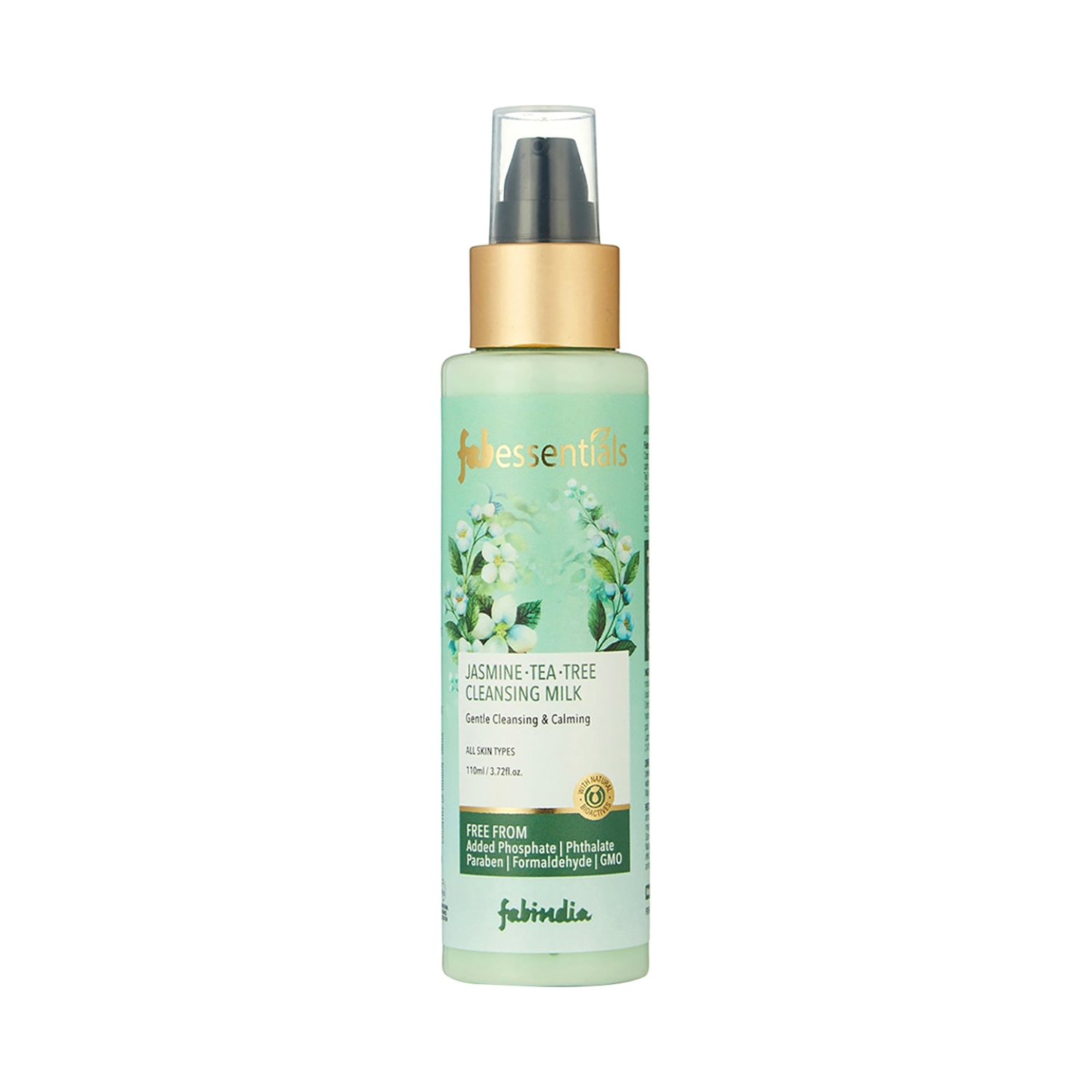
Fabessentials by Fabindia Fabessentials jasmine an…
|
|
|---|---|---|---|---|---|
| Price | 195 | 185 | 1699 | 390 | 345 |
| Ingredients Count | 13 | 18 | 20 | 13 | 27 |
| Skintype | All skin types | All skin types | Oily | Combination | All skin types |
| Formulation | Lotion | Foam | Gel | Lotion | Cleansing Milk |
 skinethix
 skinethix
 skinethix
 skinethix