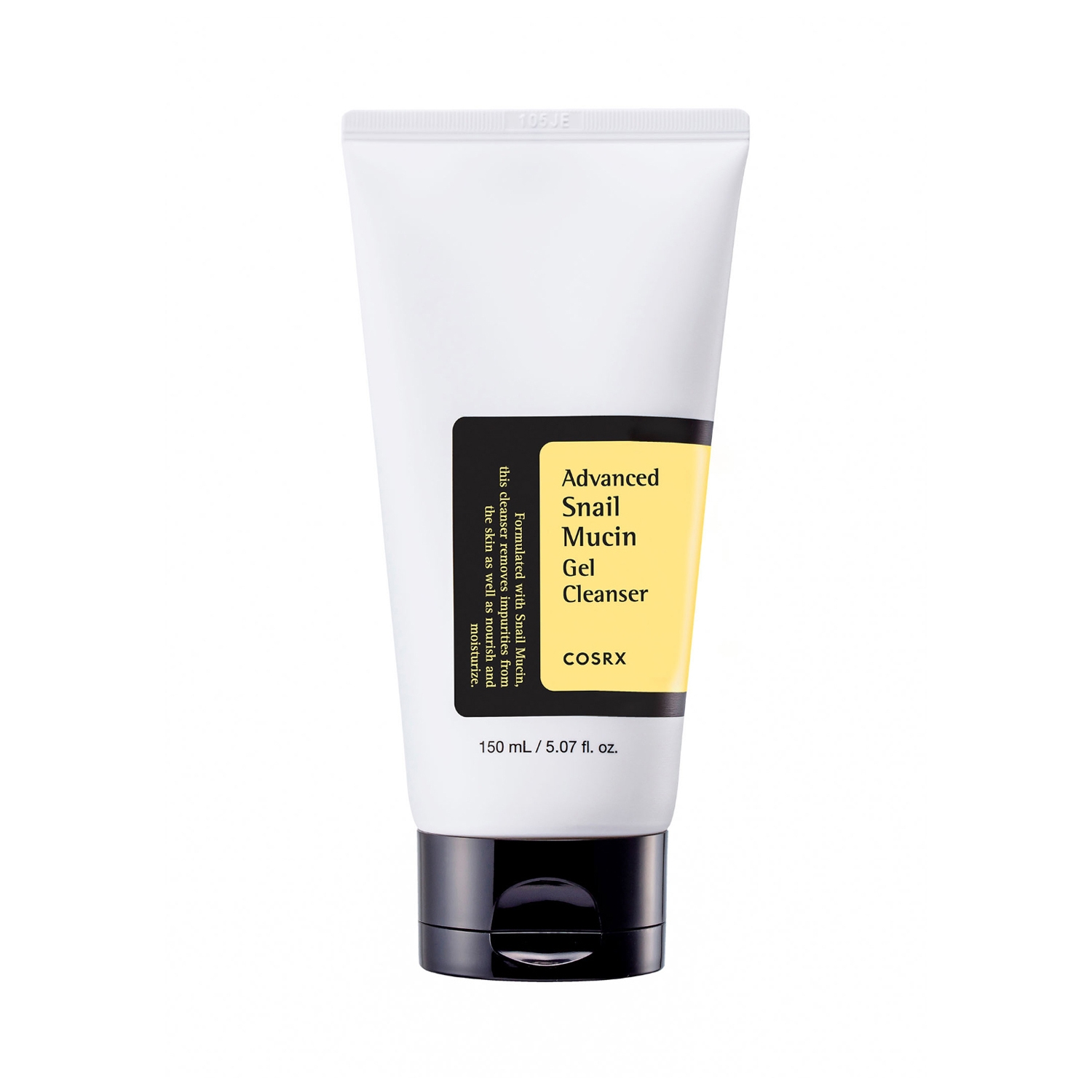
MRP : 1450
This article reviews the formulations and the mode of action of hair cosmetics: Shampoos, conditioners, hair straightening products, hair dyes and henna; regarding their prescription and safetiness. Know All Details...
Polyethylene and Acrylates Copolymer are two commonly used microplastics in cosmetics. Polyethylene is a synthetic thermoplastic polymer used to unite surfaces, dilute solids, increase thickness, and form coatings. Acrylates Copolymer is a group of polymers known for their transparency, resistance to breakage, and elasticity. They are used as stabilizers, waterproof agents, hair setters, antistatic agents, and adhesives. Styrene acrylates copolymer is a chain of polymers consisting of styrene and acrylate which is added to cosmetics for color. There is the potential for styrena acrylates copolymer to be contaminated with styrene, a possible carcinogen. Know All Details...
Butylene Glycol is a multifunctional ingredient used in cosmetics and personal care products as a humectant, carrier, antiseptic, solvent, preservative booster, and emollient. It is derived from natural renewable raw materials and is a food-grade ingredient found in various peppers. Butylene Glycol is non-irritating and sensitizing, making it suitable for all skin types. Know All Details...
Glycerin, a natural humectant found in plants, animals, and humans, is a colorless, odorless, and sweet-tasting liquid derived from fats and oils. It attracts and retains moisture from the air, making it an excellent ingredient for hydrating and moisturizing the skin. Glycerin also helps create a barrier on the skin, preventing moisture loss, and reduces the appearance of fine lines and wrinkles. Know All Details...
Disodium Laureth Sulfosuccinate (DLS) is a surfactant used in skincare products like cleansers, shampoos, and bubble baths. It is known for its gentle cleansing properties, ability to enhance the foaming properties of formulas, and its inherent acidity, which makes it easier to formulate acidic cleansers. It is a disodium salt of an ethoxylated lauryl alcohol half ester of sulfosuccinic acid. It is primarily used in cleansing products, including bubble baths, bath soaps and detergents, shampoos and shaving cream. Know All Details...
Sodium cocoyl isethionate is a mild surfactant derived from coconut oil. It is commonly used in shampoos, body washes, cleansers, and soap bars. It creates a rich lather, gently lifts away dirt and grime, and hydrates the skin. It is considered safe for sensitive skin and has been deemed safe by the Cosmetic Ingredient Review Expert Panel. Know All Details...
1,2-Hexanediol is a multi-functional ingredient used in skincare products. It can provide a soft and pleasant feel to the formula, act as a humectant and emollient, stabilize perfumes in watery products, disperse pigments evenly in makeup products, and boost the antimicrobial activity of preservatives. Know All Details...
Coco Glucoside is a natural, gentle, and environmentally-friendly cleansing agent and surfactant derived from the reaction of glucose with fatty alcohols from coconut oil or palm oil. It is known for its non-greasy hydrating properties, conditioning abilities, and foaming properties. It is suitable for all skin types, including sensitive skin and acne-prone complexions. Know All Details...
Lauryl betaine is a cleansing agent used in skincare products, particularly in rinse-off products like cleansers, shampoos, and body washes. It helps stabilize foam and is often used as a secondary surfactant or a booster to enhance the performance of other surfactants. Lauryl betaine is generally considered safe for use in cosmetics and personal care products, according to the Cosmetic Ingredient Review Expert Panel. It can be derived from plants or created synthetically. Lauryl betaine is a zwitterion (inner salt). It is a non-ionic surfactant, which means it has a neutral charge and is compatible with other surfactants. Know All Details...
Snail mucin, also known as snail slime, is a natural ingredient that has been used in skincare for centuries. It is rich in nutrients and antioxidants, and it has been shown to have a number of benefits for the skin, including hydration, anti-aging, wound healing, antibacterial, and anti-inflammatory properties. Snail mucin is suitable for all skin types, including sensitive skin. Know All Details...
Arginine is an amino acid that helps the body build protein. It is generally considered safe for topical use and oral consumption. Arginine is found in most protein-rich foods, including fish, red meat, poultry, soy, whole grains, beans and dairy products. It is also available as a supplement in oral and topical forms. L-arginine is also being explored for its potential use in cosmetic surfactants as a more biocompatible alternative to traditional forms. Know All Details...
Tromethamine is a synthetic skincare and cosmetic ingredient used as a pH adjuster and fragrance ingredient. It helps maintain the skin's normal pH, preventing irritation and ensuring optimal product absorption. Tromethamine is generally considered safe for use in cosmetics, but it may cause skin irritation in some individuals. Know All Details...
Sodium Cocoyl Glycinate is an amino acid-derived cleansing agent that is mild, non-drying, and non-irritating to the skin. It is often used in hair care products as well. It can be derived from animal, plant, or synthetic sources, but it is typically created from coconut fatty acids and the amino acid glycine. It is also a gentle alternative to traditional sulfates, creating a dense, creamy foam lather while being extra gentle on the skin. Know All Details...
Bergamot essential oil is extracted from the fruit of the Bergamot tree, which belongs to the Rutaceae family. It is known for its refreshing and stimulating scent, and it has been used for centuries in aromatherapy and skincare products. Bergamot oil has antibacterial and anti-inflammatory properties, making it beneficial for acne-prone skin. It also helps to reduce excess sebum production and tighten pores. Additionally, bergamot oil is believed to have mood-boosting and stress-relieving effects. Know All Details...
Carbomer is a synthetic polymer commonly used in cosmetics and personal care products as a thickening agent, emulsifier, and stabilizer. It is generally considered safe for use on the skin, with a low risk of irritation and sensitization. Carbomer helps improve the texture and consistency of products, making them smooth and creamy. It is also used in various industries, including food, detergent, and paint manufacturing. Know All Details...
Sodium chloride, commonly known as table salt, is a multifunctional ingredient used in cosmetics and skincare products as a binder, oral care agent, gentle abrasive, thickening agent, and preservative. It is generally considered safe for use in cosmetics and is non-irritating and non-drying. However, it can potentially dehydrate the skin if used in high concentrations. Sodium chloride is also used as an exfoliant in body and face scrubs to remove makeup, excess oil, dirt, and other impurities. Know All Details...
Ethylhexylglycerin is a natural, biodegradable preservative derived from coconut or plant-based sources like soybean or palm. It is used in skincare and cosmetics as a humectant, emollient, surfactant, and preservative. It is considered safe for use on all skin types except those with an identified allergy to it and is often recommended by dermatologists. It helps keep skin moisturized and hydrated, softens and smooths skin, has antimicrobial properties that help prevent the growth of bacteria and germs, and helps prevent products from spoiling. Know All Details...
Acrylates/C10-30 Alkyl Acrylate Crosspolymer is a polymer molecule that acts as a thickener and emulsion stabilizer in skincare products. It is commonly found in gel-type formulas and cleansers. This ingredient is part water-loving and part oil-loving, making it compatible with both water-based and oil-based ingredients. Know All Details...
Information Unavailable at the moment Know All Details...
Disodium EDTA is a chelating agent used in cosmetics to enhance stability and aid preservatives. It is safe for use in cosmetics up to 0.85% concentration in leave-on products. It can also enhance skin absorption of other ingredients. However, it is recommended to avoid products containing Disodium EDTA as it is a 'penetration enhancer', which means it disrupts the surface of skin cells and allows other chemicals to get in more easily. Know All Details...
|
COSRX Advanced snail mucin gel clea…
|
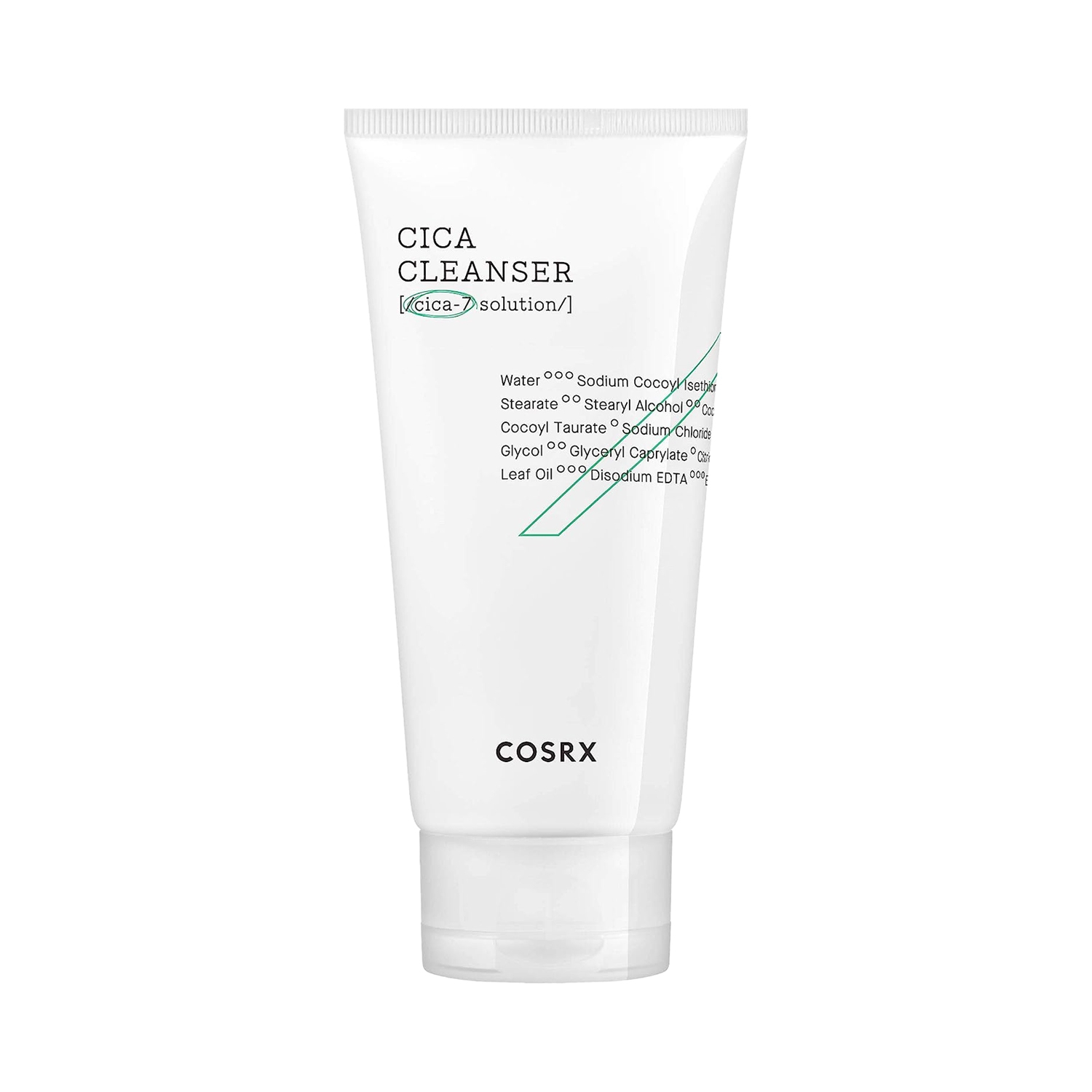
COSRX Pure fit cica cleanser (…
|
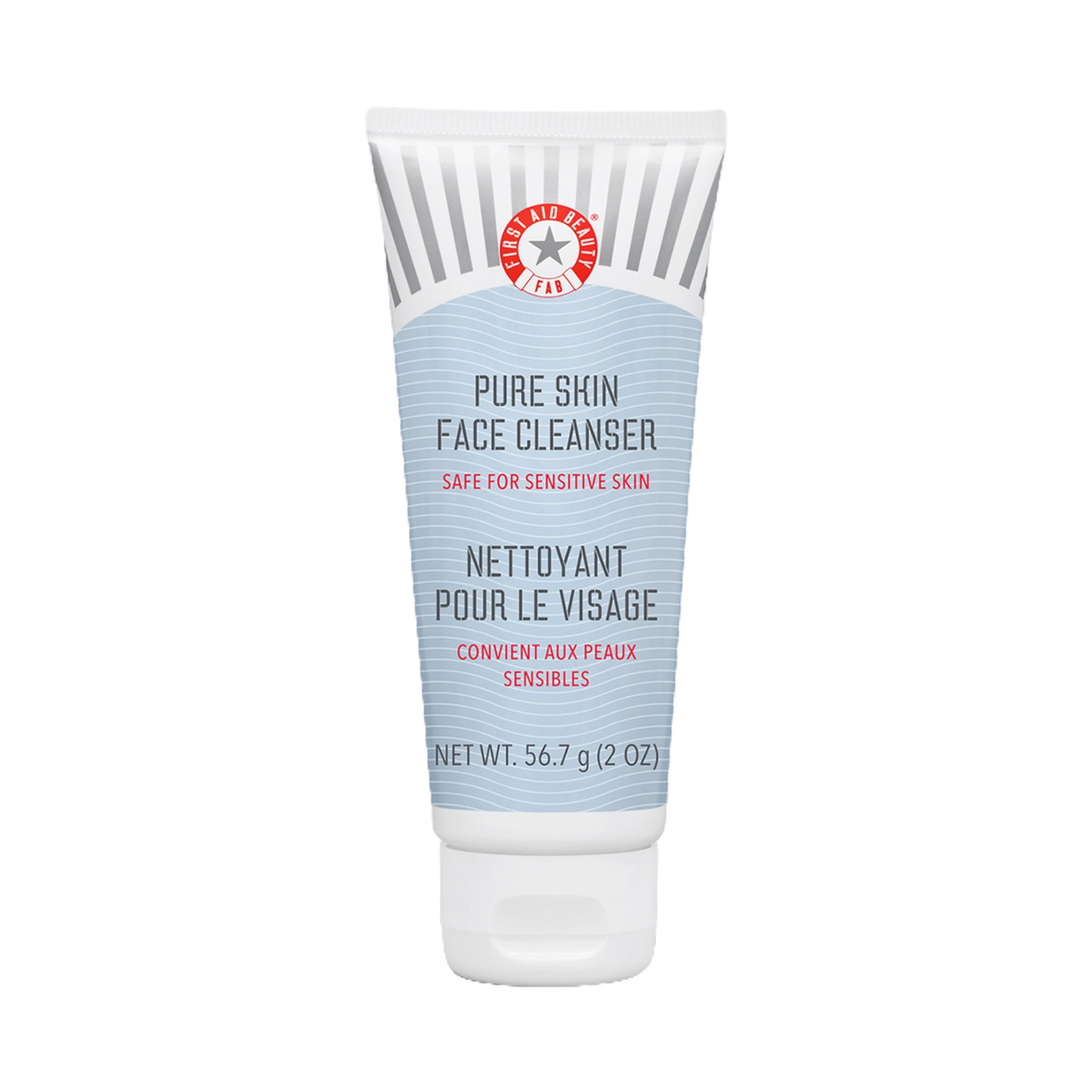
First Aid Beauty Pure skin face cleanser …
|
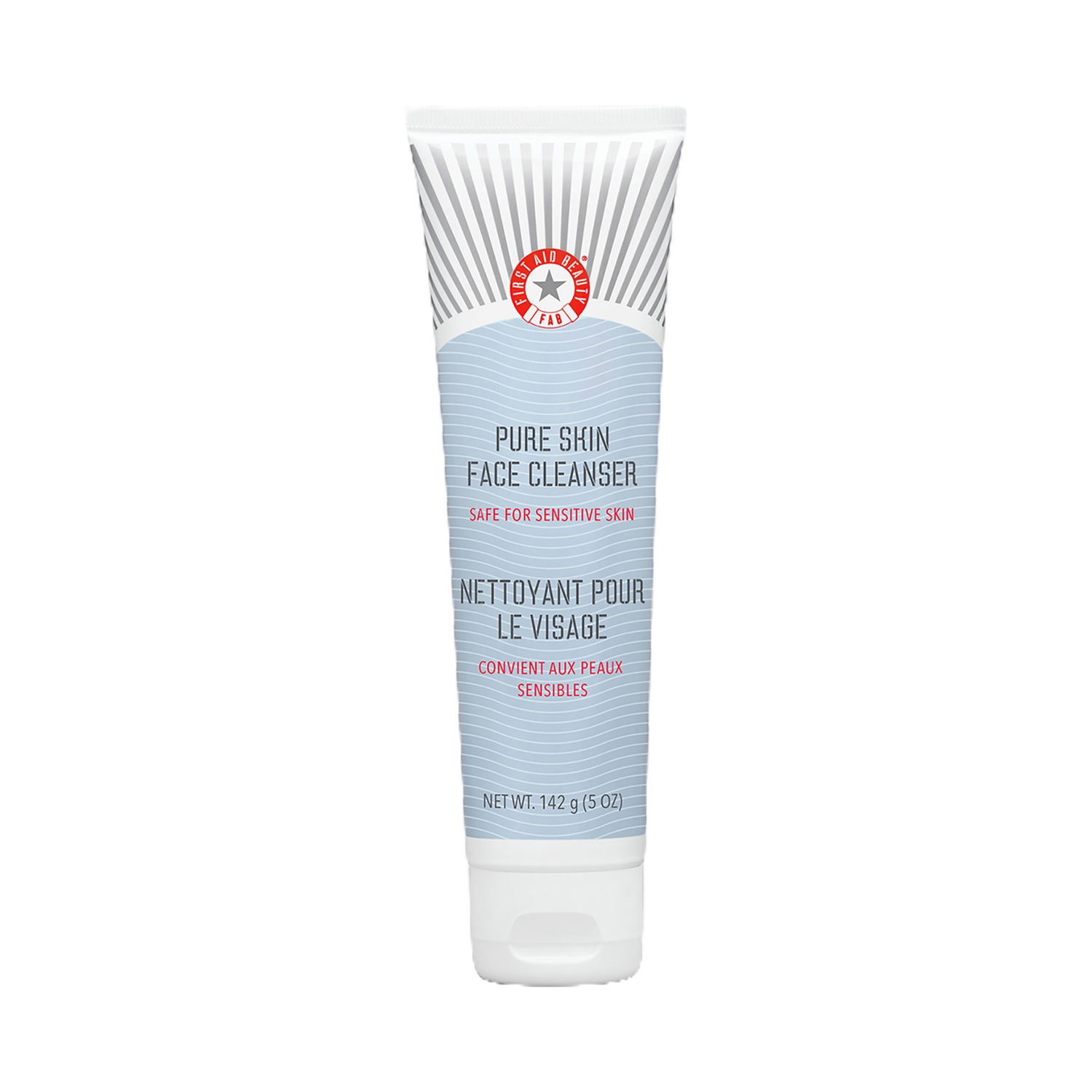
First Aid Beauty Pure skin face cleanser …
|
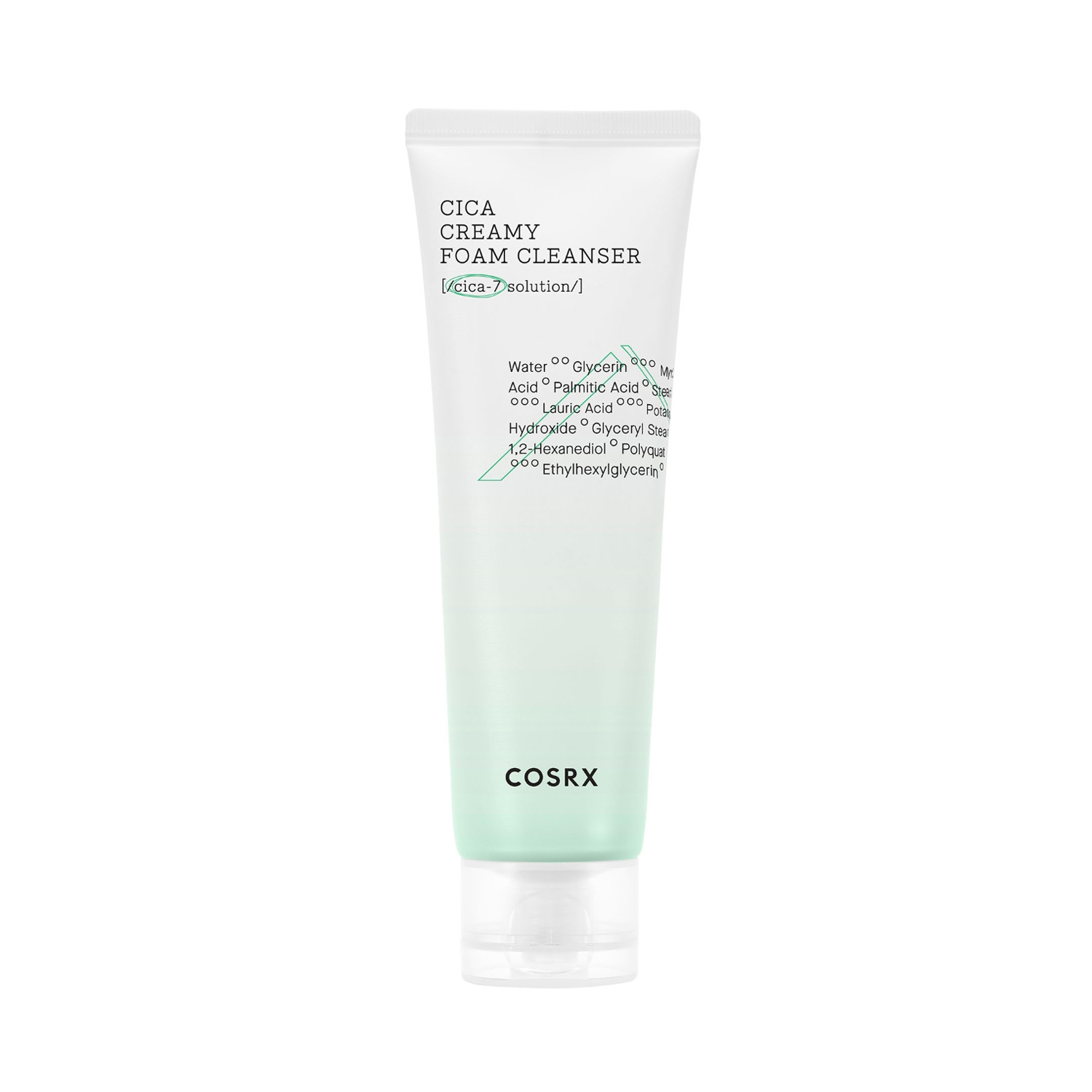
COSRX Pure fit cica creamy foa…
|
|
|---|---|---|---|---|---|
| Price | 1450 | 1050 | 1350 | 2725 | 1050 |
| Ingredients Count | 20 | 39 | 27 | 27 | 39 |
| Skintype | All skin types | Normal | All skin types | All skin types | Oily |
| Formulation | Gel | Cleansing Milk | Cream | Cream | Foam |
 skinethix
 skinethix
 skinethix
 skinethix