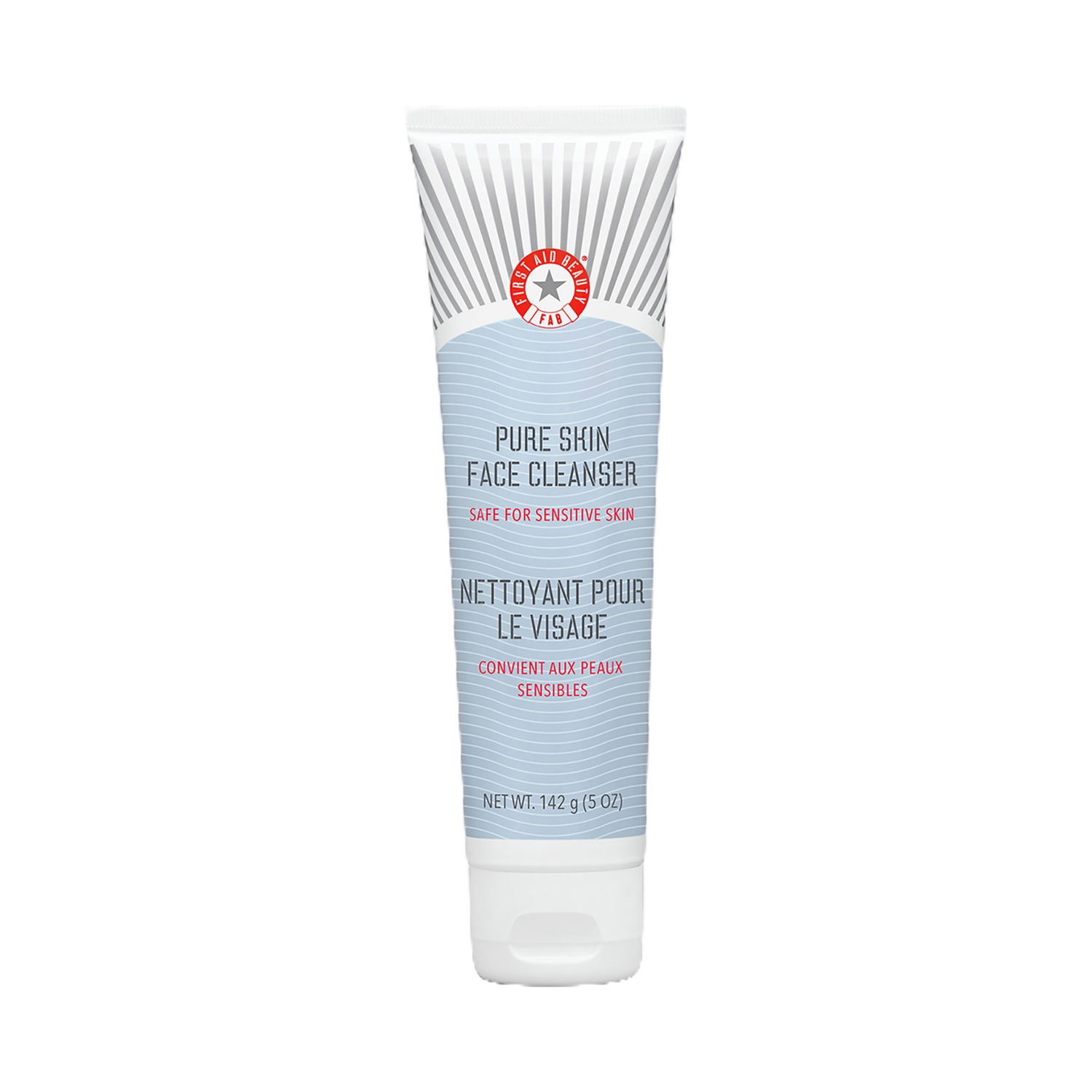
MRP : 2725
This article reviews the formulations and the mode of action of hair cosmetics: Shampoos, conditioners, hair straightening products, hair dyes and henna; regarding their prescription and safetiness. Know All Details...
Sodium cocoyl isethionate is a mild surfactant derived from coconut oil. It is commonly used in shampoos, body washes, cleansers, and soap bars. It creates a rich lather, gently lifts away dirt and grime, and hydrates the skin. It is considered safe for sensitive skin and has been deemed safe by the Cosmetic Ingredient Review Expert Panel. Know All Details...
Glycerin, a natural humectant found in plants, animals, and humans, is a colorless, odorless, and sweet-tasting liquid derived from fats and oils. It attracts and retains moisture from the air, making it an excellent ingredient for hydrating and moisturizing the skin. Glycerin also helps create a barrier on the skin, preventing moisture loss, and reduces the appearance of fine lines and wrinkles. Know All Details...
Stearic acid is a waxy, colorless or white solid with a mild odor. It is derived from both animal and vegetable sources, with palm oil being a common plant-based source. Stearic acid is a long-chain fatty acid with 18 carbon atoms, also known as Octadecanoic Acid. It is commonly used in cosmetics, food, and pharmaceutical industries for its stability, thickening, and emulsifying properties. Know All Details...
Hydrogenated coconut acid is a derivative of coconut oil that is obtained through a process called hydrogenation. It is a white or cream-colored solid with a mild odor. Hydrogenated coconut acid is used in cosmetics and personal care products as a thickener, stabilizer, and emollient. It is also used in food products as a fat substitute. It is generally considered safe for use in cosmetics and skincare products, but its specific impact on acne-prone skin may vary from person to person. Know All Details...
Sodium cocoyl isethionate is a gentle surfactant derived from coconut oil. It is commonly found in shampoos, body washes, cleansers, and soap bars. It creates a rich lather, gently lifts away dirt and grime, and hydrates the skin. It is suitable for all skin types, particularly those with sensitive or dry skin. It is also known as Baby Foam due to its exceptional mildness. Know All Details...
Stearyl alcohol is a fatty alcohol used as an emollient and to help keep other ingredients intact in a formulation. It is not to be confused with the drying, irritating types of alcohol such as SD alcohol or denatured alcohol. This versatile ingredient also has cleansing and foam-boosting properties and isn’t considered drying on skin. Know All Details...
Allantoin is a natural compound found in plants and animals, including humans. It is commonly used in skincare products for its moisturizing, soothing, and skin-healing properties. It helps treat dry, rough, and irritated skin, and is often used in products for diaper rash, skin burns, and radiation therapy. Allantoin is also used in hair care products, makeup, and infant products. It is a keratolytic agent, meaning it helps to remove dead skin cells. This can be beneficial for people with acne, as it can help to unclog pores and reduce inflammation. Allantoin can increase the water contents of cells, therefore, fighting against the damage of transepidermal water loss (TEWL) in the dermis, which keeps the skin looking plump and youthful. Allantoin promotes cell proliferation and supports overall "remodeling", helping to improve skin dullness and rejuvenate the cells. Know All Details...
Chrysanthemum Parthenium Flower Extract, also known as feverfew extract, is a plant extract with antioxidant and anti-inflammatory properties. It is used in skincare products to soothe irritated skin, improve skin texture, and reduce signs of aging. However, it's important to ensure that the extract is parthenolide-free, as parthenolide can cause skin sensitization. Know All Details...
Camellia sinensis leaf extract, also known as green tea extract, is a concentrated form of the beneficial compounds found in tea, especially green tea. It is rich in catechins, caffeine, and L-theanine, which are responsible for its various health benefits. These benefits include improved skin health, heart health, anticancer effects, immune system boosting, stress and anxiety reduction, and potential weight loss. However, it may cause side effects such as jitteriness, headaches, skin rashes, nausea, diarrhea, and in rare cases, liver toxicity. Know All Details...
Glycyrrhiza Glabra Root Extract, also known as Licorice Root, is a skincare ingredient with skin-lightening, anti-inflammatory, antioxidant, and anti-aging properties. It is extracted from the roots of the licorice plant, which is native to the Mediterranean Sea, the Middle East, and central and southern Russia. Licorice root extract is also known for its potential benefits in treating skin conditions like acne and eczema, reducing acid reflux and indigestion, and aiding upper respiratory conditions. Know All Details...
Aloe vera, also known as Aloe Barbadensis, is a succulent plant with numerous benefits for the skin. It is suitable for all skin types, particularly dry, damaged, broken, sensitive, and irritated skin. Its anti-inflammatory, antimicrobial, antioxidant, humectant, and soothing properties make it a popular ingredient in skincare products. However, excessive oral consumption of Aloe vera may cause adverse effects, including intestinal tumors in rodents. Know All Details...
Vitamin E is a fat-soluble antioxidant that protects the skin from various deleterious effects due to solar radiation by acting as a free-radical scavenger. It is found in our sebum (skin oil), which creates a natural barrier to keep moisture in your skin. It is also depleted by ultraviolet light (UV) sources like sunlight, tanning beds, and some fluorescent, halogen, and incandescent light bulbs. Vitamin E acetate is strongly linked to the EVALI outbreak. Vitamin E acetate has been found in product samples tested by FDA and state laboratories and in patient lung fluid samples tested by CDC from geographically diverse states. Know All Details...
Hydrogenated Palm Glycerides Citrate is a citric acid ester of Hydrogenated Palm Glycerides. It is used in various skincare products like concealers, body washes, lipsticks, facial cleansers, and around-eye creams. It is considered safe for use in skincare products. Hydrogenated Palm Glycerides are the fatty acid component of palm oil. Hydrogenation allows the oily liquid to remain in a solid state at room temperature. It is also used in First Aid Beauty Face Cleanser, which is a fragrance-free, gentle cleanser with a whipped, creamy texture that lathers nicely. Know All Details...
Phenoxyethanol is a synthetic preservative used in cosmetic products to prevent bacterial growth. It is also used as a stabilizer in perfumes and soaps. It is found in various cosmetic products like moisturizers, eye shadows, foundations, sunscreens, conditioners, mascaras, eye liners, shampoos, lip glosses, concealers, body washes, hand creams, blushes, hair colors, hair sprays, lip balms, lotions, nail polishes, baby wipes, baby lotions and soaps, soaps, shaving creams, deodorants, toothpastes, fragrances, hair removal waxes, hand sanitizers, ultrasound gels, and vaccines. Phenoxyethanol is an oily, sticky substance with a pleasant odor often compared to roses. It helps to prevent fungi, bacteria, and yeast from growing in your products, giving them a longer shelf life and ensuring safety. Know All Details...
Disodium Cocoamphodiacetate is a mild and non-irritating cleansing agent derived from coconut oil. It is an amphoteric surfactant, meaning it has both a positively and negatively charged part in its structure. It is commonly used in personal care products like shampoos, body washes, and facial cleansers for its foaming abilities and gentle cleansing properties. Know All Details...
Sodium PCA, a natural humectant found in skin, helps retain moisture, resulting in a supple and youthful appearance. It is commonly used in moisturizers and is considered safe and non-irritating. It can be derived from amino acids, plants, or fruits. Know All Details...
Hydroxypropyl Methylcellulose (HPMC) is a semi-synthetic polymer used in skincare as a film-forming substance, binding agent, emulsion stabilizer, and texture enhancer. It is a hydrophilic (water-loving) modified cellulose polymer that's water soluble. It appears as a white or off-white powder in its raw material form and is typically sourced from cotton. It is safe for use in cosmetics and has a CIR rating of Good. Know All Details...
Coco Glucoside is a natural, gentle, and environmentally-friendly cleansing agent and surfactant derived from the reaction of glucose with fatty alcohols from coconut oil or palm oil. It is known for its non-greasy hydrating properties, conditioning abilities, and foaming properties. It is suitable for all skin types, including sensitive skin and acne-prone complexions. Know All Details...
Glyceryl oleate is a fatty acid derived from vegetable oils. It is commonly used in cosmetics and personal care products, particularly in lipsticks, eye shadows, makeup bases, and skincare products. It helps combine substances with different polarities, forming stable emulsions, acts as an emollient, softening and smoothing the skin, and helps build viscosity in cosmetic products, giving them a thicker consistency. Know All Details...
Sodium chloride, commonly known as table salt, is a multifunctional ingredient used in cosmetics and skincare products as a binder, oral care agent, gentle abrasive, thickening agent, and preservative. It is generally considered safe for use in cosmetics and is non-irritating and non-drying. However, it can potentially dehydrate the skin if used in high concentrations. Sodium chloride is also used as an exfoliant in body and face scrubs to remove makeup, excess oil, dirt, and other impurities. Know All Details...
Disodium EDTA is a chelating agent used in cosmetics to enhance stability and aid preservatives. It is safe for use in cosmetics up to 0.85% concentration in leave-on products. It can also enhance skin absorption of other ingredients. However, it is recommended to avoid products containing Disodium EDTA as it is a 'penetration enhancer', which means it disrupts the surface of skin cells and allows other chemicals to get in more easily. Know All Details...
Citric Acid is a weak acid found naturally in citrus fruits like lemons and limes. It is also used as an additive in processed foods, medicines, personal care products, and cleaning products. Citric Acid has protective antioxidant, and corrective antiaging effects helping to reverse visible signs of photodamage. It exfoliates the upper layer of dead skin cells to help clean pores, even skin tone and soften and smooth the skin. It also helps maintain the skin's pH levels. Know All Details...
Potassium sorbate is a preservative used in skincare and cosmetics to extend shelf life and maintain product stability. It has antibacterial and antifungal properties, preventing the growth of harmful microorganisms, bacteria, fungi, and mold. Potassium sorbate is generally considered safe for use in skincare products, with a low risk of irritation. Know All Details...
Sodium benzoate is a preservative used in cosmetics, personal care products, and food to prevent the growth of microorganisms. It is effective against fungi and bacteria, but it is not a broad-spectrum preservative and should be combined with other preservatives. Sodium benzoate is generally safe for use in cosmetics, but it can cause allergic contact dermatitis in some people, especially those with sensitive skin or a history of skin allergies. It can also interact with vitamin C to produce benzene, a known carcinogen. Know All Details...
Maltodextrin is a polysaccharide derived from plants like rice, corn, or potato. It is used in cosmetics and personal care products as a binding agent, moisturizer, and film-forming agent. It helps to improve the texture of products, stabilize emulsions, and absorb excess oil. Maltodextrin is generally considered safe for use in skincare products and is suitable for all skin types except those with an identified allergy to it. Know All Details...
Tetrasodium EDTA is a chelating agent used in cosmetics to bind metals and prevent them from reacting negatively with other ingredients. It helps soaps and lotions lather better and foam properly. It also prevents the growth of fungi and mold, protects fragrances, and works well in hard water. However, it is made from known carcinogens, formaldehyde, and sodium cyanide, and can irritate the skin and eyes. It also increases the penetrability of the natural skin barrier and allows deeper penetration by other ingredients. Know All Details...
|
First Aid Beauty Pure skin face cleanser (142g)
|
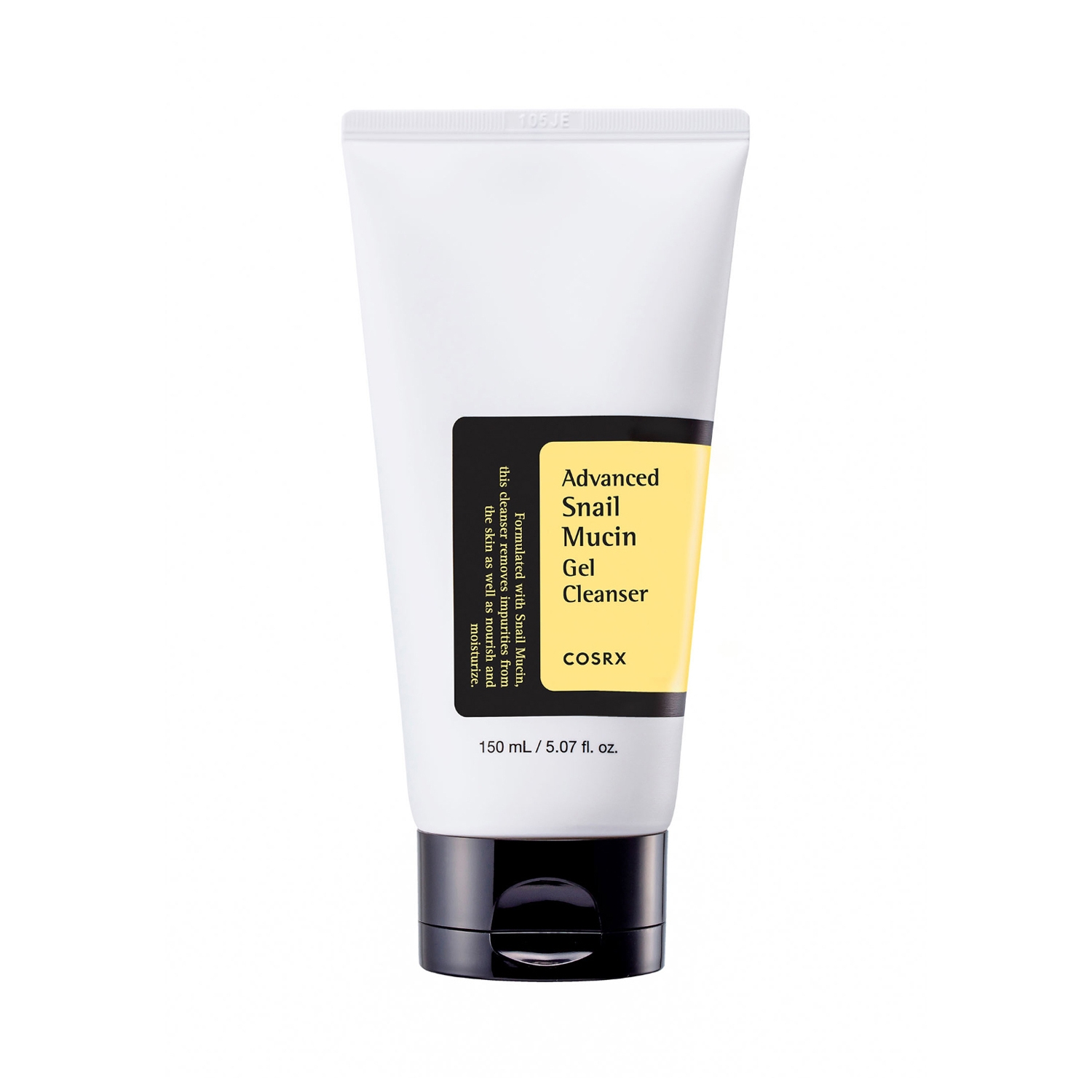
COSRX Advanced snail mucin gel…
|
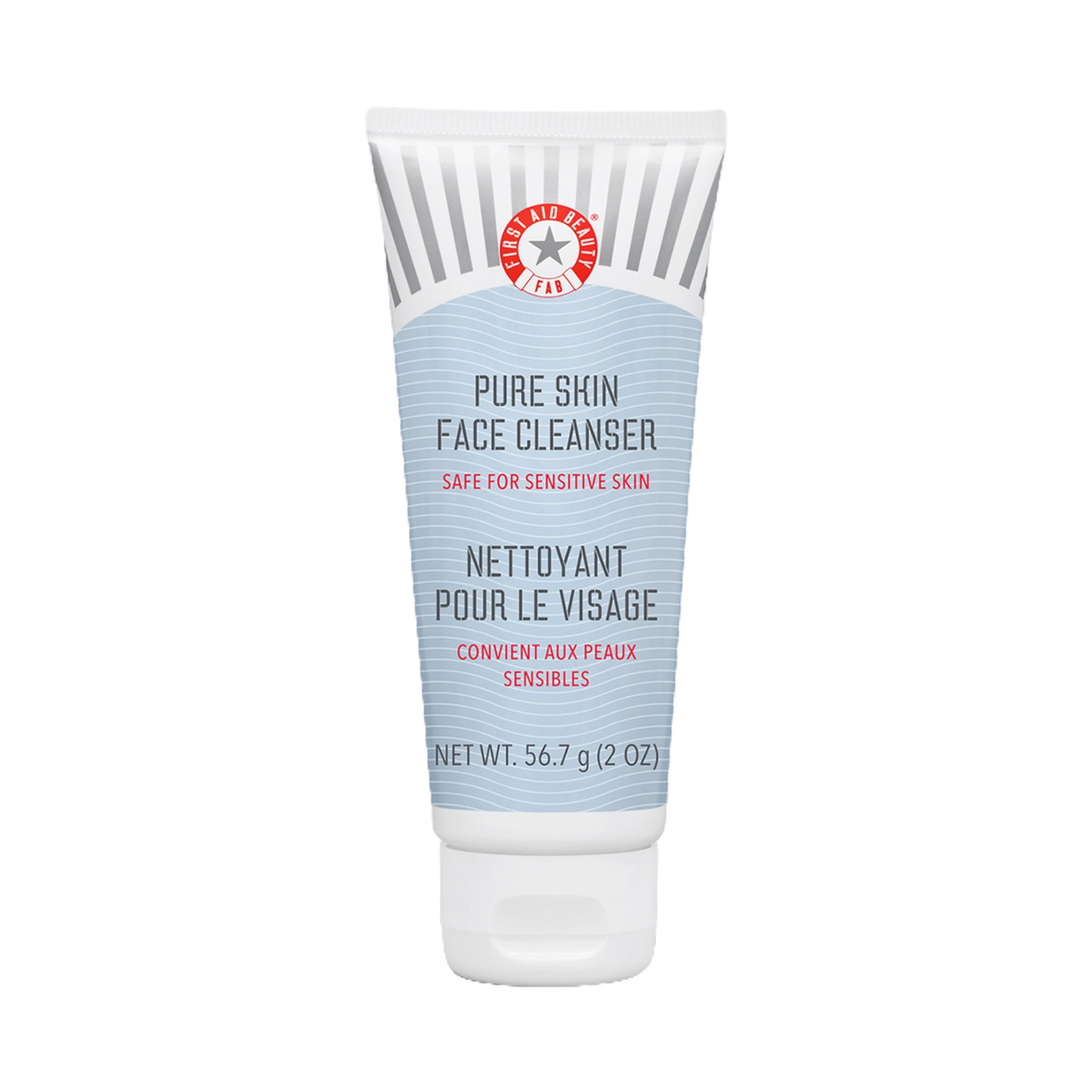
First Aid Beauty Pure skin face cleanser …
|
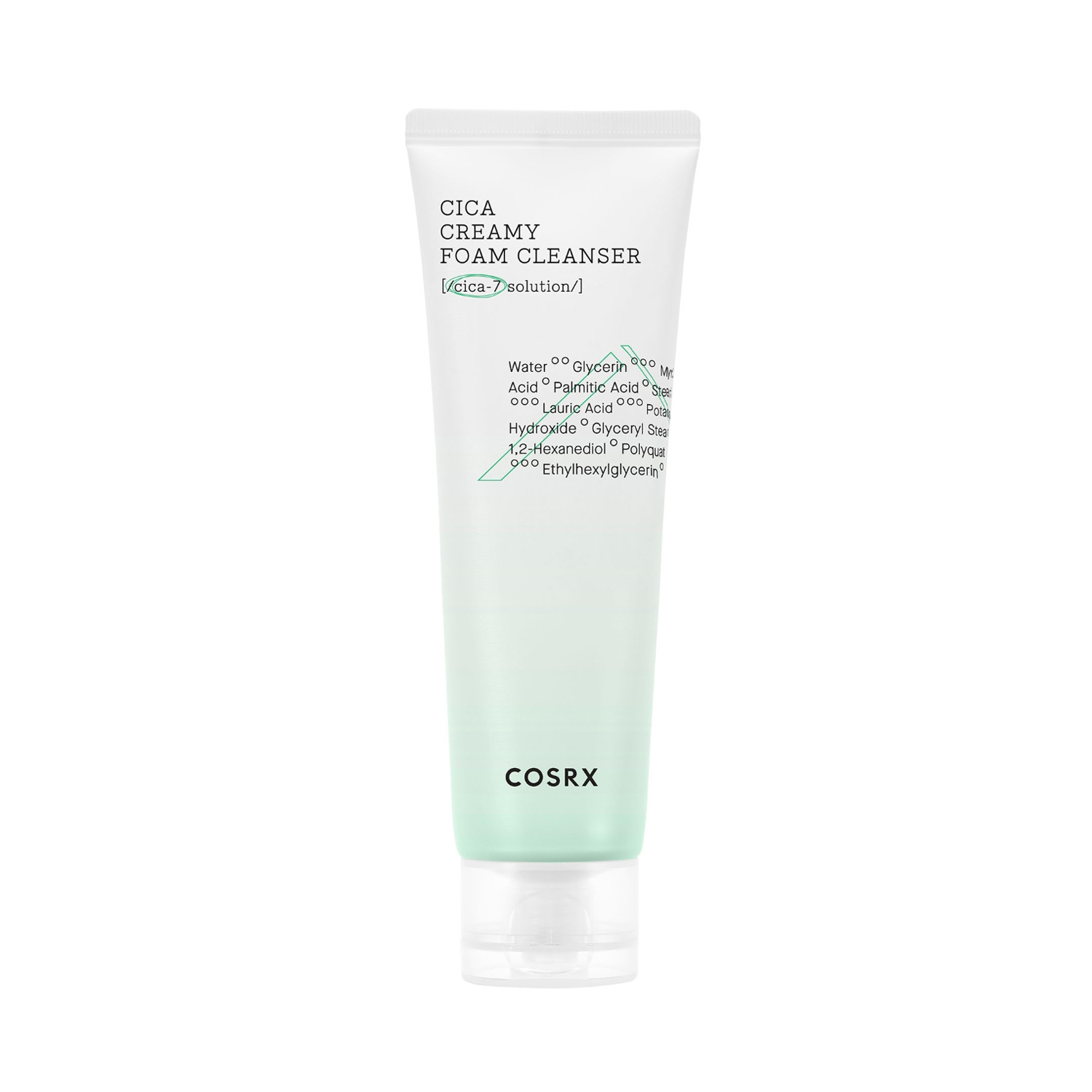
COSRX Pure fit cica creamy foa…
|
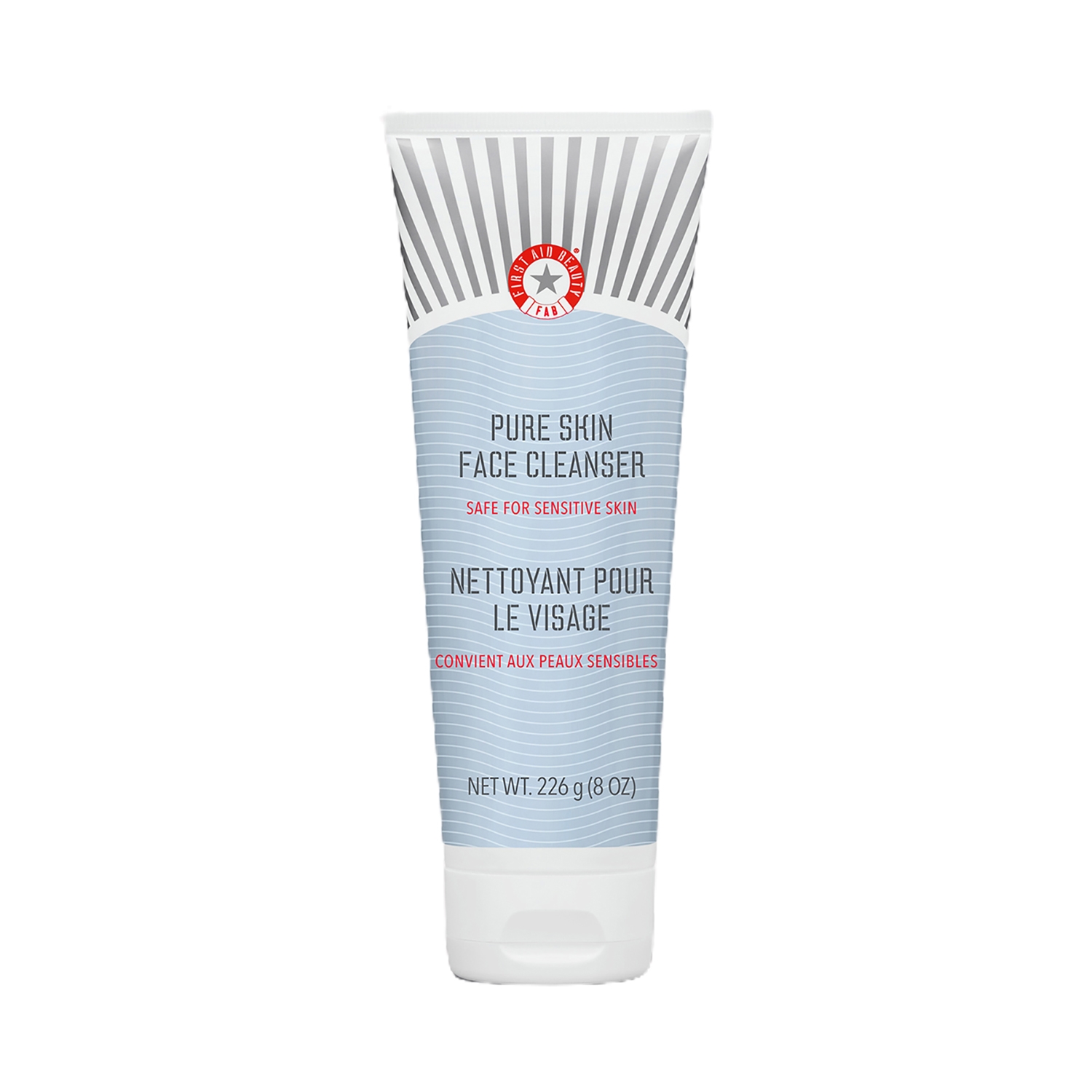
First Aid Beauty Pure skin face cleanser …
|
|
|---|---|---|---|---|---|
| Price | 2725 | 1450 | 1350 | 1050 | 3850 |
| Ingredients Count | 27 | 20 | 27 | 39 | 27 |
| Skintype | All skin types | All skin types | All skin types | Oily | All skin types |
| Formulation | Cream | Gel | Cream | Foam | Cream |
 skinethix
 skinethix
 skinethix
 skinethix