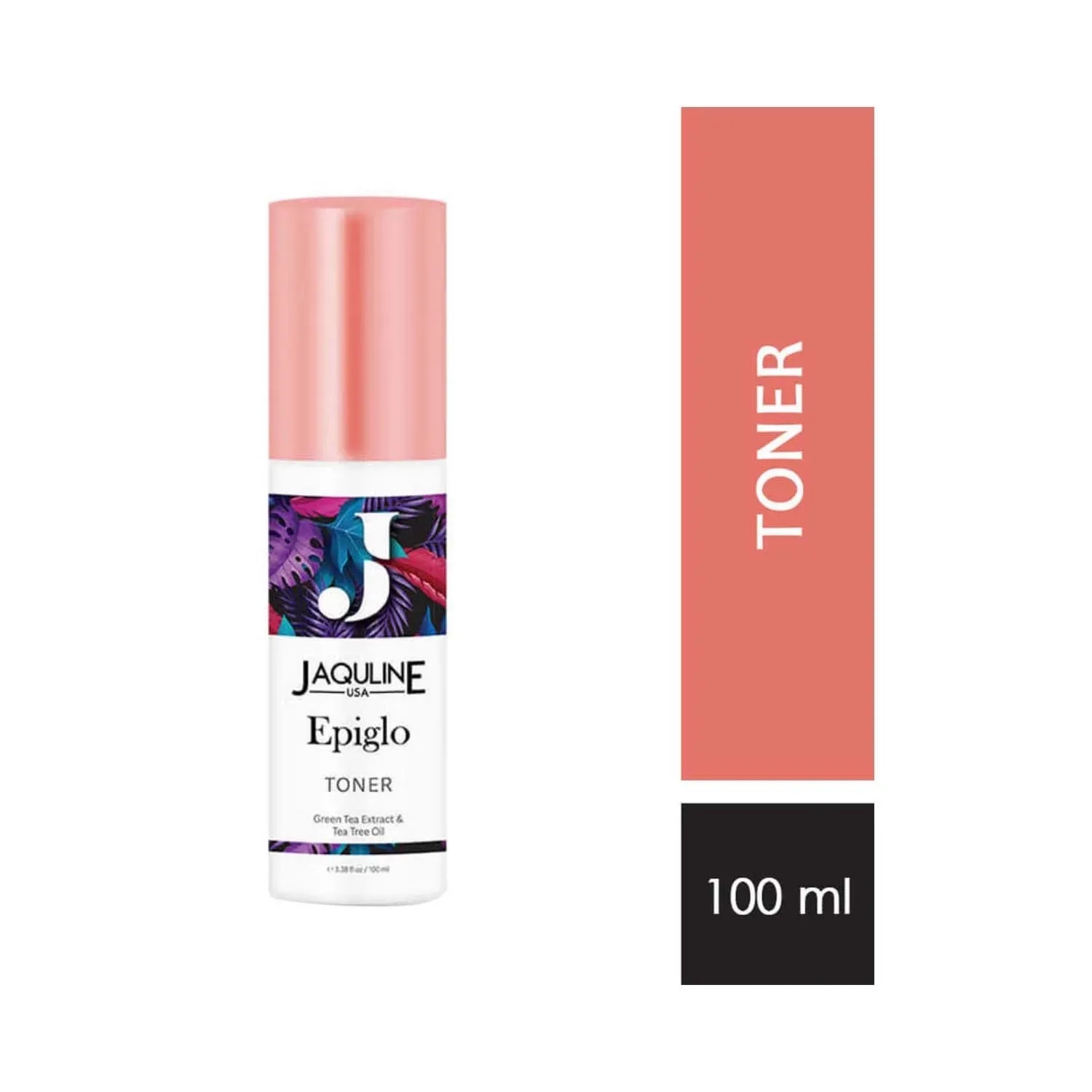
MRP : 499
This article reviews the formulations and the mode of action of hair cosmetics: Shampoos, conditioners, hair straightening products, hair dyes and henna; regarding their prescription and safetiness. Know All Details...
Phenoxyethanol is a synthetic preservative used in cosmetic products to prevent bacterial growth. It is also used as a stabilizer in perfumes and soaps. It is found in various cosmetic products like moisturizers, eye shadows, foundations, sunscreens, conditioners, mascaras, eye liners, shampoos, lip glosses, concealers, body washes, hand creams, blushes, hair colors, hair sprays, lip balms, lotions, nail polishes, baby wipes, baby lotions and soaps, soaps, shaving creams, deodorants, toothpastes, fragrances, hair removal waxes, hand sanitizers, ultrasound gels, and vaccines. Phenoxyethanol is an oily, sticky substance with a pleasant odor often compared to roses. It helps to prevent fungi, bacteria, and yeast from growing in your products, giving them a longer shelf life and ensuring safety. Know All Details...
Polysorbate 20 is a surfactant, emulsifier, and fragrance ingredient used in skincare products to improve texture, feel, and scent. It is derived from lauric acid, the primary fatty acid in coconuts. Matcha, a type of green tea, is a natural alternative to emulsions and can provide similar benefits for the skin. Know All Details...
Diazolidinyl urea is an antimicrobial preservative used in cosmetics and personal care products to prevent the growth of bacteria and mold. It is considered safe for use in cosmetics and personal care products by the Expert Panel for Cosmetic Ingredient Safety (CIR) and is listed in Annex V of the Cosmetics Regulation of the European Union. However, it can cause skin irritation, allergies, and respiratory problems in some individuals. Know All Details...
Propylene glycol is a synthetic ingredient commonly used in skincare products as a humectant, solvent, emollient, and preservative. It attracts water, boosts other ingredients, lightly moisturizes, addresses visible signs of aging, enhances penetration, prevents water loss, and is safe for acne-prone skin. However, it can cause allergic reactions and irritation in some individuals. It is a penetration-enhancing humectant, which means that it can allow harmful toxins to permeate the skin. Propylene glycol is also used in food, cosmetics, and pharmaceutical products, and as a base for deicing solutions. Know All Details...
Salicylic acid, a beta hydroxy acid (BHA), is derived from willow bark. It is oil-soluble, allowing it to penetrate deep into the skin's pores. Salicylic acid works by dissolving skin debris that clogs pores, reducing inflammation, and promoting exfoliation. It is commonly used to treat acne, blackheads, whiteheads, and other skin conditions. It can also help with dandruff by speeding up the desquamation process and aiding in conditions such as dandruff and seborrheic dermatitis, which are caused by a slowing down of skin cells sloughing off. Know All Details...
The provided context does not contain any information related to skincare ingredients. Therefore, I am unable to add more details to the given summary. Know All Details...
Tea tree oil is an essential oil extracted from the leaves of the Australian tea tree. It is believed to have antibacterial, anti-inflammatory, anti-fungal, and antiseptic properties. Tea tree oil is commonly used to treat acne, athlete's foot, lice, nail fungus, and insect bites. It is available as an oil and in various over-the-counter skin products. Tea tree oil is also used as a natural insect repellent, deodorant, and mouthwash. It is also known for its anti-acne properties and is effective against the bacteria that causes acne. Know All Details...
Triethanolamine (TEA) is a common ingredient in skincare products that acts as an emulsifier, pH adjuster, stabilizer, surfactant, and thickener. It helps stabilize and balance the pH of a product, emulsifies immiscible fluids, and thickens the formula. While it offers no direct benefits to the skin, it plays a crucial role in the overall performance and longevity of skincare products. Know All Details...
Tartrazine, also known as Yellow 5 or E102, is a synthetic yellow food coloring derived from coal tar. It is widely used in processed foods, beverages, cosmetics, and medications to impart a yellow or green color. Tartrazine has been linked to various health concerns, including skin irritation, respiratory problems, and hyperactivity in children. Know All Details...
CI 61570, also known as D&C Green 5, is a synthetic dye derived from anthraquinone. It is commonly used in cosmetics, hair dyes, and other personal care products to provide color. While it is approved for use by regulatory authorities, concerns have been raised regarding its potential health effects, including carcinogenicity and contamination. It is also used as a colorant in hair dyes under the name Acid Green 25. Know All Details...
|
Jaquline USA Epiglo toner - (100ml)
|
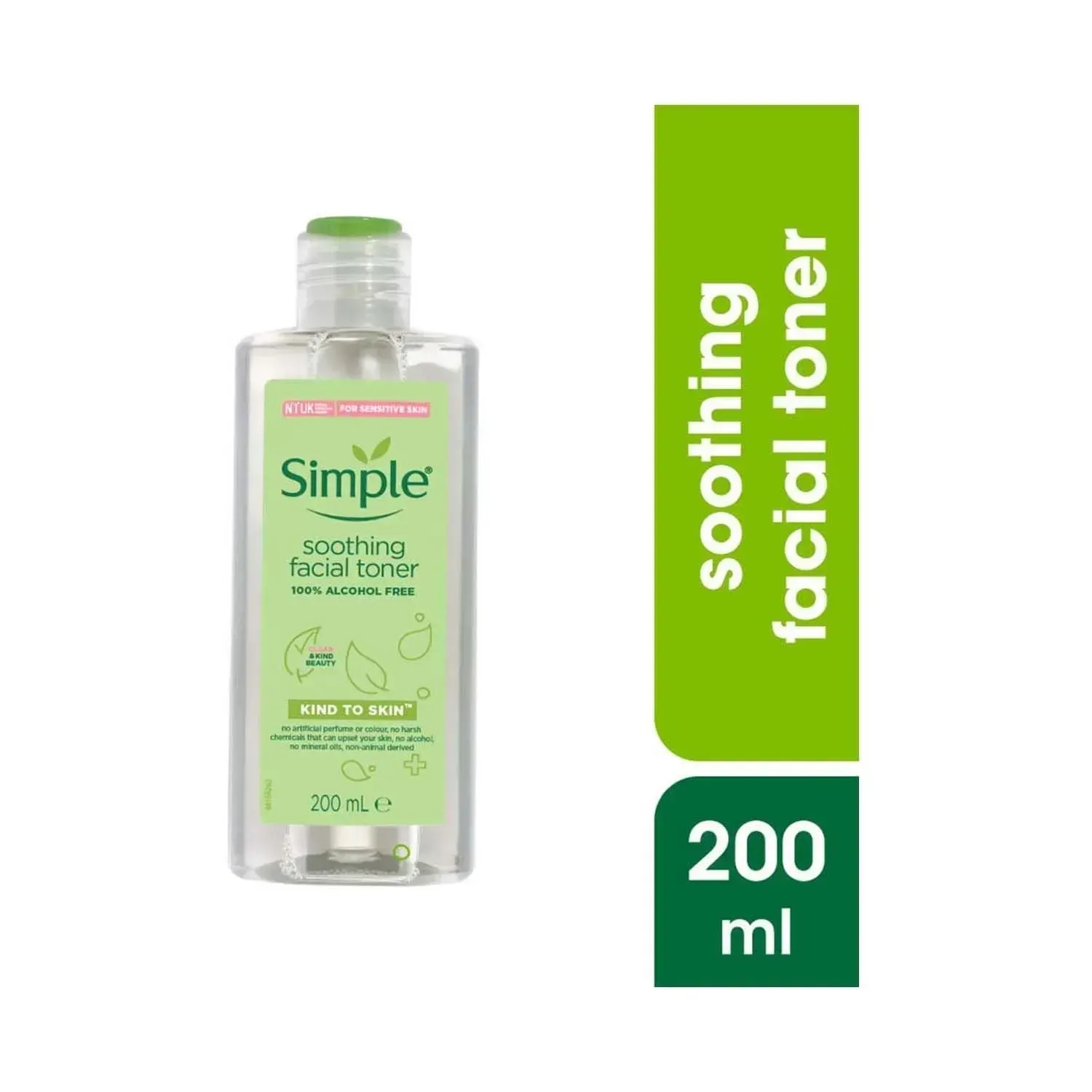
Simple Kind to skin soothing fa…
|
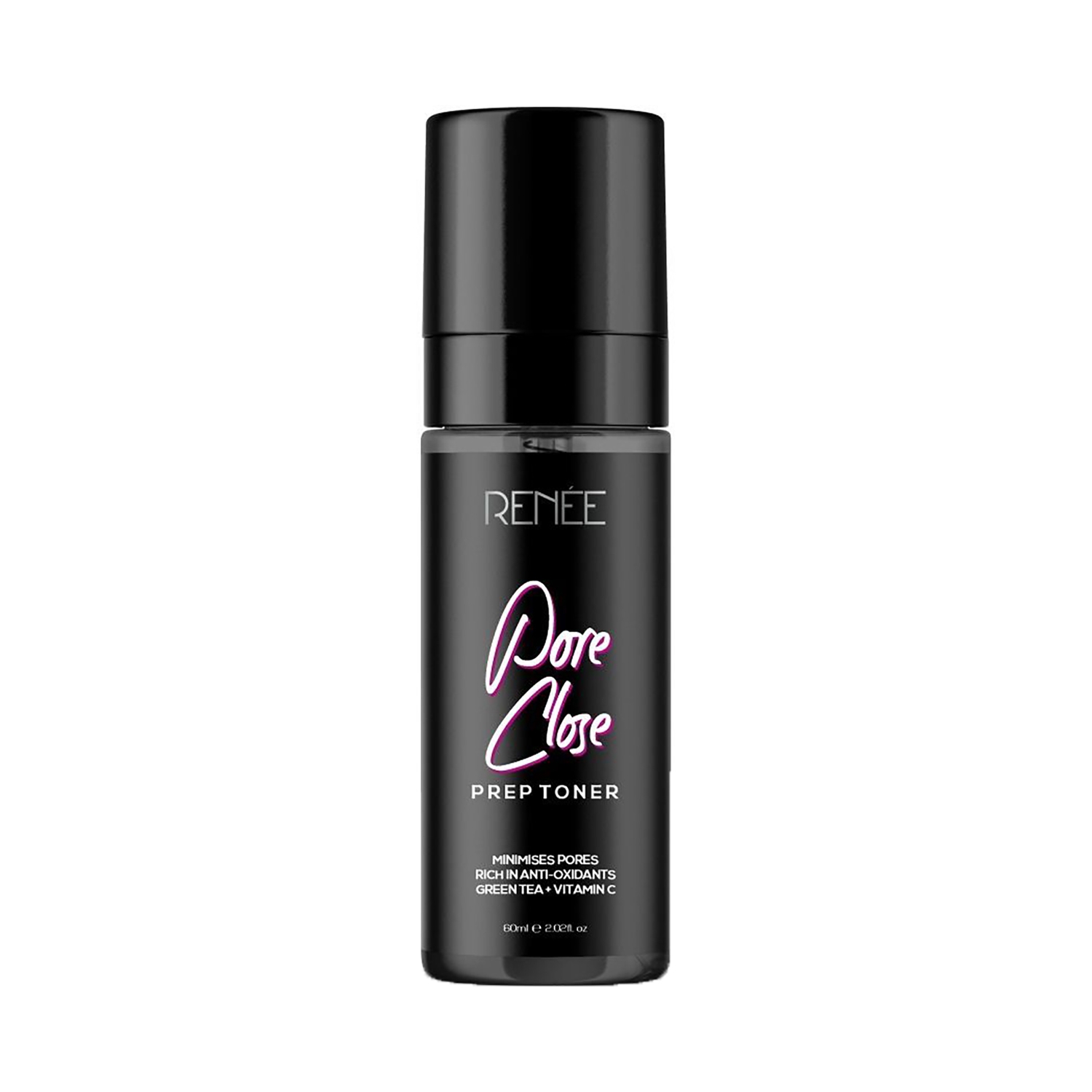
RENEE Pore close prep toner (6…
|
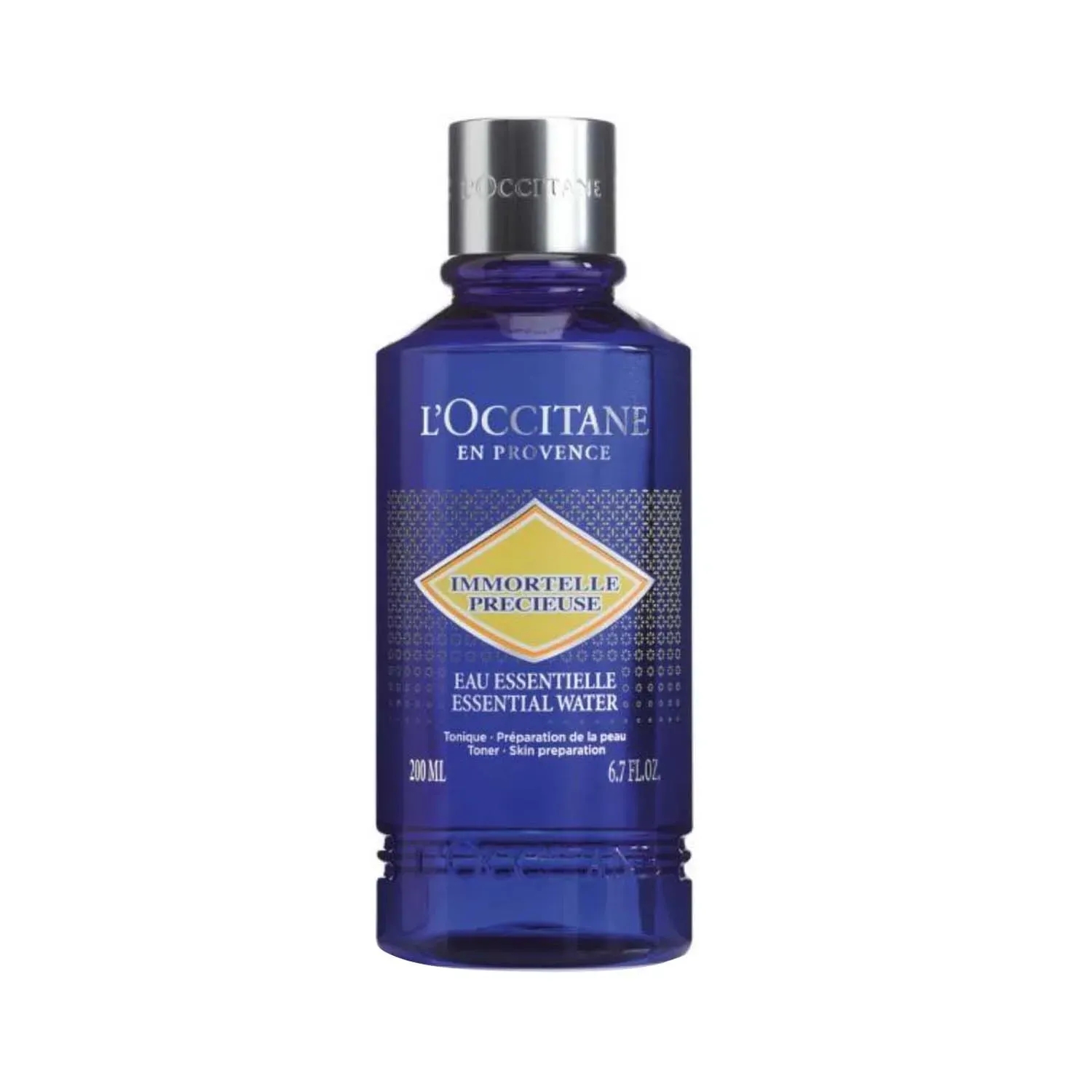
L'occitane Immortelle precious esse…
|
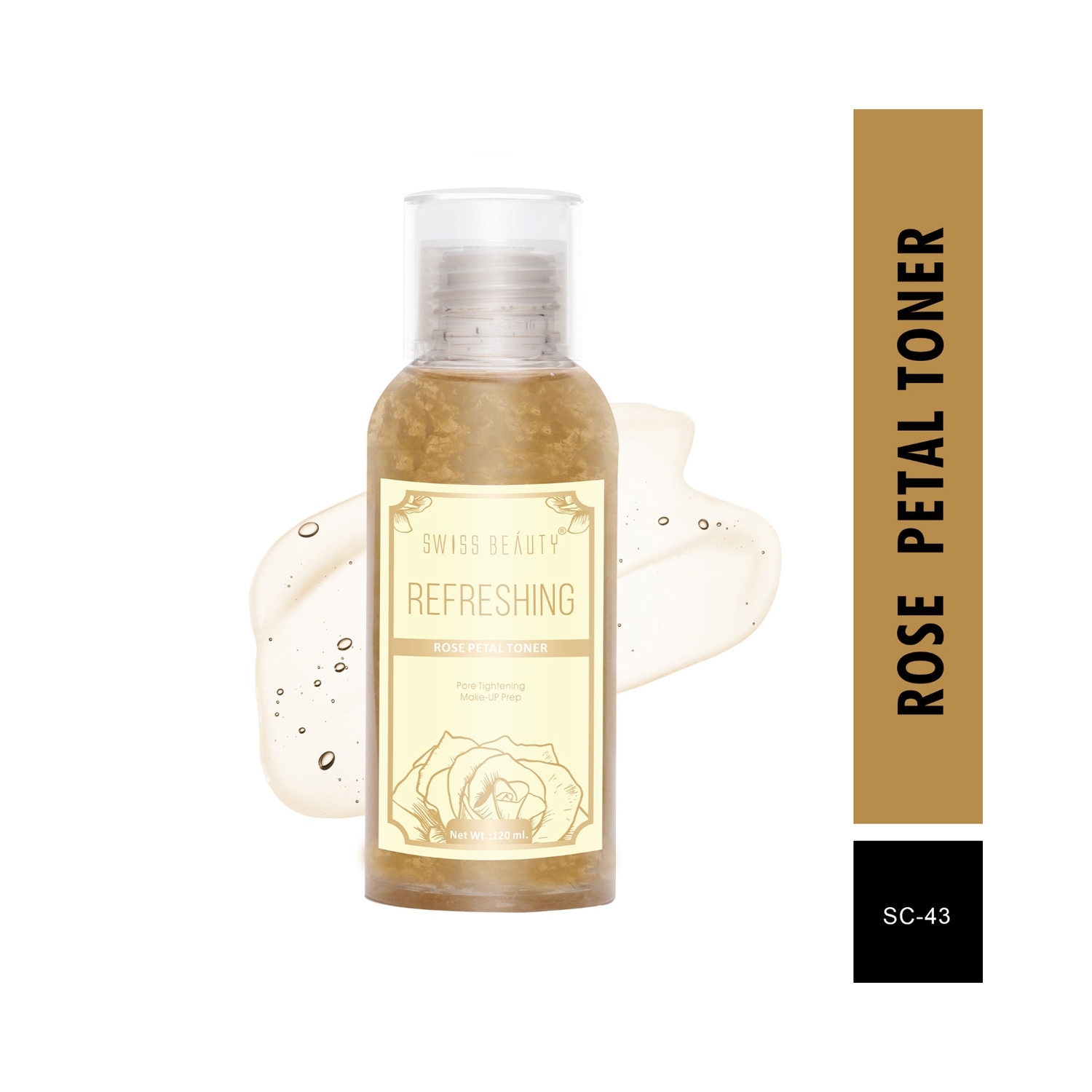
Swiss Beauty Refreshing rose petal to…
|
|
|---|---|---|---|---|---|
| Price | 499 | 460 | 350 | 2850 | 349 |
| Ingredients Count | 11 | 18 | 20 | 26 | 18 |
| Skintype | All skin types | Sensitive | All skin types | All skin types | All skin types |
| Formulation | Liquid | Liquid | Liquid | Liquid | Liquid |
 skinethix
 skinethix
 skinethix
 skinethix