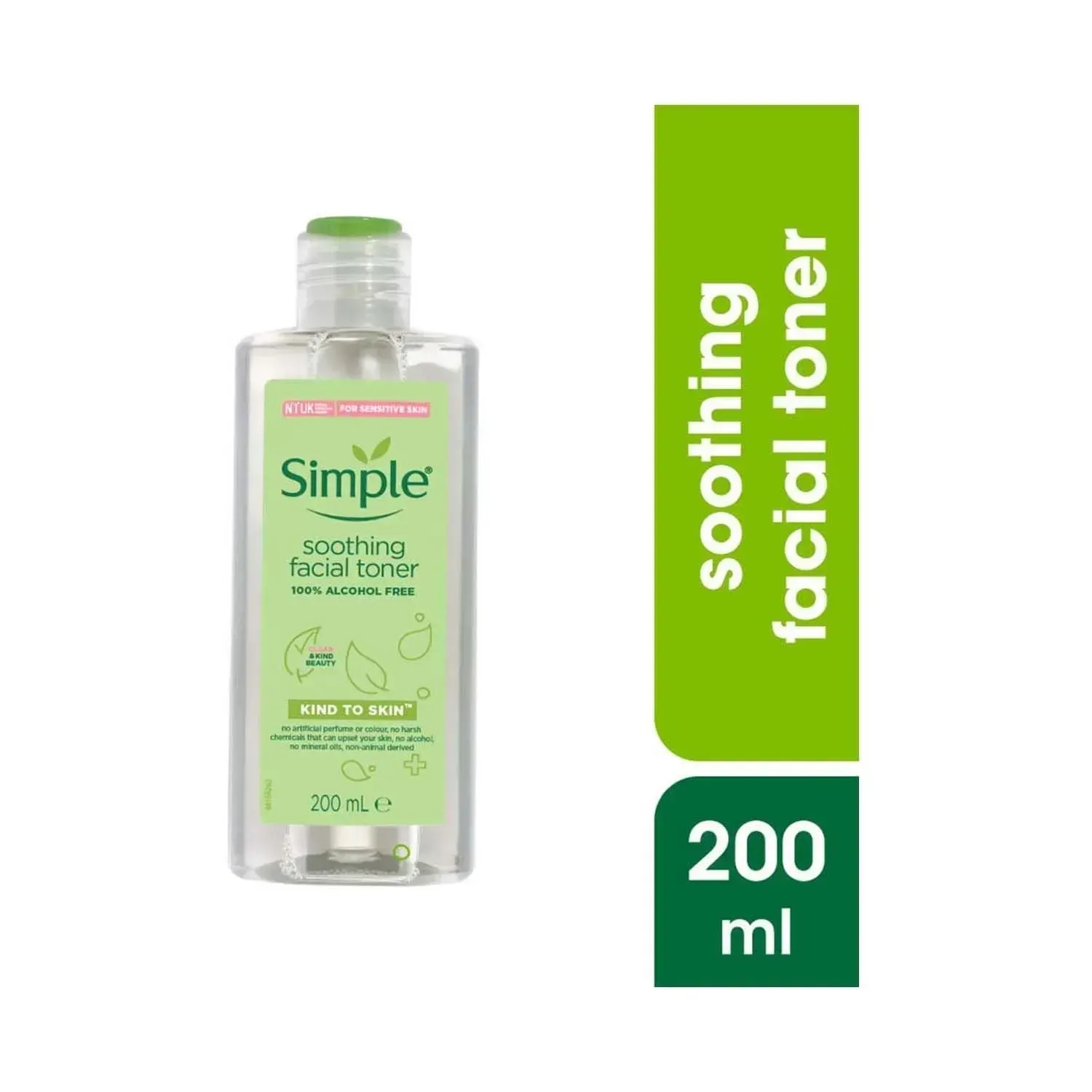
MRP : 460
This article reviews the formulations and the mode of action of hair cosmetics: Shampoos, conditioners, hair straightening products, hair dyes and henna; regarding their prescription and safetiness. Know All Details...
Hydrogenated starch hydrolysates (HSHs) are sugar alcohols derived from starch, commonly corn starch, potato starch, or wheat starch. They are produced through partial hydrolysis and hydrogenation processes, resulting in a mixture of sorbitol, maltitol, and longer-chain hydrogenated saccharides. HSHs are used in skincare products as humectants and film-forming agents, providing hydration and barrier protection to the skin. They are also known to have a mild anti-inflammatory effect. Know All Details...
Allantoin is a natural compound found in plants and animals, including humans. It is commonly used in skincare products for its moisturizing, soothing, and skin-healing properties. It helps treat dry, rough, and irritated skin, and is often used in products for diaper rash, skin burns, and radiation therapy. Allantoin is also used in hair care products, makeup, and infant products. It is a keratolytic agent, meaning it helps to remove dead skin cells. This can be beneficial for people with acne, as it can help to unclog pores and reduce inflammation. Allantoin can increase the water contents of cells, therefore, fighting against the damage of transepidermal water loss (TEWL) in the dermis, which keeps the skin looking plump and youthful. Allantoin promotes cell proliferation and supports overall "remodeling", helping to improve skin dullness and rejuvenate the cells. Know All Details...
Cetylpyridinium chloride (CPC) is a cationic surfactant with strong bactericidal properties and resistance to fungi. It is used as an antibacterial agent in toothpaste, mouthwash, pre-moistened wipes, throat lozenges, and other personal care products that value safety. Recently, it has been popular in pharmaceuticals, cosmetics, toiletries, and industrial use. It is also associated with concerns like neurotoxicity, endocrine disruption, and non-reproductive organ system toxicity. Know All Details...
Chamomile extract, also known as Chamomilla Recutita (Matricaria) Flower Extract, is a popular skincare ingredient known for its soothing, anti-aging, anti-inflammatory, and antimicrobial properties. It is rich in phenolic compounds, primarily flavonoids, which act as antioxidants. It can be used to treat a variety of cosmetic and surface-level ailments like acne, skin discoloration, skin irritations, rashes, and many others. It is also beneficial for treating skin conditions such as eczema and acne. Know All Details...
Citric Acid is a weak acid found naturally in citrus fruits like lemons and limes. It is also used as an additive in processed foods, medicines, personal care products, and cleaning products. Citric Acid has protective antioxidant, and corrective antiaging effects helping to reverse visible signs of photodamage. It exfoliates the upper layer of dead skin cells to help clean pores, even skin tone and soften and smooth the skin. It also helps maintain the skin's pH levels. Know All Details...
Decyl Glucoside is a naturally derived, biodegradable surfactant commonly found in personal care products like shampoos, body washes, cleansers, and liquid hand soaps. It is a mild, non-toxic agent that is safe for all skin types, including sensitive skin. Decyl Glucoside is obtained from 100% natural sources, including fats, alcohol, and sugars found in palm kernel oils, corn sugars, and coconut. It effectively removes oils and dirt from the skin without causing irritation or dryness, making it suitable for all skin types. Know All Details...
Disodium EDTA is a chelating agent used in cosmetics to enhance stability and aid preservatives. It is safe for use in cosmetics up to 0.85% concentration in leave-on products. It can also enhance skin absorption of other ingredients. However, it is recommended to avoid products containing Disodium EDTA as it is a 'penetration enhancer', which means it disrupts the surface of skin cells and allows other chemicals to get in more easily. Know All Details...
Glycerin, a natural humectant found in plants, animals, and humans, is a colorless, odorless, and sweet-tasting liquid derived from fats and oils. It attracts and retains moisture from the air, making it an excellent ingredient for hydrating and moisturizing the skin. Glycerin also helps create a barrier on the skin, preventing moisture loss, and reduces the appearance of fine lines and wrinkles. Know All Details...
Witch Hazel Water, extracted from the Hamamelis virginiana plant, is commonly used in skincare products for its skin conditioning properties. It helps improve the appearance of dry or damaged skin, reduces flaking, and restores suppleness. It also has anti-inflammatory and antibacterial properties. Know All Details...
Niacinamide, also known as nicotinamide, is a form of vitamin B3. It is found in many foods including meat, fish, milk, eggs, green vegetables, and cereals. Niacinamide is required for the function of fats and sugars in the body and to maintain healthy cells. It is a multipurpose skin care ingredient that helps build keratin, a protein that maintains skin health. It also helps to calm redness, reduce the appearance of pores, protect against skin cancer, treat dark spots, and reduce wrinkles and fine lines. Niacinamide can be used as part of a daily skincare routine to promote hydrated, smooth, and even-toned skin. Know All Details...
Dexpanthenol, a derivative of vitamin B5, is a versatile skincare ingredient known for its moisturizing, soothing, and wound-healing properties. It helps maintain skin hydration by acting as both an emollient and humectant, replenishing the skin's moisture and attracting water to it. Dexpanthenol also possesses anti-inflammatory and regenerative abilities, aiding in wound healing, soothing irritated skin, and promoting blemish healing. It is also known to improve hair health by preventing hair loss and protecting hair against environmental and styling damage. Know All Details...
Pantolactone is a synthetic humectant that helps maintain skin's moisture balance. It is often found in blends with other hydrating ingredients like panthenol, glycerin, sodium hyaluronate, and yeast strains. Pantolactone is considered safe for cosmetic use, typically at concentrations of 1% or less. It is used in the production of D-panthenol (dexpanthenol), the alcohol analogue of panthothenic acid (vitamin B5). Pantolactone is also used as an animal feed additive, but also in pharmaceutical, health care and food products, and in cosmetics as a humectant and conditioning agent. Pantolactone can cause allergic contact dermatitis in some individuals. It can disintegrate to pantothenic acid due to ‘lactonization’ in an acid aqueous environment such as the skin. Know All Details...
Phenoxyethanol is a synthetic preservative used in cosmetic products to prevent bacterial growth. It is also used as a stabilizer in perfumes and soaps. It is found in various cosmetic products like moisturizers, eye shadows, foundations, sunscreens, conditioners, mascaras, eye liners, shampoos, lip glosses, concealers, body washes, hand creams, blushes, hair colors, hair sprays, lip balms, lotions, nail polishes, baby wipes, baby lotions and soaps, soaps, shaving creams, deodorants, toothpastes, fragrances, hair removal waxes, hand sanitizers, ultrasound gels, and vaccines. Phenoxyethanol is an oily, sticky substance with a pleasant odor often compared to roses. It helps to prevent fungi, bacteria, and yeast from growing in your products, giving them a longer shelf life and ensuring safety. Know All Details...
Potassium sorbate is a preservative used in skincare and cosmetics to extend shelf life and maintain product stability. It has antibacterial and antifungal properties, preventing the growth of harmful microorganisms, bacteria, fungi, and mold. Potassium sorbate is generally considered safe for use in skincare products, with a low risk of irritation. Know All Details...
Propylene glycol is a synthetic ingredient commonly used in skincare products as a humectant, solvent, emollient, and preservative. It attracts water, boosts other ingredients, lightly moisturizes, addresses visible signs of aging, enhances penetration, prevents water loss, and is safe for acne-prone skin. However, it can cause allergic reactions and irritation in some individuals. It is a penetration-enhancing humectant, which means that it can allow harmful toxins to permeate the skin. Propylene glycol is also used in food, cosmetics, and pharmaceutical products, and as a base for deicing solutions. Know All Details...
Sodium benzoate is a preservative used in cosmetics, personal care products, and food to prevent the growth of microorganisms. It is effective against fungi and bacteria, but it is not a broad-spectrum preservative and should be combined with other preservatives. Sodium benzoate is generally safe for use in cosmetics, but it can cause allergic contact dermatitis in some people, especially those with sensitive skin or a history of skin allergies. It can also interact with vitamin C to produce benzene, a known carcinogen. Know All Details...
Sodium PCA, a natural humectant found in skin, helps retain moisture, resulting in a supple and youthful appearance. It is commonly used in moisturizers and is considered safe and non-irritating. It can be derived from amino acids, plants, or fruits. Know All Details...
|
Simple Kind to skin soothing facial …
|
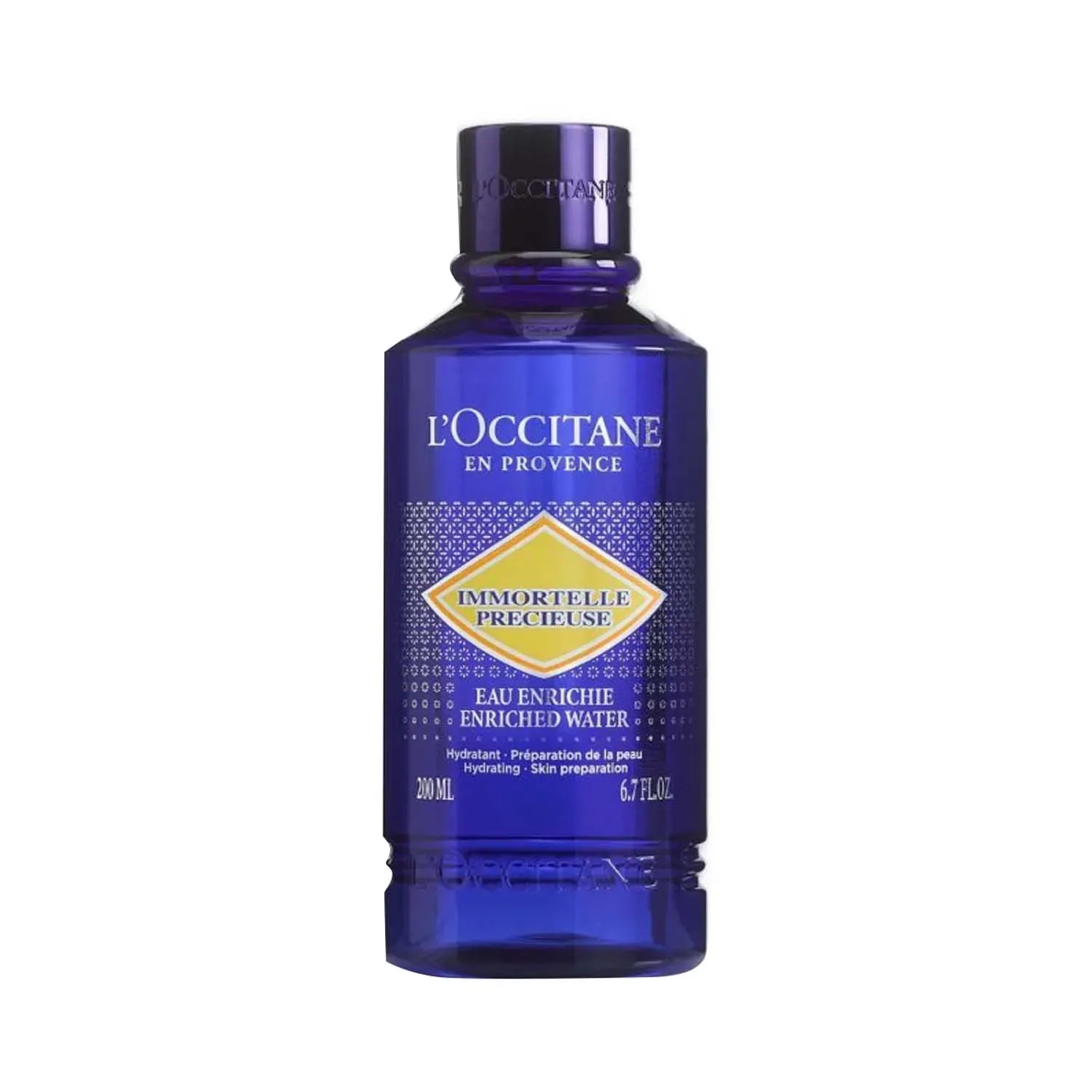
L'occitane Immortelle precious enri…
|
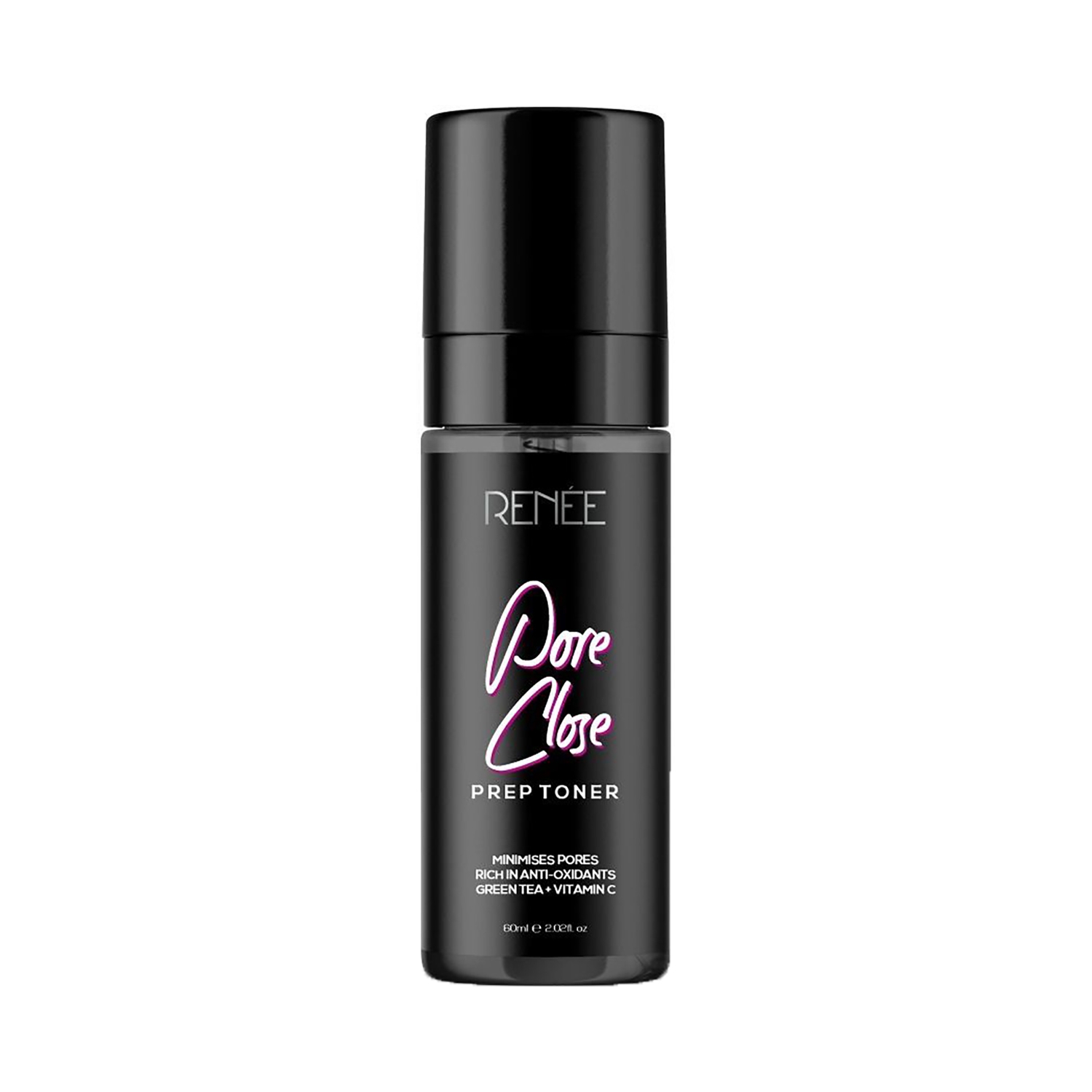
RENEE Pore close prep toner (6…
|
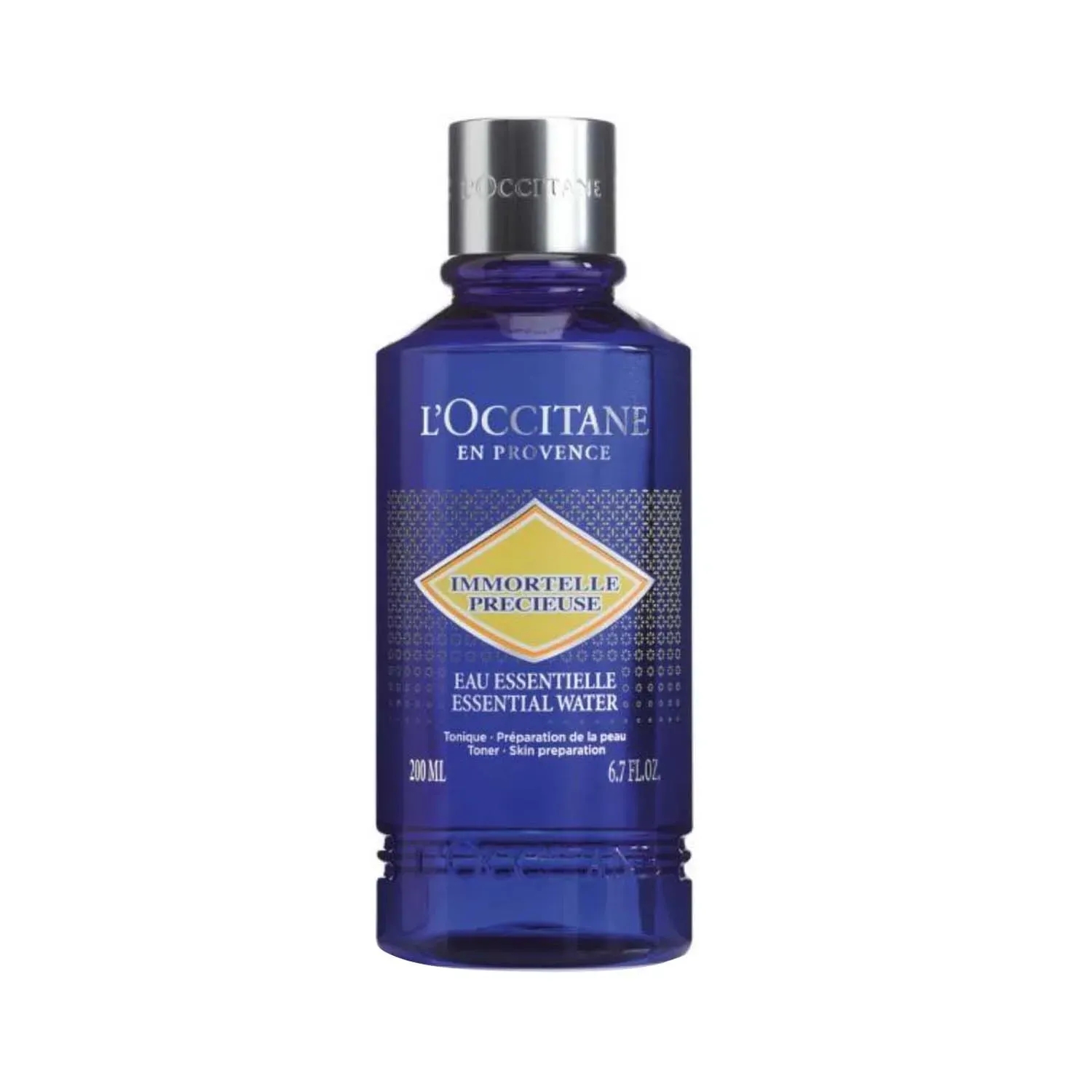
L'occitane Immortelle precious esse…
|
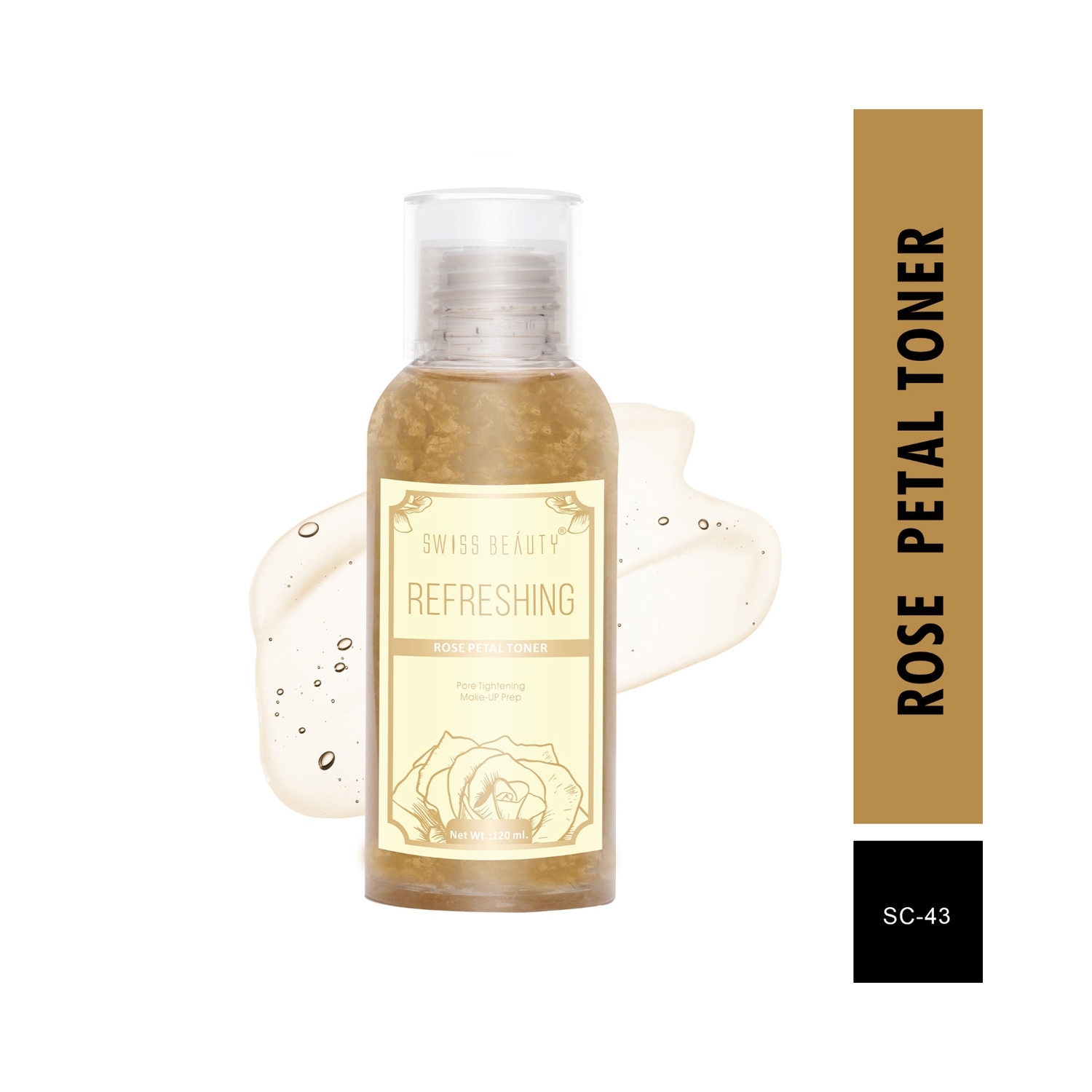
Swiss Beauty Refreshing rose petal to…
|
|
|---|---|---|---|---|---|
| Price | 460 | 2800 | 350 | 2850 | 349 |
| Ingredients Count | 18 | 31 | 20 | 26 | 18 |
| Skintype | Sensitive | All skin types | All skin types | All skin types | All skin types |
| Formulation | Liquid | Liquid | Liquid | Liquid | Liquid |
 skinethix
 skinethix
 skinethix
 skinethix