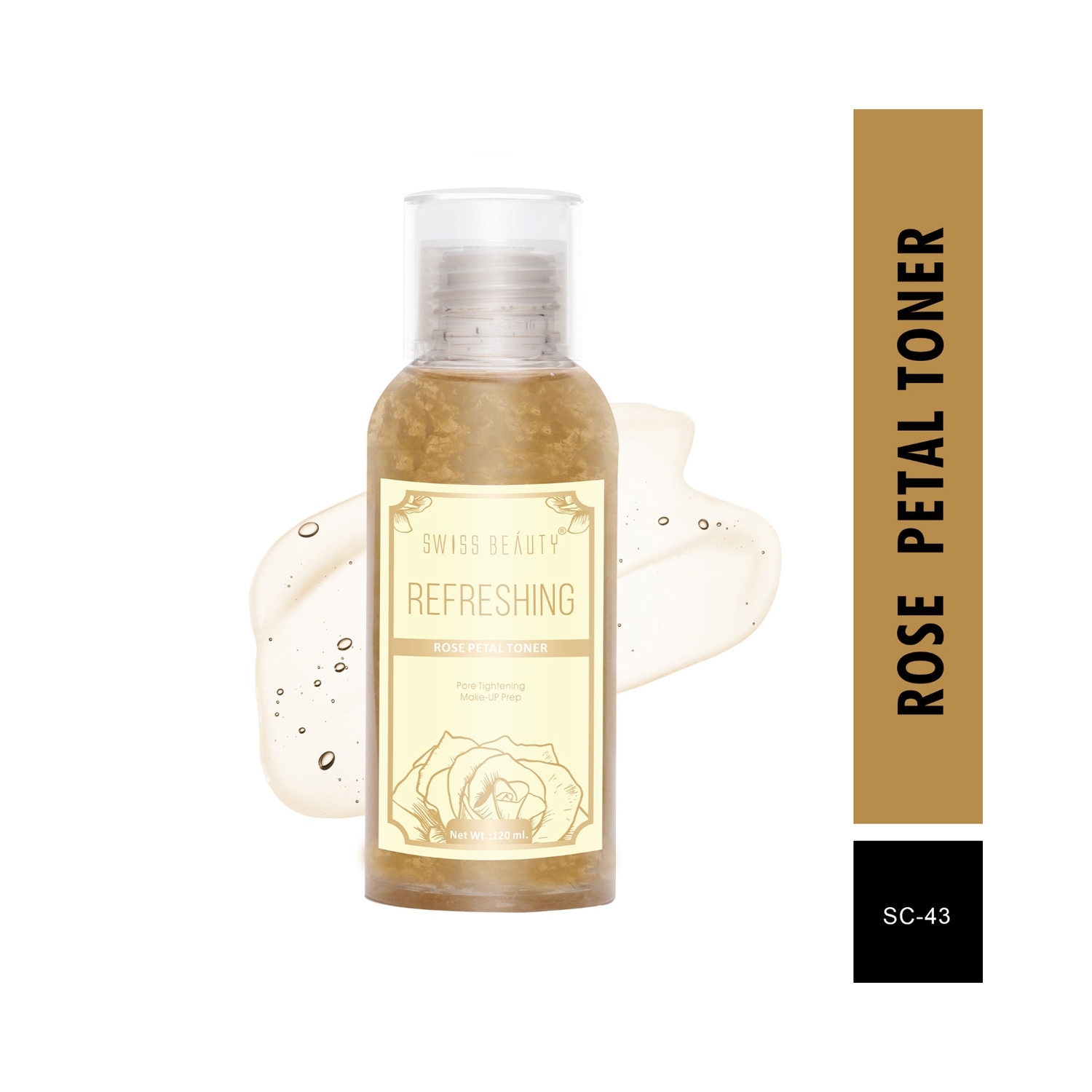
MRP : 349
This article reviews the formulations and the mode of action of hair cosmetics: Shampoos, conditioners, hair straightening products, hair dyes and henna; regarding their prescription and safetiness. Know All Details...
Glycerin, a natural humectant found in plants, animals, and humans, is a colorless, odorless, and sweet-tasting liquid derived from fats and oils. It attracts and retains moisture from the air, making it an excellent ingredient for hydrating and moisturizing the skin. Glycerin also helps create a barrier on the skin, preventing moisture loss, and reduces the appearance of fine lines and wrinkles. Know All Details...
Propylene glycol is a synthetic ingredient commonly used in skincare products as a humectant, solvent, emollient, and preservative. It attracts water, boosts other ingredients, lightly moisturizes, addresses visible signs of aging, enhances penetration, prevents water loss, and is safe for acne-prone skin. However, it can cause allergic reactions and irritation in some individuals. It is a penetration-enhancing humectant, which means that it can allow harmful toxins to permeate the skin. Propylene glycol is also used in food, cosmetics, and pharmaceutical products, and as a base for deicing solutions. Know All Details...
Arginine is an amino acid that helps the body build protein. It is generally considered safe for topical use and oral consumption. Arginine is found in most protein-rich foods, including fish, red meat, poultry, soy, whole grains, beans and dairy products. It is also available as a supplement in oral and topical forms. L-arginine is also being explored for its potential use in cosmetic surfactants as a more biocompatible alternative to traditional forms. Know All Details...
Allantoin is a natural compound found in plants and animals, including humans. It is commonly used in skincare products for its moisturizing, soothing, and skin-healing properties. It helps treat dry, rough, and irritated skin, and is often used in products for diaper rash, skin burns, and radiation therapy. Allantoin is also used in hair care products, makeup, and infant products. It is a keratolytic agent, meaning it helps to remove dead skin cells. This can be beneficial for people with acne, as it can help to unclog pores and reduce inflammation. Allantoin can increase the water contents of cells, therefore, fighting against the damage of transepidermal water loss (TEWL) in the dermis, which keeps the skin looking plump and youthful. Allantoin promotes cell proliferation and supports overall "remodeling", helping to improve skin dullness and rejuvenate the cells. Know All Details...
Roses have been used in skincare for centuries due to their numerous benefits. Rose petals and oil contain antioxidants, vitamins, essential fatty acids, and minerals. They have anti-inflammatory, antiseptic, and antibacterial properties. Rose water soothes skin irritation, reduces redness, helps prevent and treat infections, and promotes faster healing of wounds, cuts, burns, and scars. Rose oil has emollient properties and may help reduce inflammation. Rosehip seed oil is ideal for mature and photo-damaged skin, along with skin conditions like dermatitis, psoriasis, and eczema. Roses are also rich in antioxidants, vitamins A and C, and fatty acids, which provide anti-aging, moisturizing, and soothing benefits to the skin. Know All Details...
Sodium hyaluronate, a derivative of hyaluronic acid, is a humectant that offers intense hydration, anti-aging, and anti-inflammatory benefits to the skin. It is suitable for all skin types and can be found in various skincare products like serums, eye creams, and facial cleansers. Sodium hyaluronate has a smaller molecular structure compared to hyaluronic acid, allowing it to penetrate deeper into the skin for intense hydration. Know All Details...
Aloe vera and rugosa rose are natural ingredients commonly used in skincare for their moisturizing, soothing, and rejuvenating properties. Aloe vera is known for its ability to hydrate and soothe the skin, while rugosa rose is rich in antioxidants and helps improve skin elasticity. Rugosa rose is a type of flowering plant that is well-known for its ornamental value and its potential skincare benefits. The plant produces vibrant and fragrant flowers, and its fruit (rose hips) is also utilized for various purposes. Rose water, Rosa Rugosa flower extract, and Beta glucan are the key ingredients of Dang! Ageless Everyday Gentle Foaming Face Wash. Know All Details...
Information Unavailable at the moment Know All Details...
Opuntia Streptacantha Stem Extract, also known as Prickly Pear, Nopal, or Indian Fig, is a botanical extract derived from the stem of the Opuntia streptacantha cactus. It is rich in antioxidants, vitamins, minerals, and amino acids. It is known for its moisturizing and soothing properties. It is found in products like Dr Smells Anti-odour Cream. Know All Details...
Witch Hazel Extract, also known as Hamamelis Virginiana Extract, is a skincare ingredient derived from the North American Witch Hazel plant. It possesses astringent, antioxidant, antimicrobial, antibacterial, and anti-inflammatory properties, making it beneficial for various skin conditions. However, long-term use of Witch Hazel Extract can be problematic due to the presence of tannins and alcohol, which can cause skin irritation, dryness, and sensitization. Know All Details...
Trehalose, a naturally occurring sugar derived from plants and fungi, is used in skincare for its moisturizing, antioxidant, and anti-inflammatory properties. It helps resurrect plants and insects from extreme dehydration and oxidative stress by forming a gel that prevents cell dehydration and damage. It is also known as ‘Resurrection Sugar’. Know All Details...
Niacinamide, also known as nicotinamide, is a form of vitamin B3. It is found in many foods including meat, fish, milk, eggs, green vegetables, and cereals. Niacinamide is required for the function of fats and sugars in the body and to maintain healthy cells. It is a multipurpose skin care ingredient that helps build keratin, a protein that maintains skin health. It also helps to calm redness, reduce the appearance of pores, protect against skin cancer, treat dark spots, and reduce wrinkles and fine lines. Niacinamide can be used as part of a daily skincare routine to promote hydrated, smooth, and even-toned skin. Know All Details...
Carbomer is a synthetic polymer commonly used in cosmetics and personal care products as a thickening agent, emulsifier, and stabilizer. It is generally considered safe for use on the skin, with a low risk of irritation and sensitization. Carbomer helps improve the texture and consistency of products, making them smooth and creamy. It is also used in various industries, including food, detergent, and paint manufacturing. Know All Details...
Glyceryl caprylate is a plant-based ingredient used in cosmetics for its antimicrobial, anti-acne, skin conditioning, refatting, and hydrating properties. It is palm-free and can be used in various cosmetic products like skin creams, anti-acne wipes, body lotions, body washes, deodorants, hair gels, and shampoos. It is made from portions of glycerin and coconut-derived caprylic acid. It is also used as a co-emulsifier to stabilize oil-in-water emulsions and restores the oils of the skin, regulates skin moisture, and acts as a humidifier. Know All Details...
Propylene glycol is a synthetic ingredient commonly used in skincare products as a humectant, solvent, emollient, and preservative. It attracts water, boosts other ingredients, lightly moisturizes, addresses visible signs of aging, enhances penetration, prevents water loss, and is safe for acne-prone skin. However, it can cause allergic reactions and irritation in some individuals. It is a penetration-enhancing humectant, which means that it can allow harmful toxins to permeate the skin. Propylene glycol is also used in food, cosmetics, and pharmaceutical products, and as a base for deicing solutions. Know All Details...
Caprylhydroxamic acid is a synthetic chelating agent derived from coconut-sourced caprylic acid. It is a biostatic hurdle technology designed to prevent microbial growth across a wide pH range of 4 to 8. The combination of CHA with medium-chain terminal diols such as caprylyl glycol, glyceryl caprylate or caprylyl glyceryl ether provides broad-spectrum protection against contamination by bacteria, yeast and mold. It is also used as a preservative in cosmetics and personal care products. Know All Details...
Information Unavailable at the moment Know All Details...
|
Swiss Beauty Refreshing rose petal toner (…
|
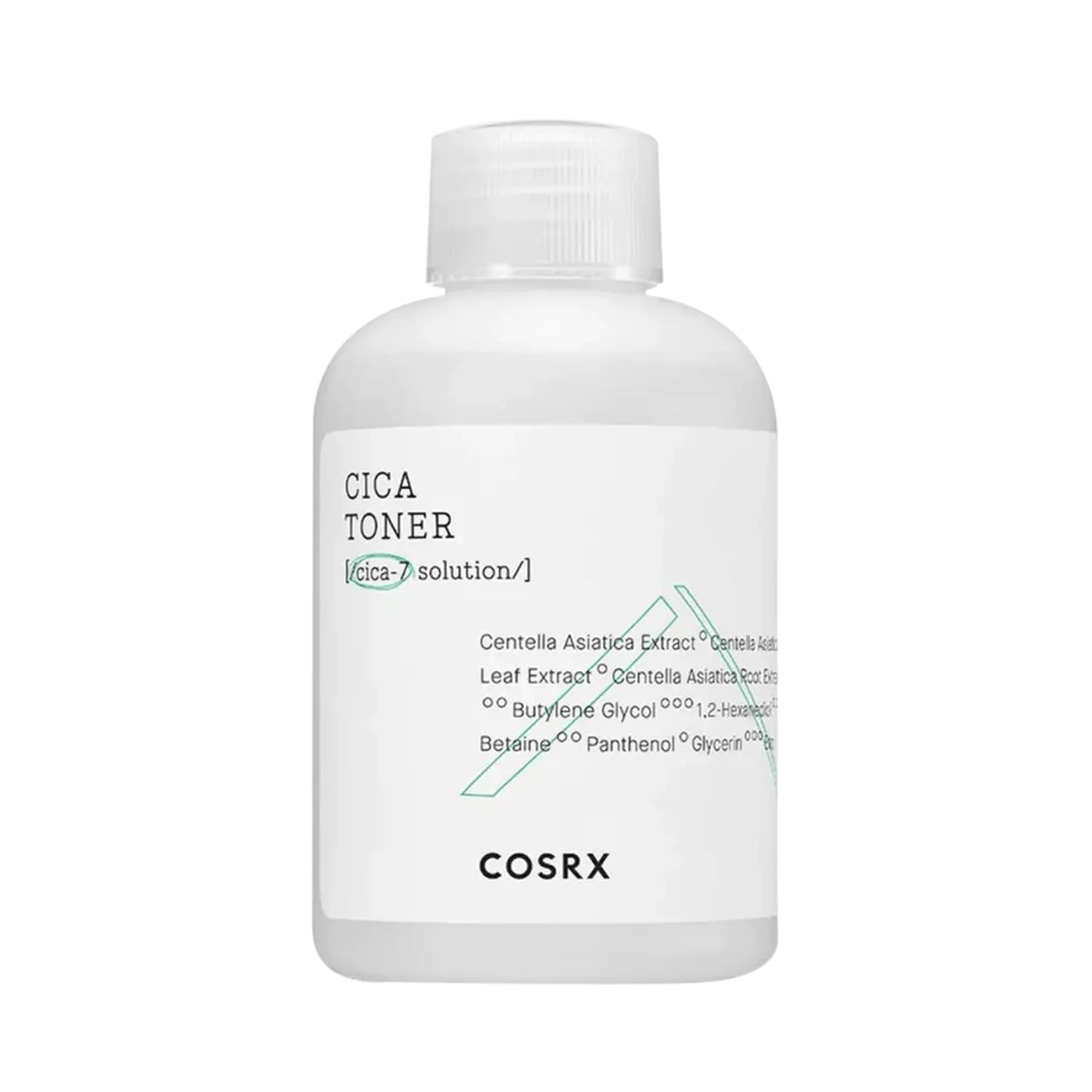
COSRX Pure fit cica toner (150…
|
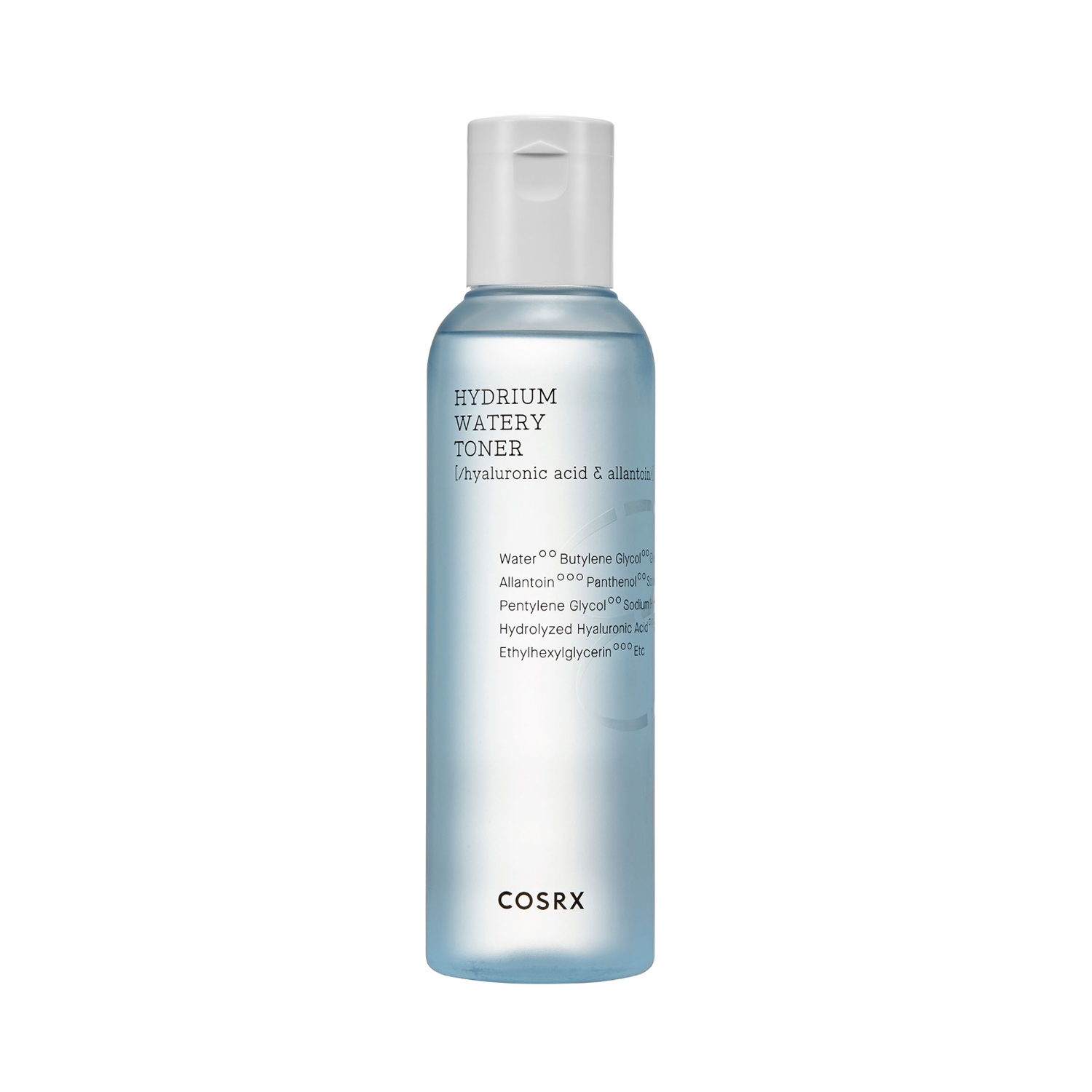
COSRX Hydrium watery toner (15…
|
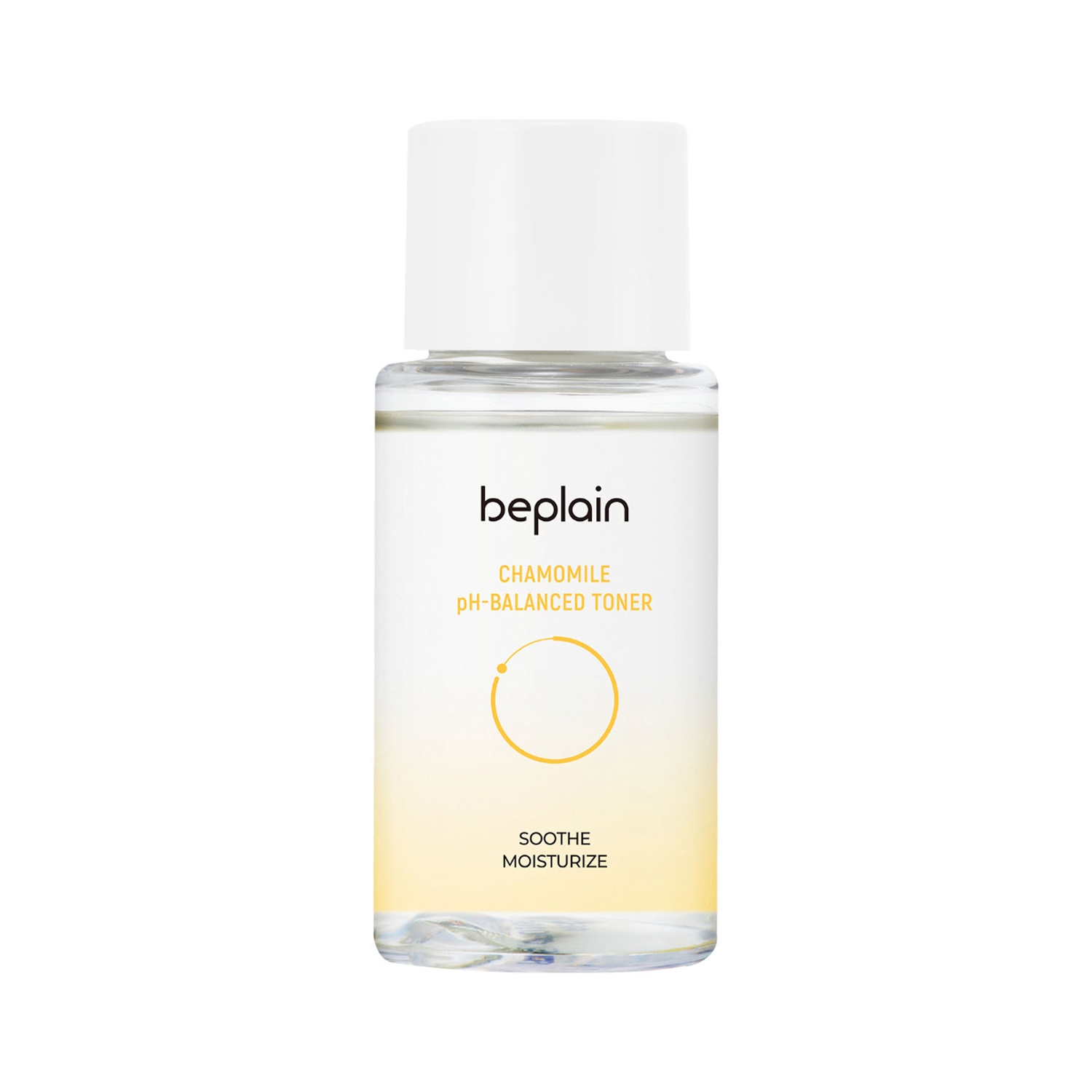
Beplain Chamomile ph-balanced to…
|
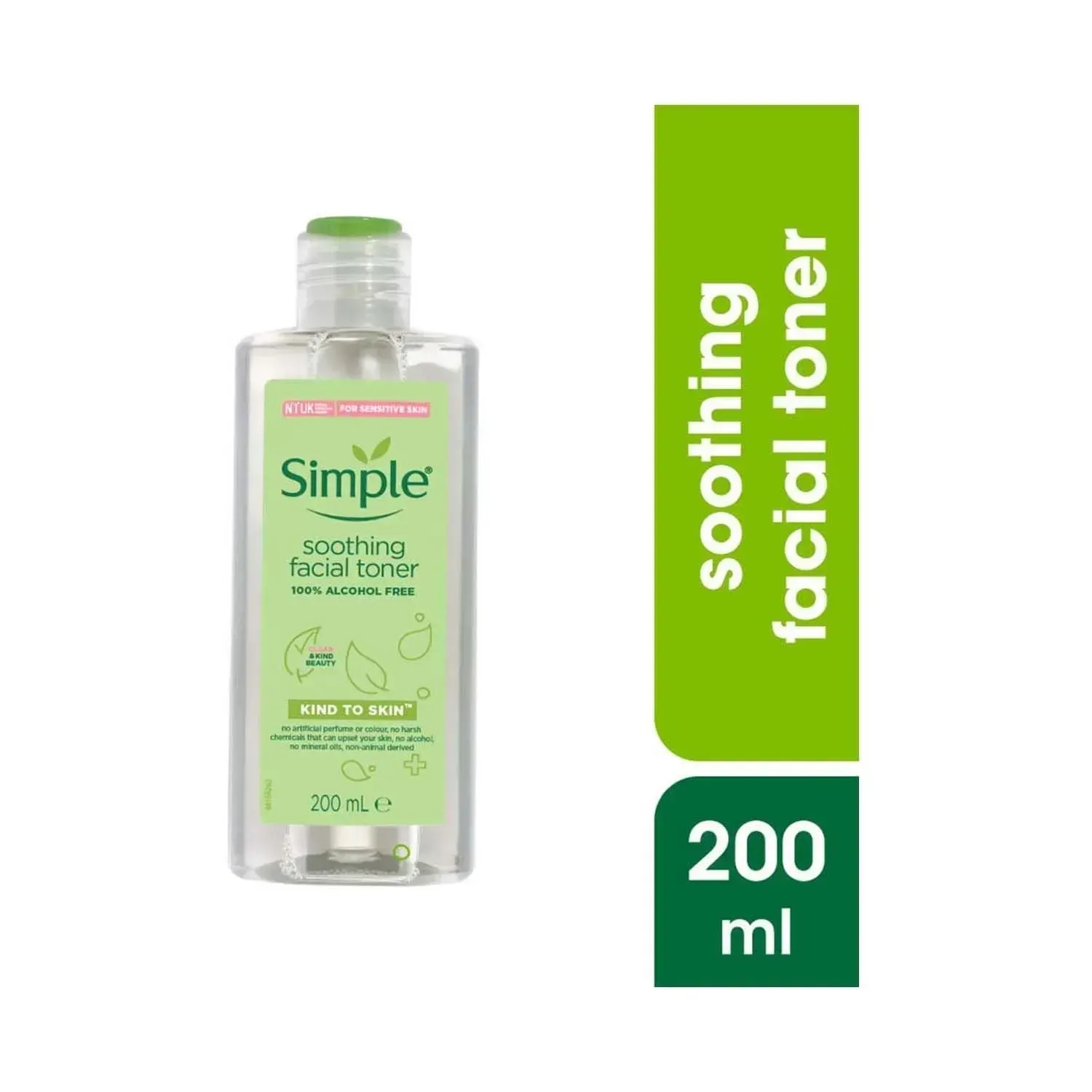
Simple Kind to skin soothing fa…
|
|
|---|---|---|---|---|---|
| Price | 349 | 1650 | 1250 | 350 | 460 |
| Ingredients Count | 18 | 20 | 13 | 19 | 18 |
| Skintype | All skin types | Sensitive | All skin types | All skin types | Sensitive |
| Formulation | Liquid | Liquid | Liquid | Liquid | Liquid |
 skinethix
 skinethix
 skinethix
 skinethix