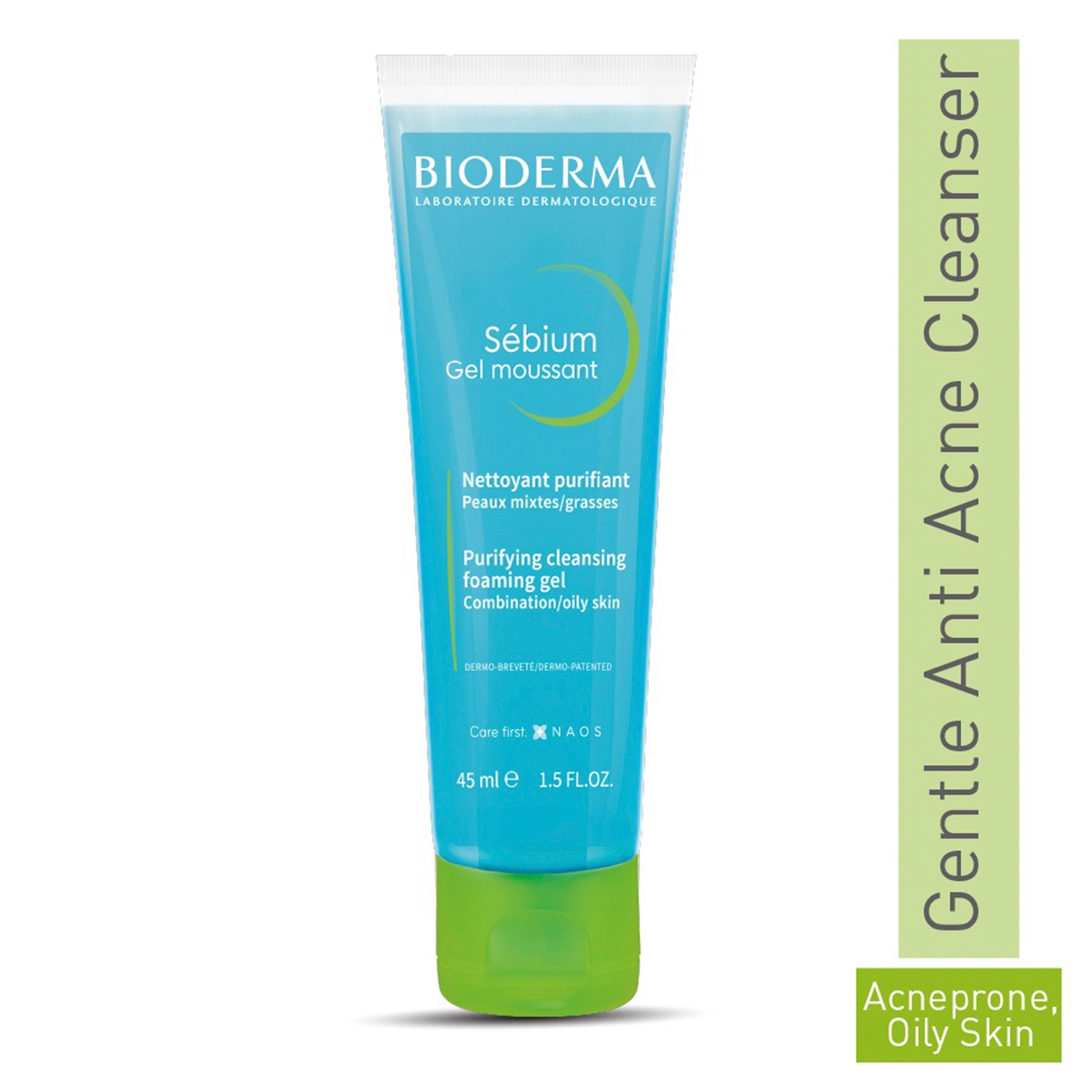
MRP : 449
This article reviews the formulations and the mode of action of hair cosmetics: Shampoos, conditioners, hair straightening products, hair dyes and henna; regarding their prescription and safetiness. Know All Details...
Information Unavailable at the moment Know All Details...
Sodium Laureth Sulfate (SLES) is a surfactant derived from ethoxylated lauryl alcohol. It is commonly used in cosmetics and personal care products as a foaming agent, emulsifier, and cleanser. SLES can be contaminated with potentially toxic manufacturing impurities such as 1,4-dioxane and ethylene oxide. It can cause skin irritation, eye irritation, and respiratory problems. SLES is generally considered safe for use in products that are rinsed off, such as shampoos and body washes, but it should be avoided in leave-on products for those with sensitive skin. Know All Details...
I am sorry, but the provided context does not contain any information related to skincare ingredients. Therefore, I am unable to extract the requested data from the provided context. Know All Details...
Disodium EDTA is a chelating agent used in cosmetics to enhance stability and aid preservatives. It is safe for use in cosmetics up to 0.85% concentration in leave-on products. It can also enhance skin absorption of other ingredients. However, it is recommended to avoid products containing Disodium EDTA as it is a 'penetration enhancer', which means it disrupts the surface of skin cells and allows other chemicals to get in more easily. Know All Details...
Mannitol, a sugar alcohol, is commonly used in food, pharmaceutical, and cosmetic applications. In cosmetics, it serves as a humectant and is incorporated into skin hydration formulations and skincare preparations. Know All Details...
Niacinamide is a form of vitamin B3 that is commonly used in skincare products. It is known for its ability to improve skin texture, reduce the appearance of fine lines and wrinkles, and brighten the skin. Niacinamide is also helpful in reducing the appearance of hyperpigmentation and acne. Know All Details...
Rhamnose, a sugar derived from plants like Buckthorn, poison sumac, and birch trees, is used in skincare as an emulsifier, improving the texture and consistency of cosmetic products. Rhamnolipids, formed by combining rhamnose with hydroxyl fatty acids, act as surfactants, reducing surface tension and allowing ingredients with different solubility to blend better. Rhamnose has also been patented for its potential anti-aging and anti-wrinkle properties. Additionally, it exhibits skin-soothing benefits, boosts skin hydration, and inhibits advanced glycation end products (AGEs), which degrade skin's firm look. Teflose®, a polysaccharide obtained by bacterial fermentation, contains 60% rhamnose and has high anti-inflammatory and soothing power. Know All Details...
Fructooligosaccharides (FOS) are a type of oligosaccharides and carbohydrates used in skincare for their moisturizing, prebiotic, and potential antioxidant properties. They are composed of short chains of 3-10 fructose units. FOS helps promote skin's moisture retention, nourishes and supports a healthy skin microbiome, and has potential antioxidant activity. Know All Details...
Information Unavailable at the moment Know All Details...
Information Unavailable at the moment Know All Details...
Ginkgo biloba, also known as the maidenhair tree, is a popular ingredient in traditional medicine and skincare products. It is believed to have antioxidant, circulatory, and skin-soothing benefits. Ginkgo is available in various forms, including oral tablets, extracts, capsules, and tea. However, raw or roasted ginkgo seeds should be avoided as they can be poisonous. Know All Details...
PEG-90 Glyceryl Isostearate is a synthetic ingredient that is not found in nature. It is made by reacting polyethylene glycol with glyceryl isostearate. It is used in cosmetics and personal care products as an emulsifier, emollient, and surfactant. It is generally considered safe for use in cosmetics, but there are some concerns about its potential to cause skin irritation and other health effects. Know All Details...
Lactic acid is a common ingredient in skincare products. It is an alpha hydroxy acid (AHA) that helps remove dead skin cells, smooth rough areas, and moisturize the skin. Lactic acid is also used in some skincare products to improve skin texture, tone, and appearance, reduce dark spots, smooth fine lines and wrinkles, unblock and cleanse pores, thicken and tighten skin, fade sun spots, and smooth fine lines. Know All Details...
Sodium laureth sulfate (SLES) is a surfactant commonly found in beauty and cleaning products. It is used as a cleansing and foaming agent. SLES is derived from palm kernel oil or coconut oil. It is an inexpensive and very effective foaming agent. SLES is an irritant and can cause skin irritation, especially in individuals with sensitive skin. It may also cause eye irritation and respiratory problems if inhaled. Know All Details...
Potassium sorbate is a preservative used in skincare and cosmetics to extend shelf life and maintain product stability. It has antibacterial and antifungal properties, preventing the growth of harmful microorganisms, bacteria, fungi, and mold. Potassium sorbate is generally considered safe for use in skincare products, with a low risk of irritation. Know All Details...
Sodium chloride, commonly known as table salt, is a multifunctional ingredient used in cosmetics and skincare products as a binder, oral care agent, gentle abrasive, thickening agent, and preservative. It is generally considered safe for use in cosmetics and is non-irritating and non-drying. However, it can potentially dehydrate the skin if used in high concentrations. Sodium chloride is also used as an exfoliant in body and face scrubs to remove makeup, excess oil, dirt, and other impurities. Know All Details...
Propylene glycol is a synthetic ingredient commonly used in skincare products as a humectant, solvent, emollient, and preservative. It attracts water, boosts other ingredients, lightly moisturizes, addresses visible signs of aging, enhances penetration, prevents water loss, and is safe for acne-prone skin. However, it can cause allergic reactions and irritation in some individuals. It is a penetration-enhancing humectant, which means that it can allow harmful toxins to permeate the skin. Propylene glycol is also used in food, cosmetics, and pharmaceutical products, and as a base for deicing solutions. Know All Details...
Sodium hydroxide is a highly alkaline ingredient commonly found in soaps, detergents, and cleaning products. It is also used in the production of paper, fuel cells, and various medications. Sodium hydroxide is corrosive and can cause severe burns and irritation to the skin, eyes, and respiratory tract. It is important to handle and store sodium hydroxide properly to avoid accidental exposure. Know All Details...
Bergamot essential oil is extracted from the fruit of the Bergamot tree, which belongs to the Rutaceae family. It is known for its refreshing and stimulating scent, and it has been used for centuries in aromatherapy and skincare products. Bergamot oil has antibacterial and anti-inflammatory properties, making it beneficial for acne-prone skin. It also helps to reduce excess sebum production and tighten pores. Additionally, bergamot oil is believed to have mood-boosting and stress-relieving effects. Know All Details...
|
Bioderma Sebium face and body wash mou…
|
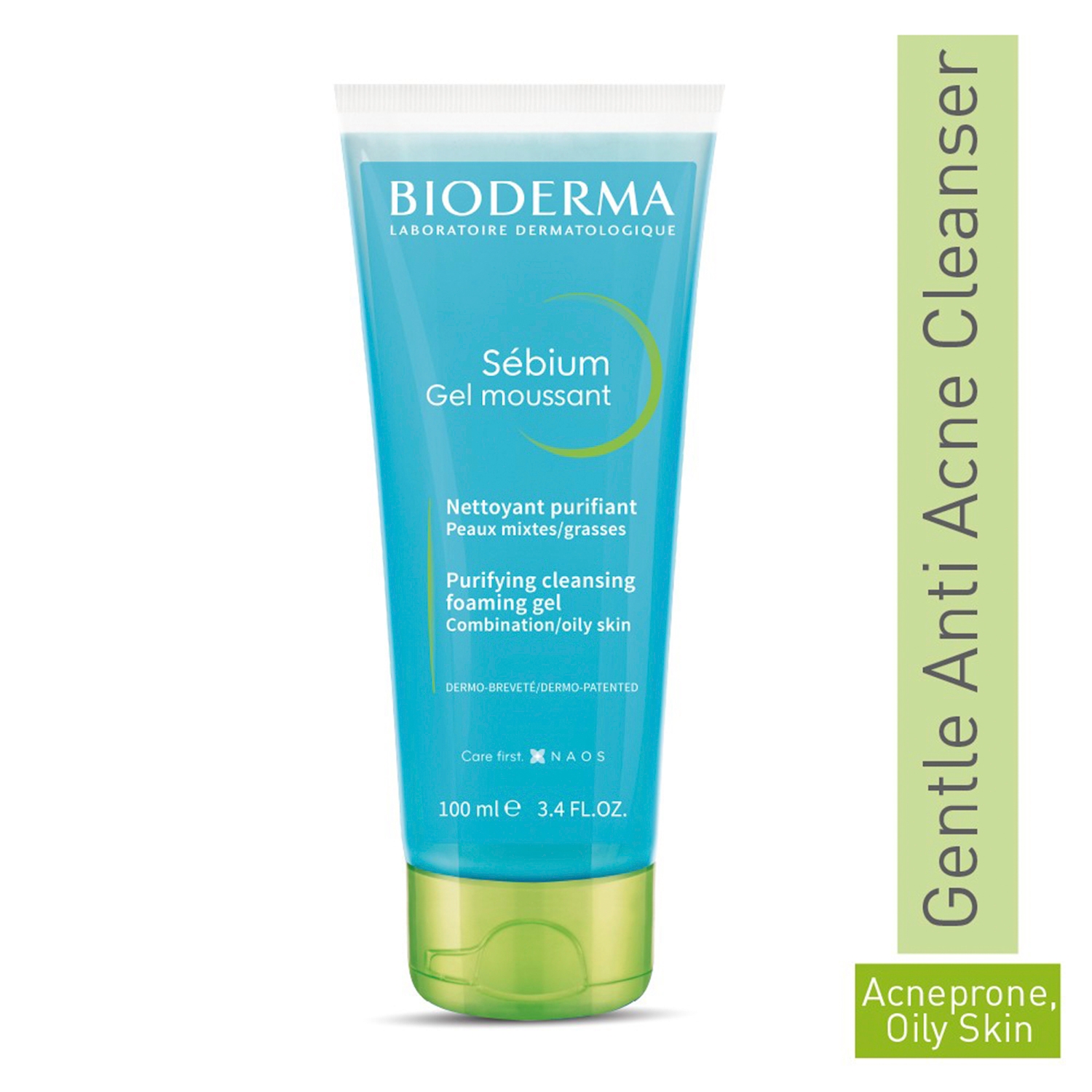
Bioderma Sebium gel moussant puri…
|
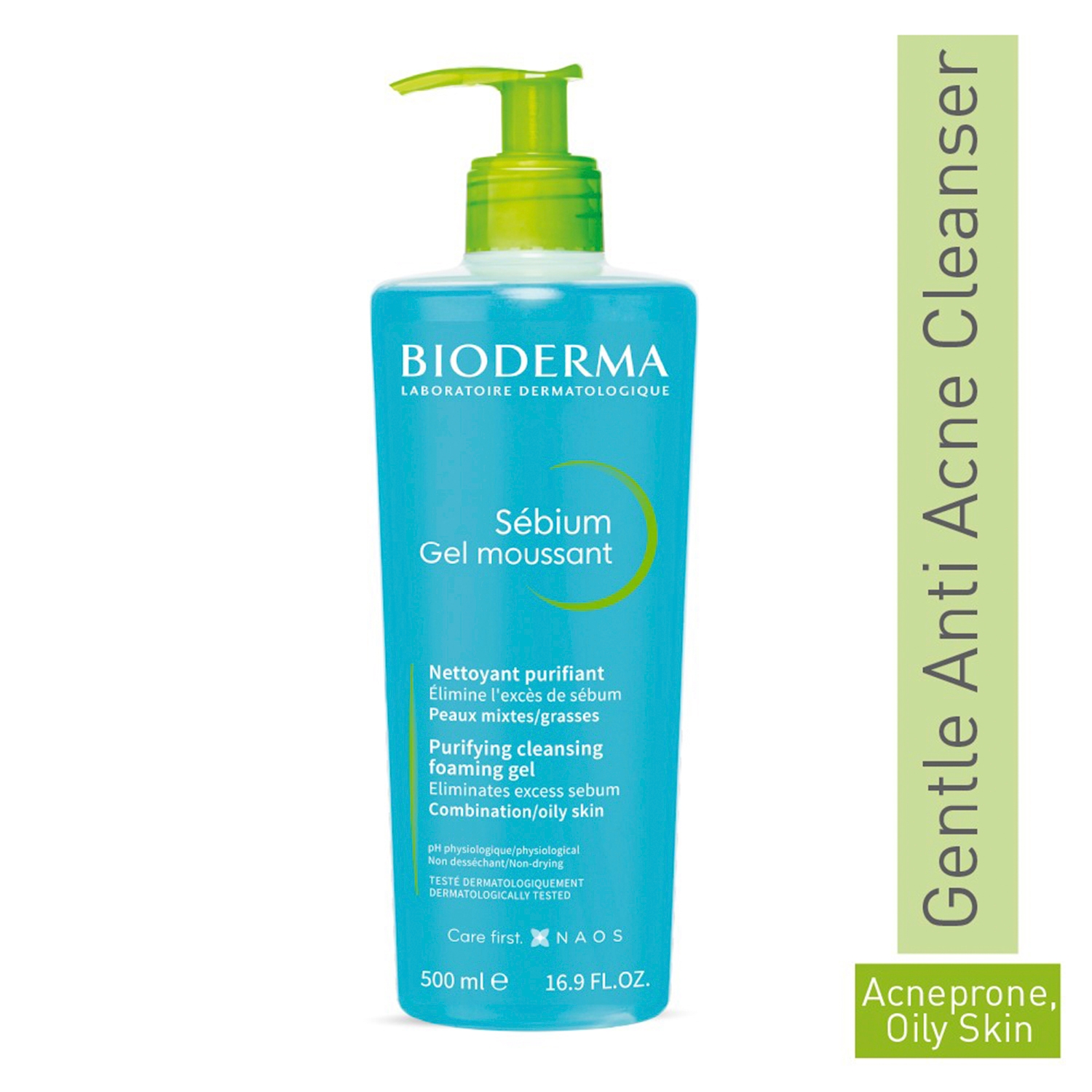
Bioderma Sebium face and body was…
|
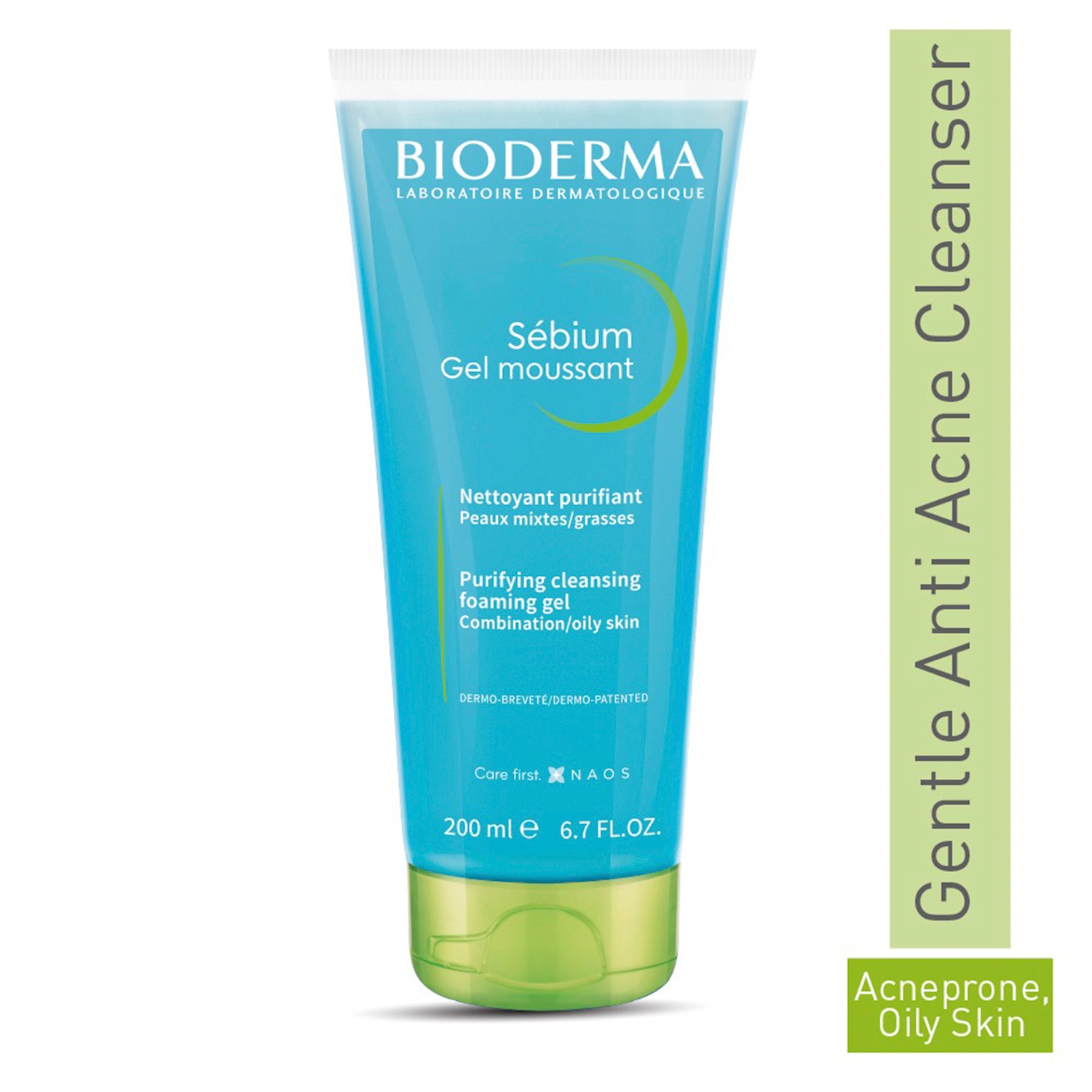
Bioderma Sebium face and body was…
|
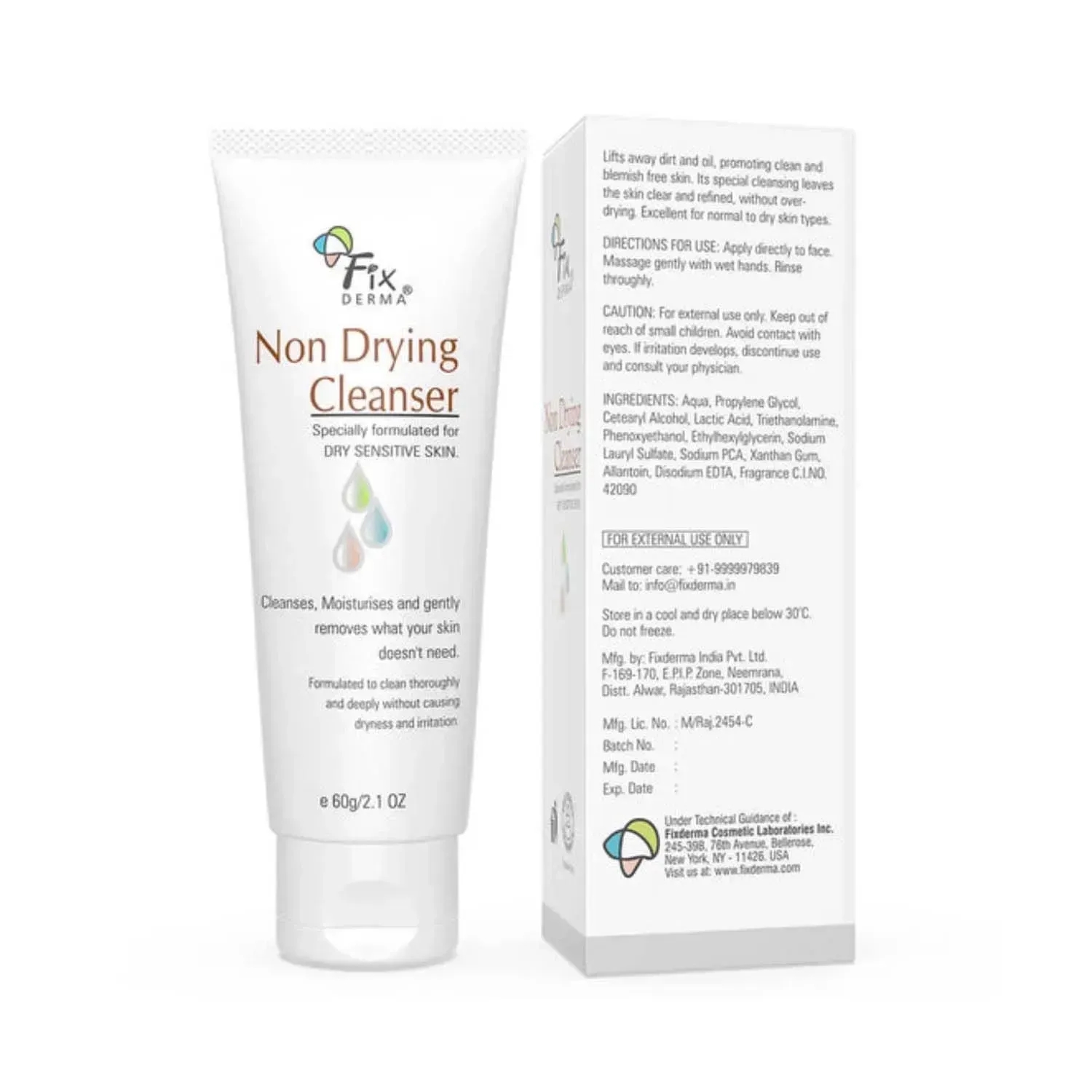
Fixderma Non drying cleanser (60g)
|
|
|---|---|---|---|---|---|
| Price | 449 | 899 | 2399 | 1699 | 195 |
| Ingredients Count | 20 | 20 | 20 | 20 | 13 |
| Skintype | Oily | Oily | Oily | Oily | All skin types |
| Formulation | Gel | Gel | Gel | Gel | Lotion |
 skinethix
 skinethix
 skinethix
 skinethix