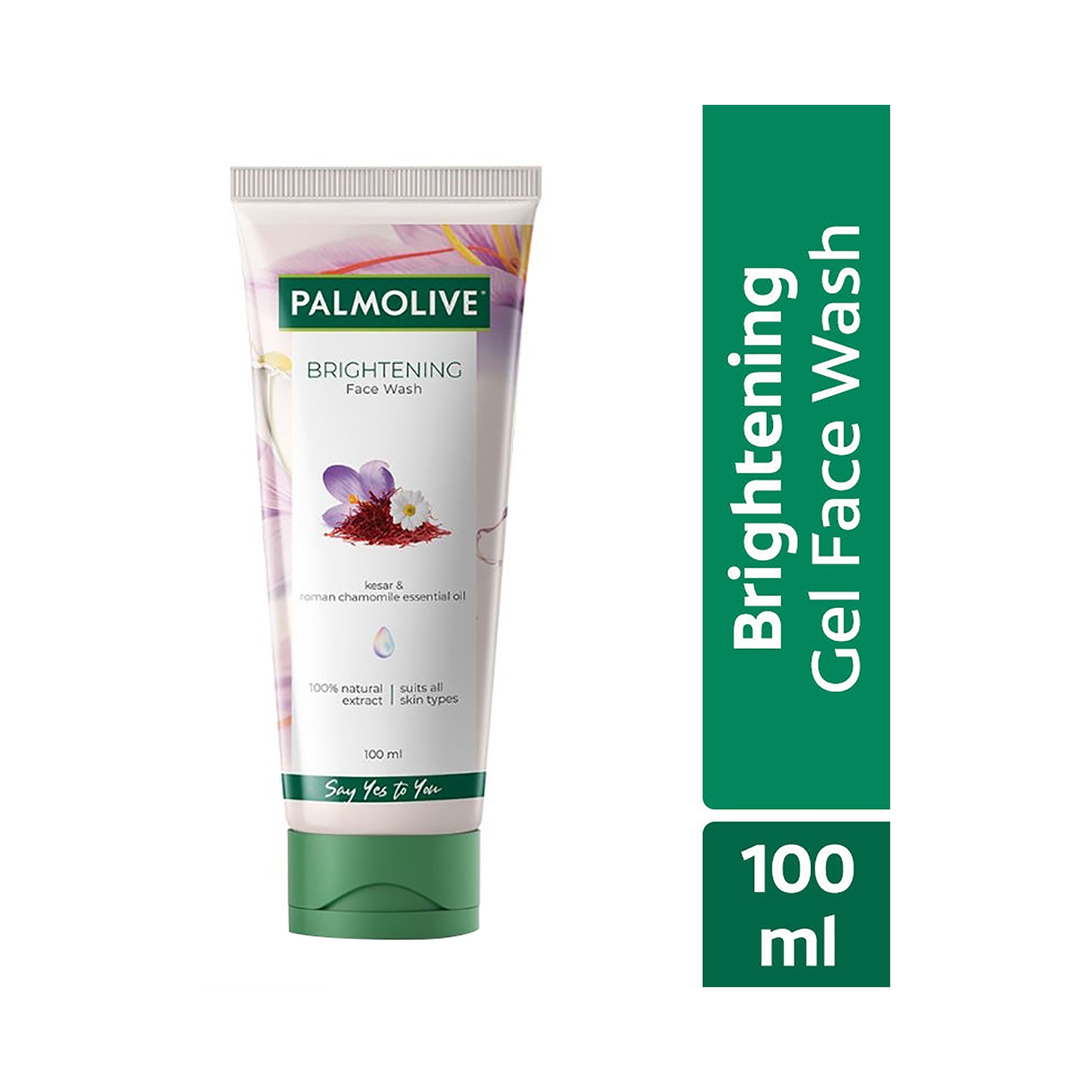
MRP : 299
This article reviews the formulations and the mode of action of hair cosmetics: Shampoos, conditioners, hair straightening products, hair dyes and henna; regarding their prescription and safetiness. Know All Details...
Sodium Laureth Sulfate (SLES) is a surfactant derived from ethoxylated lauryl alcohol. It is commonly used in cosmetics and personal care products as a foaming agent, emulsifier, and cleanser. SLES can be contaminated with potentially toxic manufacturing impurities such as 1,4-dioxane and ethylene oxide. It can cause skin irritation, eye irritation, and respiratory problems. SLES is generally considered safe for use in products that are rinsed off, such as shampoos and body washes, but it should be avoided in leave-on products for those with sensitive skin. Know All Details...
Glycerin, a natural humectant found in plants, animals, and humans, is a colorless, odorless, and sweet-tasting liquid derived from fats and oils. It attracts and retains moisture from the air, making it an excellent ingredient for hydrating and moisturizing the skin. Glycerin also helps create a barrier on the skin, preventing moisture loss, and reduces the appearance of fine lines and wrinkles. Know All Details...
Cocamidopropyl betaine is a surfactant used in skincare products, primarily face and body washes. It is derived from coconut oil or synthetically produced. It helps increase lather and foam in cleansers. While it is generally safe for most skin types, impurities resulting from poor manufacturing can cause sensitization. Know All Details...
Sodium chloride, commonly known as table salt, is a multifunctional ingredient used in cosmetics and skincare products as a binder, oral care agent, gentle abrasive, thickening agent, and preservative. It is generally considered safe for use in cosmetics and is non-irritating and non-drying. However, it can potentially dehydrate the skin if used in high concentrations. Sodium chloride is also used as an exfoliant in body and face scrubs to remove makeup, excess oil, dirt, and other impurities. Know All Details...
Polyethylene and Acrylates Copolymer are two commonly used microplastics in cosmetics. Polyethylene is a synthetic thermoplastic polymer used to unite surfaces, dilute solids, increase thickness, and form coatings. Acrylates Copolymer is a group of polymers known for their transparency, resistance to breakage, and elasticity. They are used as stabilizers, waterproof agents, hair setters, antistatic agents, and adhesives. Styrene acrylates copolymer is a chain of polymers consisting of styrene and acrylate which is added to cosmetics for color. There is the potential for styrena acrylates copolymer to be contaminated with styrene, a possible carcinogen. Know All Details...
Niacinamide, also known as nicotinamide, is a form of vitamin B3. It is found in many foods including meat, fish, milk, eggs, green vegetables, and cereals. Niacinamide is required for the function of fats and sugars in the body and to maintain healthy cells. It is a multipurpose skin care ingredient that helps build keratin, a protein that maintains skin health. It also helps to calm redness, reduce the appearance of pores, protect against skin cancer, treat dark spots, and reduce wrinkles and fine lines. Niacinamide can be used as part of a daily skincare routine to promote hydrated, smooth, and even-toned skin. Know All Details...
Lactic acid is a common ingredient in skincare products. It is an alpha hydroxy acid (AHA) that helps remove dead skin cells, smooth rough areas, and moisturize the skin. Lactic acid is also used in some skincare products to improve skin texture, tone, and appearance, reduce dark spots, smooth fine lines and wrinkles, unblock and cleanse pores, thicken and tighten skin, fade sun spots, and smooth fine lines. Know All Details...
Sodium benzoate is a preservative used in cosmetics, personal care products, and food to prevent the growth of microorganisms. It is effective against fungi and bacteria, but it is not a broad-spectrum preservative and should be combined with other preservatives. Sodium benzoate is generally safe for use in cosmetics, but it can cause allergic contact dermatitis in some people, especially those with sensitive skin or a history of skin allergies. It can also interact with vitamin C to produce benzene, a known carcinogen. Know All Details...
Beta Hydroxy Acids (BHAs) are a group of exfoliating ingredients used in skincare products to reduce the signs of aging and improve skin texture. Salicylic acid is the most commonly used BHA in cosmetics. Sodium Salicylate is the sodium salt of salicylic acid and is used as a preservative in cosmetics. It is not an exfoliant like salicylic acid. Know All Details...
Fragrances are complex combinations of natural or synthetic substances added to many consumer products to give them a distinct scent. They can be derived from natural sources like plants and flowers or synthetic sources. Fragrances are used in cosmetics, personal care products, and household items to enhance the user's experience. However, some fragrances can cause skin rashes, allergies, and irritant reactions. Know All Details...
Sodium hydroxide is a highly alkaline ingredient commonly found in soaps, detergents, and cleaning products. It is also used in the production of paper, fuel cells, and various medications. Sodium hydroxide is corrosive and can cause severe burns and irritation to the skin, eyes, and respiratory tract. It is important to handle and store sodium hydroxide properly to avoid accidental exposure. Know All Details...
Polyquaternium-7 (PQ7) is a synthetic polymer used in cosmetics and toiletries for its conditioning, detangling, moisturizing, and lather-enhancing properties. It is a multifunctional component that provides benefits to both hair and skin. However, it can cause persistent stains on textiles, especially when used in shampoos and shower gels. It is restricted in cosmetics and has use, concentration, or manufacturing restrictions. Know All Details...
Tetrasodium EDTA is a chelating agent used in cosmetics to bind metals and prevent them from reacting negatively with other ingredients. It helps soaps and lotions lather better and foam properly. It also prevents the growth of fungi and mold, protects fragrances, and works well in hard water. However, it is made from known carcinogens, formaldehyde, and sodium cyanide, and can irritate the skin and eyes. It also increases the penetrability of the natural skin barrier and allows deeper penetration by other ingredients. Know All Details...
Saffron, a vibrant red spice derived from the saffron crocus plant, has been traditionally used in cooking and herbal remedies. It's gaining popularity in skincare for its potential benefits in reducing inflammation, fighting acne, supporting wound healing, and reducing hyperpigmentation. Know All Details...
Chamomile extract, also known as Chamomilla Recutita (Matricaria) Flower Extract, is a popular skincare ingredient known for its soothing, anti-aging, anti-inflammatory, and antimicrobial properties. It is rich in phenolic compounds, primarily flavonoids, which act as antioxidants. It can be used to treat a variety of cosmetic and surface-level ailments like acne, skin discoloration, skin irritations, rashes, and many others. It is also beneficial for treating skin conditions such as eczema and acne. Know All Details...
Vitamin E is a fat-soluble antioxidant that protects the skin from various deleterious effects due to solar radiation by acting as a free-radical scavenger. It is found in our sebum (skin oil), which creates a natural barrier to keep moisture in your skin. It is also depleted by ultraviolet light (UV) sources like sunlight, tanning beds, and some fluorescent, halogen, and incandescent light bulbs. Vitamin E acetate is strongly linked to the EVALI outbreak. Vitamin E acetate has been found in product samples tested by FDA and state laboratories and in patient lung fluid samples tested by CDC from geographically diverse states. Know All Details...
Anthemis Nobilis Flower Oil, also known as Roman Chamomile Oil, is extracted from the flowers of the Anthemis nobilis plant through steam distillation. It is renowned for its soothing, calming, and anti-inflammatory properties, making it a popular ingredient in skincare products. It is rich in flavonoids, such as apigenin, luteolin, and quercetin, which contribute to its antioxidant and anti-inflammatory properties. Know All Details...
Hexyl cinnamal is a naturally occurring and synthetic fragrance ingredient used in perfumes and fragranced skincare products. It imparts a jasmine-like scent. It is associated with allergic reactions and is considered a skin sensitizer. It is derived from chamomile oil and is used as a masking ingredient in many foundations and skin creams. It is also found in cinnamon and cinnamon-related fragrances. Know All Details...
Red 4 (CI 14700) is a synthetic colorant commonly used in skincare and makeup products to impart a vibrant red hue with an orange or yellow undertone. It is approved for use in cosmetics by regulatory bodies like the U.S. FDA and the European Union's SCCS. However, it belongs to the azo dye family, which has been linked to potential health risks such as mutagenicity, genotoxicity, and carcinogenicity. Know All Details...
The provided context does not contain any information related to skincare ingredients. Therefore, I am unable to add more details to the given summary. Know All Details...
|
Palmolive Brightening gel face wash (10…
|
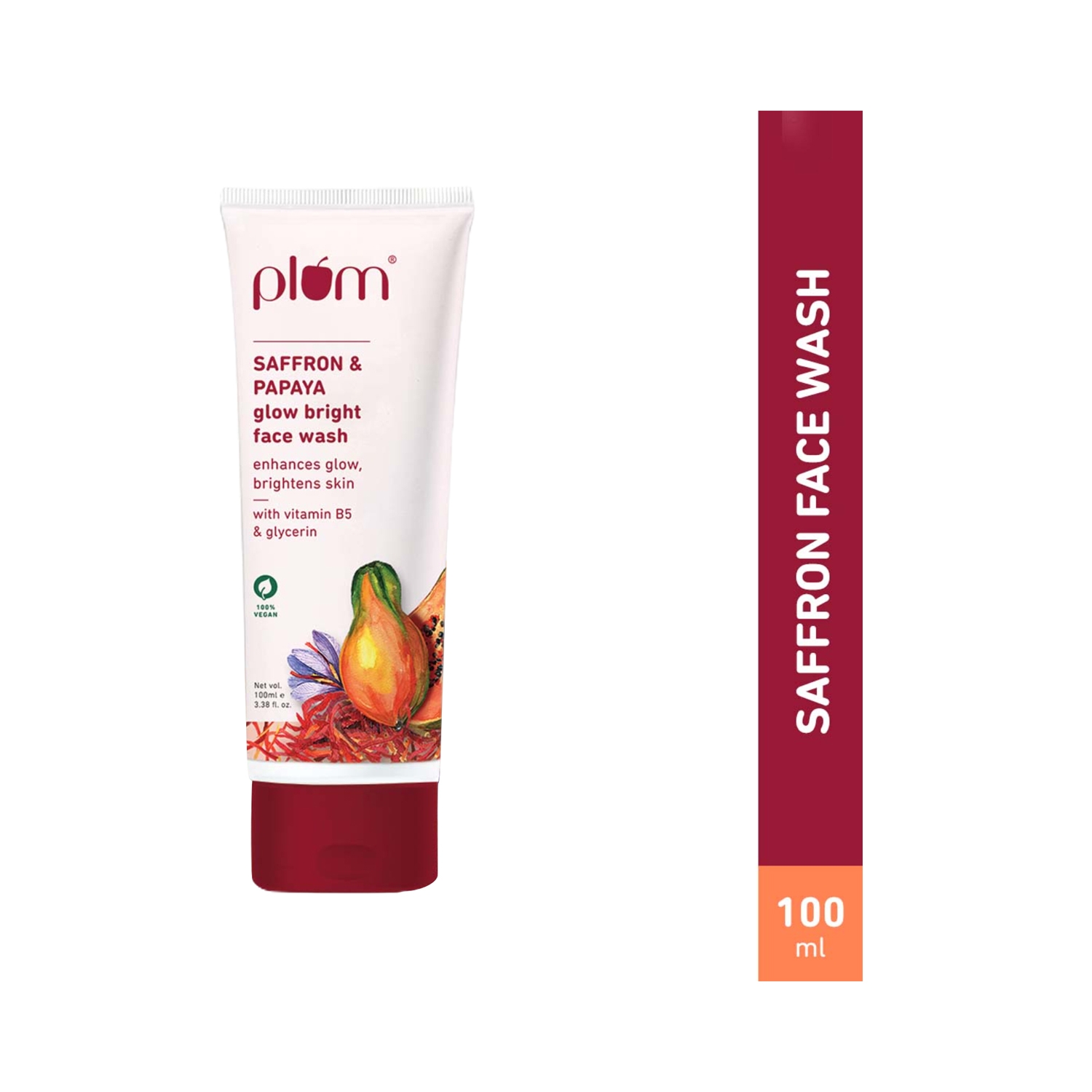
Plum Saffron & papaya glow br…
|
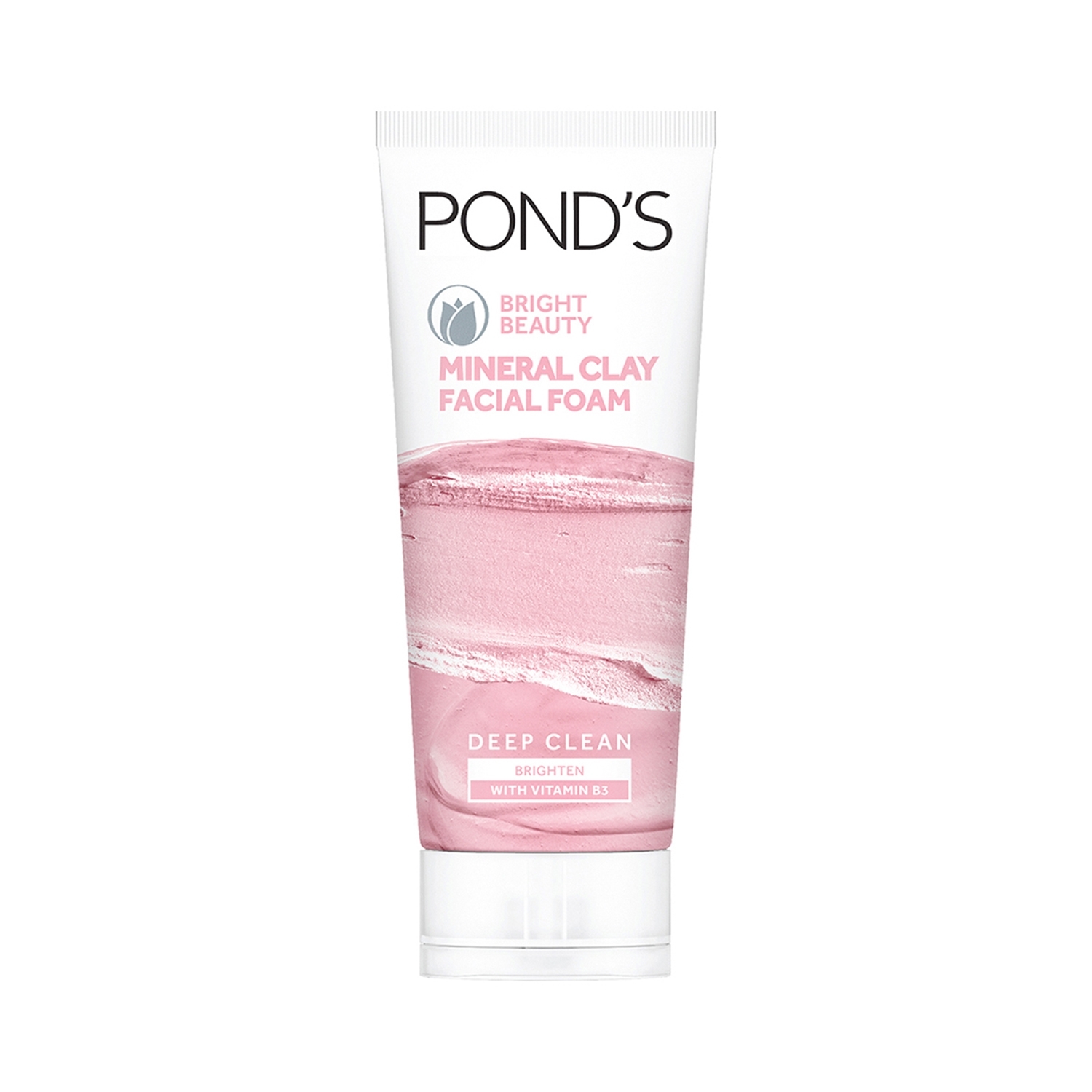
Pond's Bright beauty mineral cl…
|
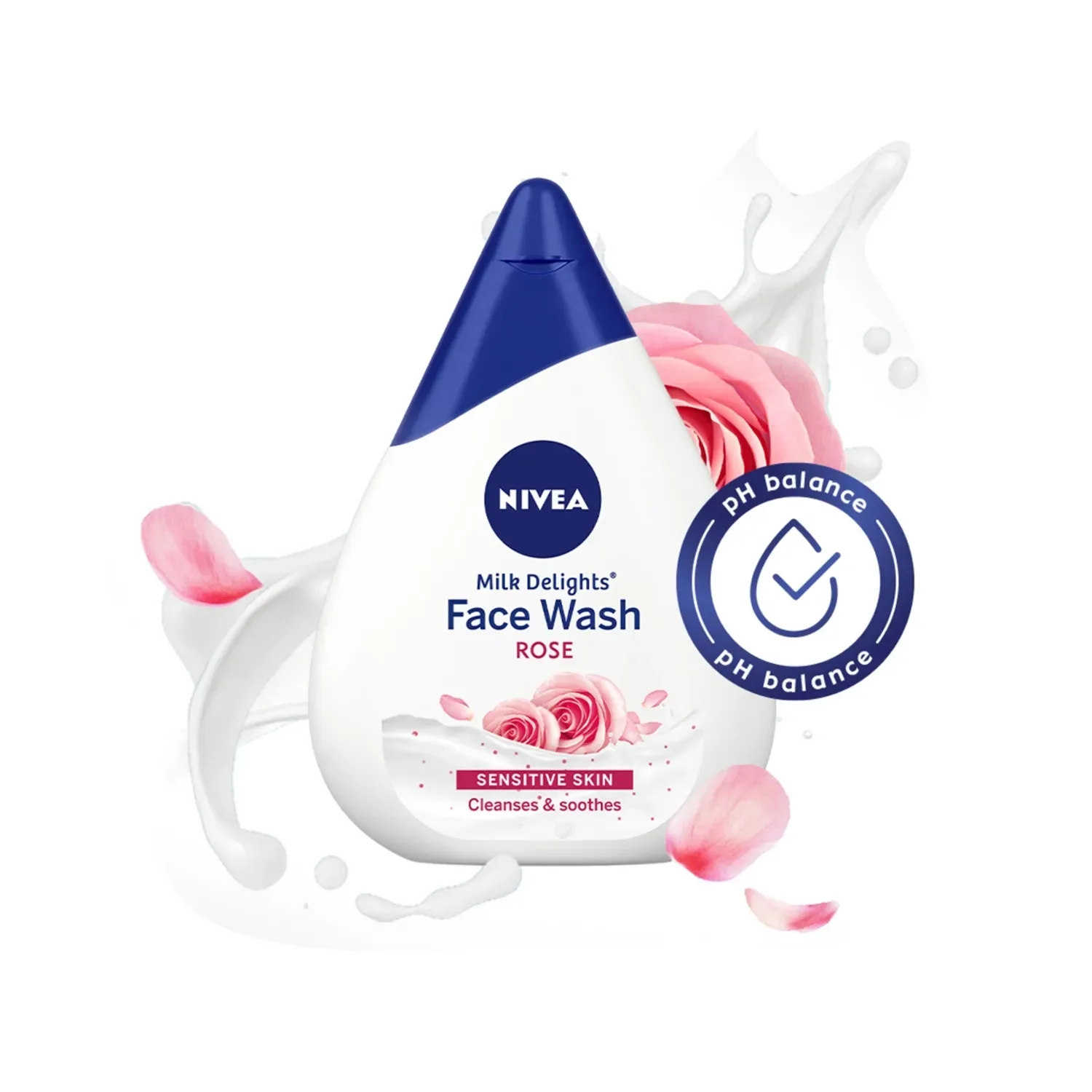
Nivea Milk delights caring ros…
|
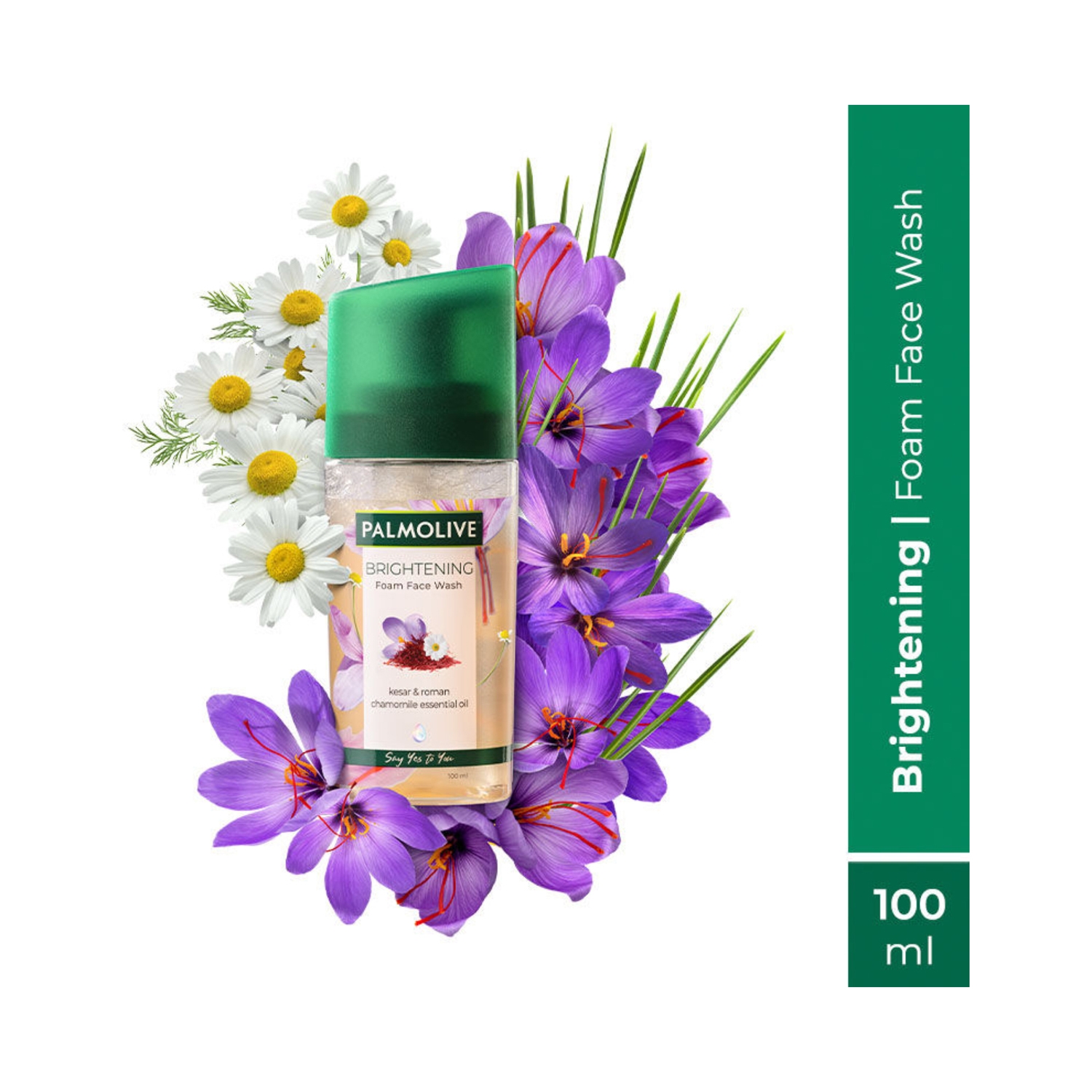
Palmolive Brightening foam face wa…
|
|
|---|---|---|---|---|---|
| Price | 299 | 249 | 250 | 230 | 425 |
| Ingredients Count | 21 | 22 | 22 | 30 | 20 |
| Skintype | All skin types | All skin types | All skin types | Sensitive | All skin types |
| Formulation | Gel | Foam |
 skinethix
 skinethix
 skinethix
 skinethix