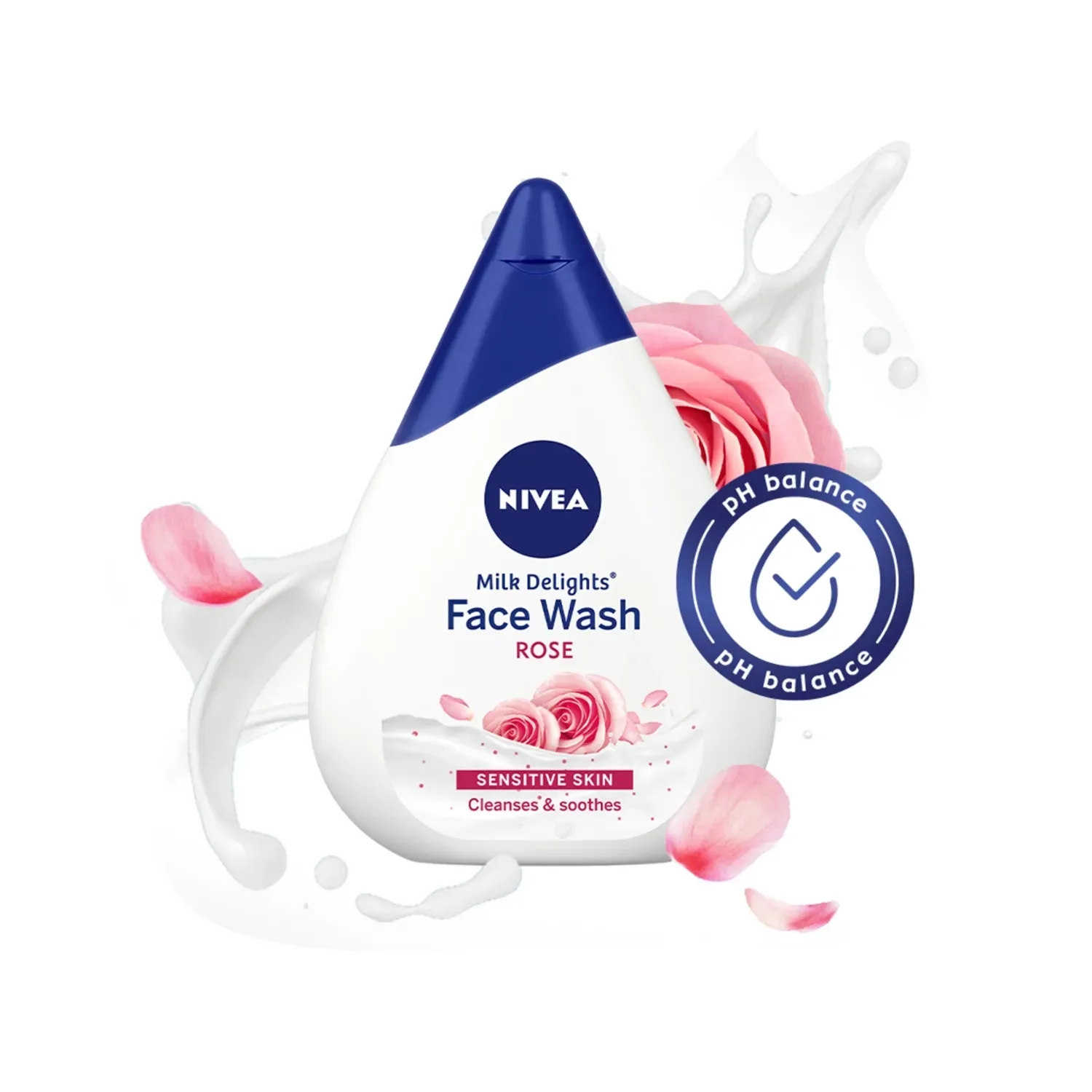
MRP : 230
This article reviews the formulations and the mode of action of hair cosmetics: Shampoos, conditioners, hair straightening products, hair dyes and henna; regarding their prescription and safetiness. Know All Details...
Glycerin, a natural humectant found in plants, animals, and humans, is a colorless, odorless, and sweet-tasting liquid derived from fats and oils. It attracts and retains moisture from the air, making it an excellent ingredient for hydrating and moisturizing the skin. Glycerin also helps create a barrier on the skin, preventing moisture loss, and reduces the appearance of fine lines and wrinkles. Know All Details...
Cocamidopropyl betaine is a surfactant used in skincare products, primarily face and body washes. It is derived from coconut oil or synthetically produced. It helps increase lather and foam in cleansers. While it is generally safe for most skin types, impurities resulting from poor manufacturing can cause sensitization. Know All Details...
Polyethylene and Acrylates Copolymer are two commonly used microplastics in cosmetics. Polyethylene is a synthetic thermoplastic polymer used to unite surfaces, dilute solids, increase thickness, and form coatings. Acrylates Copolymer is a group of polymers known for their transparency, resistance to breakage, and elasticity. They are used as stabilizers, waterproof agents, hair setters, antistatic agents, and adhesives. Styrene acrylates copolymer is a chain of polymers consisting of styrene and acrylate which is added to cosmetics for color. There is the potential for styrena acrylates copolymer to be contaminated with styrene, a possible carcinogen. Know All Details...
Sodium Myreth Sulfate is a salt used in cosmetics and personal care products as a surfactant, which helps to cleanse and emulsify. It is safe for use in cosmetics with some limitations. It is commonly found in cleansing products like bubble baths, bath soaps, and shampoos. Know All Details...
Phenoxyethanol is a synthetic preservative used in cosmetic products to prevent bacterial growth. It is also used as a stabilizer in perfumes and soaps. It is found in various cosmetic products like moisturizers, eye shadows, foundations, sunscreens, conditioners, mascaras, eye liners, shampoos, lip glosses, concealers, body washes, hand creams, blushes, hair colors, hair sprays, lip balms, lotions, nail polishes, baby wipes, baby lotions and soaps, soaps, shaving creams, deodorants, toothpastes, fragrances, hair removal waxes, hand sanitizers, ultrasound gels, and vaccines. Phenoxyethanol is an oily, sticky substance with a pleasant odor often compared to roses. It helps to prevent fungi, bacteria, and yeast from growing in your products, giving them a longer shelf life and ensuring safety. Know All Details...
Sodium chloride, commonly known as table salt, is a multifunctional ingredient used in cosmetics and skincare products as a binder, oral care agent, gentle abrasive, thickening agent, and preservative. It is generally considered safe for use in cosmetics and is non-irritating and non-drying. However, it can potentially dehydrate the skin if used in high concentrations. Sodium chloride is also used as an exfoliant in body and face scrubs to remove makeup, excess oil, dirt, and other impurities. Know All Details...
Lactose, a disaccharide found in milk, is gaining popularity in skincare for its hydrating and nourishing properties. It is a nutrient for beneficial bacteria like Lactobacillus and Bifidobacteria, helping to balance skin microbiota and promote a healthy complexion. Lactose also produces lactic acid, a natural moisturizer and exfoliant that enhances skin renewal and radiance. Additionally, its water-binding properties provide hydration, volume, and elasticity, reducing the appearance of fine lines and wrinkles. Know All Details...
Parabens are a group of preservatives used in cosmetics to prevent the growth of bacteria and mold. They are commonly found in makeup, moisturizers, hair care products, and shaving products. Parabens are effective in preventing the growth of mold, fungi, and harmful pathogens. However, some studies have raised concerns about their potential health effects, including skin irritation, allergic reactions, and endocrine disruption. Know All Details...
Methylparaben is a preservative commonly found in cosmetic products to prevent the growth of harmful bacteria and mold. It is also found naturally in some fruits and may be used as a food preservative or an antifungal preservative. It is absorbed through the skin when applied in cosmetic products and quickly excreted from the body. Know All Details...
Cellulose hydrogel is a sustainable and multifunctional ingredient used in cosmetics. It is made from cellulose microfibers suspended in water and is derived from domestic bamboo. Cellulose hydrogel has various benefits, including providing a great skin feel, stabilizing emulsions, tuning viscosity of liquid formulations, enabling easy spread and spray of thick formulations, improving moisturizing effects, and acting as a carrier for bioactive ingredients. It is also biodegradable, COSMOS-validated, and vegan suitable. Know All Details...
Polyquaternium-7 (PQ7) is a synthetic polymer used in cosmetics and toiletries for its conditioning, detangling, moisturizing, and lather-enhancing properties. It is a multifunctional component that provides benefits to both hair and skin. However, it can cause persistent stains on textiles, especially when used in shampoos and shower gels. It is restricted in cosmetics and has use, concentration, or manufacturing restrictions. Know All Details...
Potassium Cocoate is a potassium salt derived from coconut oil. It is a natural surfactant that helps remove dirt and grease from surfaces. It is commonly used in soaps, shampoos, and scrubs for its foaming and cleansing properties. It is an excellent choice for sulfate-free formulations and imparts substantivity on skin and hair. Know All Details...
Sodium hydroxide is a highly alkaline ingredient commonly found in soaps, detergents, and cleaning products. It is also used in the production of paper, fuel cells, and various medications. Sodium hydroxide is corrosive and can cause severe burns and irritation to the skin, eyes, and respiratory tract. It is important to handle and store sodium hydroxide properly to avoid accidental exposure. Know All Details...
PEG-14M is a synthetic ingredient that functions as a humectant and solvent in skincare formulations. It can help boost skin’s hydration while also making a formula’s ingredients mesh more cohesively while improving the texture. It is considered safe for use in cosmetics and personal care products by CIR. However, it may be contaminated with 1,4-dioxane, a potential human carcinogen. Know All Details...
Information Unavailable at the moment Know All Details...
Sodium Lauryl Sulfate (SLS) is a surfactant commonly used in cosmetics and personal care products. It helps stabilize and thicken solutions with ingredients of differing solubility, allowing for easier and smoother application. SLS also possesses the capacity to alter the surface tension of the skin, making it more permeable and allowing for better absorption of skin-enhancing molecules. However, it is important to note that SLS can cause skin discomfort and dryness, especially when used in high concentrations or left on the skin for too long. Therefore, it is recommended to use SLS in conjunction with ceramides, which help replenish and address skin dryness and barrier disruption. Know All Details...
Sodium benzoate is a preservative used in cosmetics, personal care products, and food to prevent the growth of microorganisms. It is effective against fungi and bacteria, but it is not a broad-spectrum preservative and should be combined with other preservatives. Sodium benzoate is generally safe for use in cosmetics, but it can cause allergic contact dermatitis in some people, especially those with sensitive skin or a history of skin allergies. It can also interact with vitamin C to produce benzene, a known carcinogen. Know All Details...
Rose water is a natural skincare ingredient derived from the flowers of the Damask Rose. It has been used for centuries for its various skincare benefits, including its ability to cleanse, detoxify, and balance the pH of the skin. Rose water also has anti-inflammatory properties, which can help to calm and soothe the skin. It is also a good source of antioxidants, which can help to protect the skin from damage caused by free radicals. Know All Details...
Hydroxypropyl Methylcellulose (HPMC) is a semi-synthetic polymer used in skincare as a film-forming substance, binding agent, emulsion stabilizer, and texture enhancer. It is a hydrophilic (water-loving) modified cellulose polymer that's water soluble. It appears as a white or off-white powder in its raw material form and is typically sourced from cotton. It is safe for use in cosmetics and has a CIR rating of Good. Know All Details...
Potassium sorbate is a preservative used in skincare and cosmetics to extend shelf life and maintain product stability. It has antibacterial and antifungal properties, preventing the growth of harmful microorganisms, bacteria, fungi, and mold. Potassium sorbate is generally considered safe for use in skincare products, with a low risk of irritation. Know All Details...
Sorbic Acid is a naturally occurring compound used as a preservative in cosmetics, personal care products, foods, animal feeds, and pharmaceutical drugs. It is effective against fungi and yeast but less effective against bacteria. It is derived from the berries of the mountain ash tree, Sorbus aucuparia, Rosaceae, or synthesized by various processes. It is relatively safe for the skin, but may cause mild irritation in those who have an allergy to it. Sorbic Acid is also used as a humectant to keep the moisture within the product and avoid it drying out and becoming unusable. Know All Details...
Information Unavailable at the moment Know All Details...
Geraniol, a monoterpenoid alcohol, is found in various essential oils like citronella, evening primrose, and lemon peel oil. It has a sweet rose-like scent and is used in cosmetics as a fragrance, masking, and tonic ingredient. It is also known for its antioxidant properties and ability to soothe irritated skin. Geraniol is generally recognized as safe (GRAS) by the U.S. Food and Drug Administration (FDA) and the Flavor and Extract Manufacturers Association Expert Panel. Know All Details...
Information Unavailable at the moment Know All Details...
Benzyl alcohol is a naturally occurring and synthetic ingredient used as a solvent and preservative in skincare and cosmetic products. It has antibacterial and anti-fungal properties, making it effective in preserving products and preventing spoilage. It can also help stabilize formulas, dissolve ingredients, decrease viscosity, provide antioxidant properties, and impart a sweet floral scent. Benzyl alcohol is generally considered safe for use in concentrations up to 5%, but it can cause skin irritation and allergic reactions in some individuals. Know All Details...
I am sorry, but I am unable to provide a summary of skincare ingredients as the context does not contain any relevant information. Know All Details...
Fragrances are complex combinations of natural or synthetic substances added to many consumer products to give them a distinct scent. They can be derived from natural sources like plants and flowers or synthetic sources. Fragrances are used in cosmetics, personal care products, and household items to enhance the user's experience. However, some fragrances can cause skin rashes, allergies, and irritant reactions. Know All Details...
Titanium dioxide is a naturally occurring mineral used in cosmetics, sunscreens, and personal care products. It acts as a UV filter, pigment, brightener, and opacifier. It is considered safe for use in cosmetics and sunscreens, according to the U.S. Food and Drug Administration (FDA). However, when inhaled in powder form, it may pose a potential carcinogenic risk. Know All Details...
Red 30 and Red 30 Lake are synthetic colorants used in cosmetics and personal care products to provide a red or pink color. They are insoluble in water and are considered pigments. Red 30 is a deep pink color, while Red 30 Lakes are lighter shades. Both are very stable to light and heat. They are derived from coal tar and can be contaminated with lead and arsenic, which have been linked to cancer, neurological disorders, and reproductive toxicity. Know All Details...
|
Nivea Milk delights caring rosewate…
|
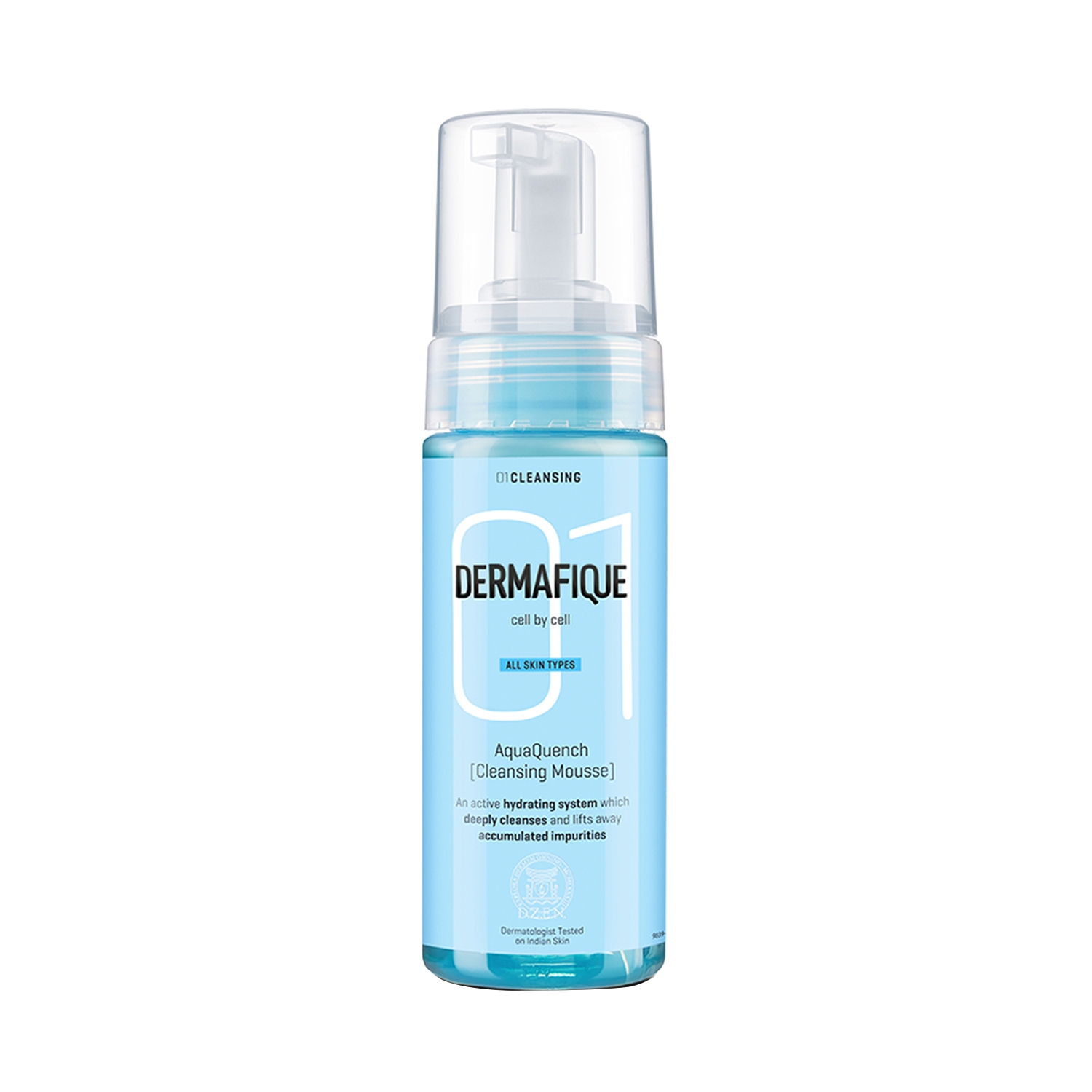
Dermafique Aquaquench cleansing mou…
|
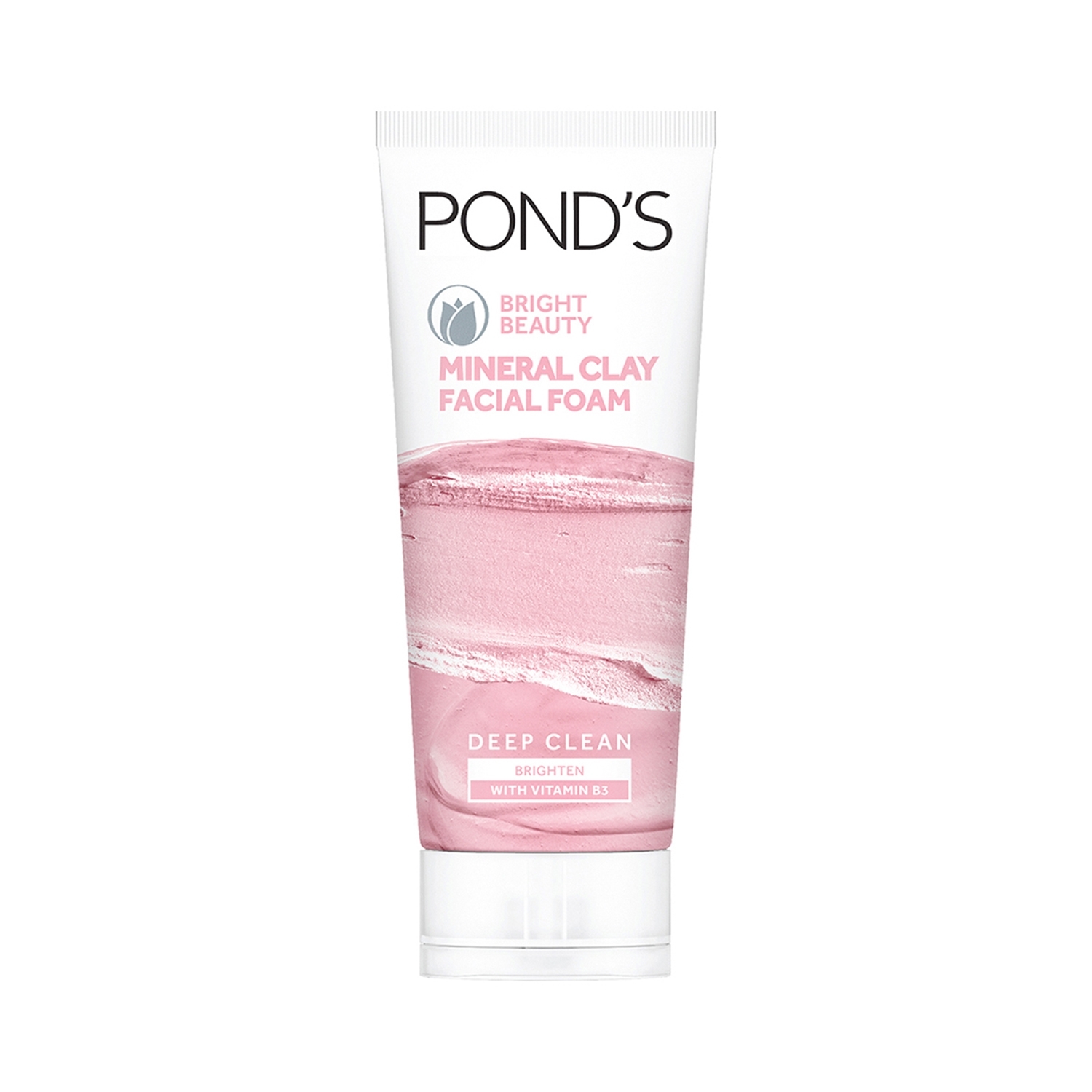
Pond's Bright beauty mineral cl…
|
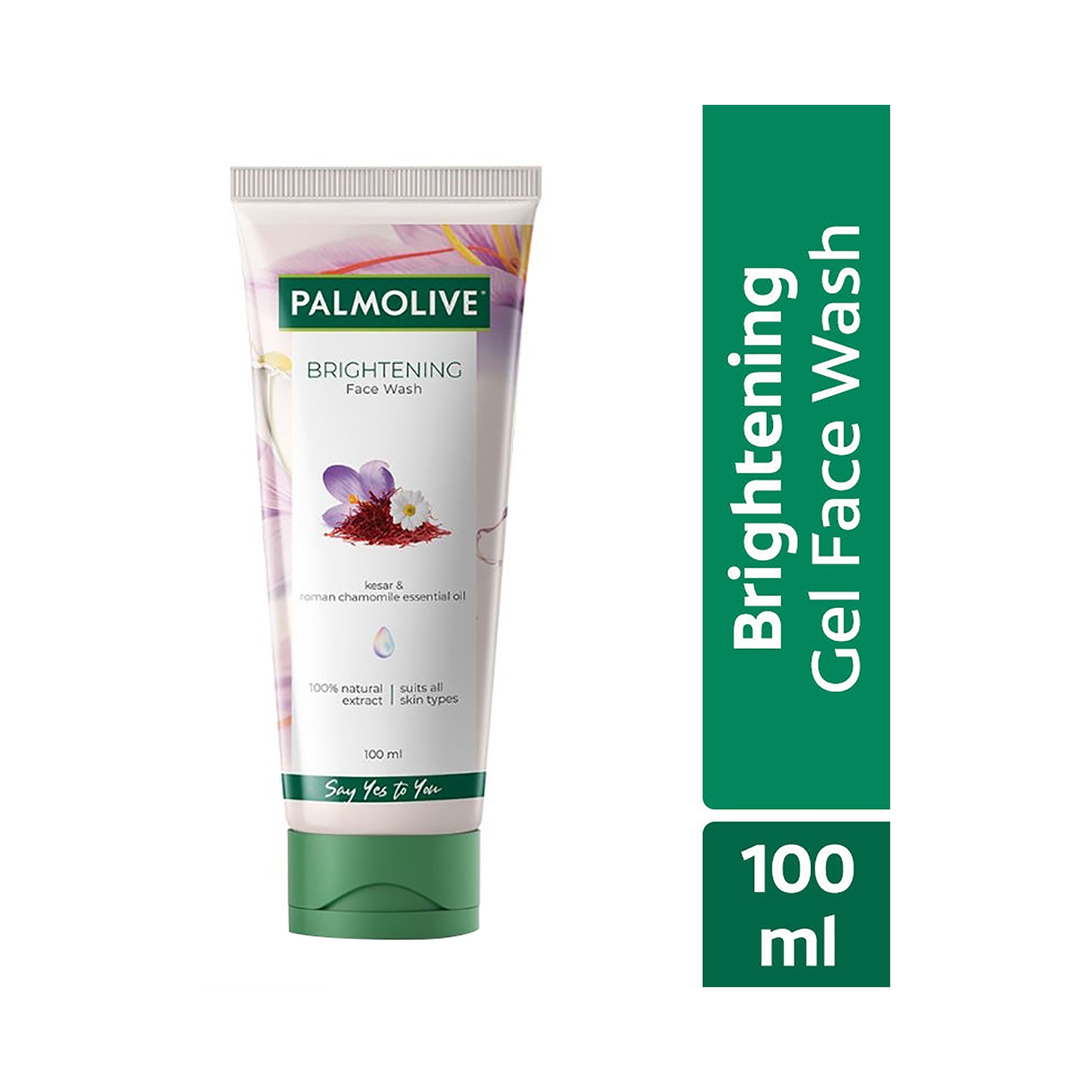
Palmolive Brightening gel face was…
|
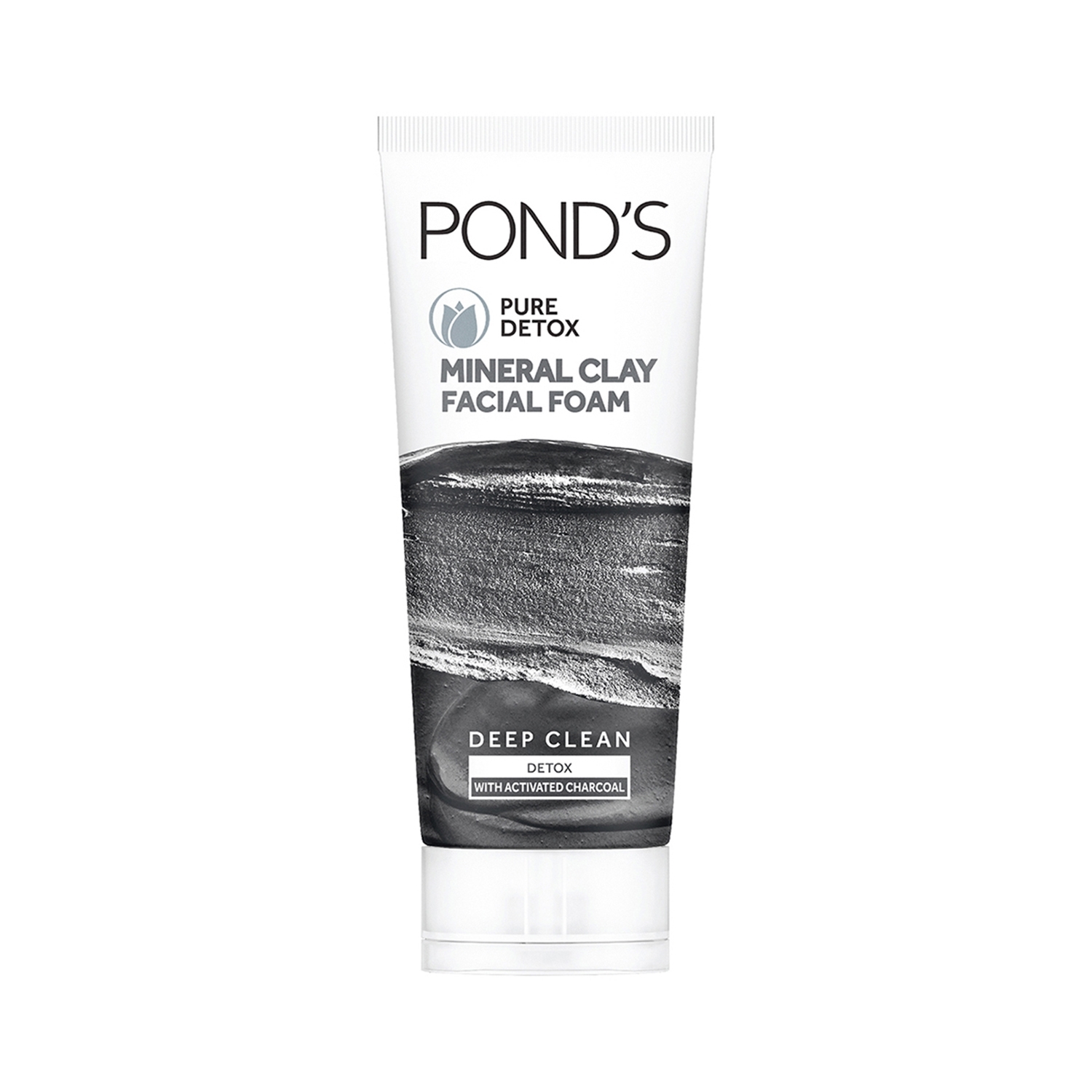
Pond's Pure detox mineral clay …
|
|
|---|---|---|---|---|---|
| Price | 230 | 599 | 250 | 299 | 250 |
| Ingredients Count | 30 | 27 | 22 | 21 | 37 |
| Skintype | Sensitive | Dry | All skin types | All skin types | All skin types |
| Formulation | Gel |
 skinethix
 skinethix
 skinethix
 skinethix